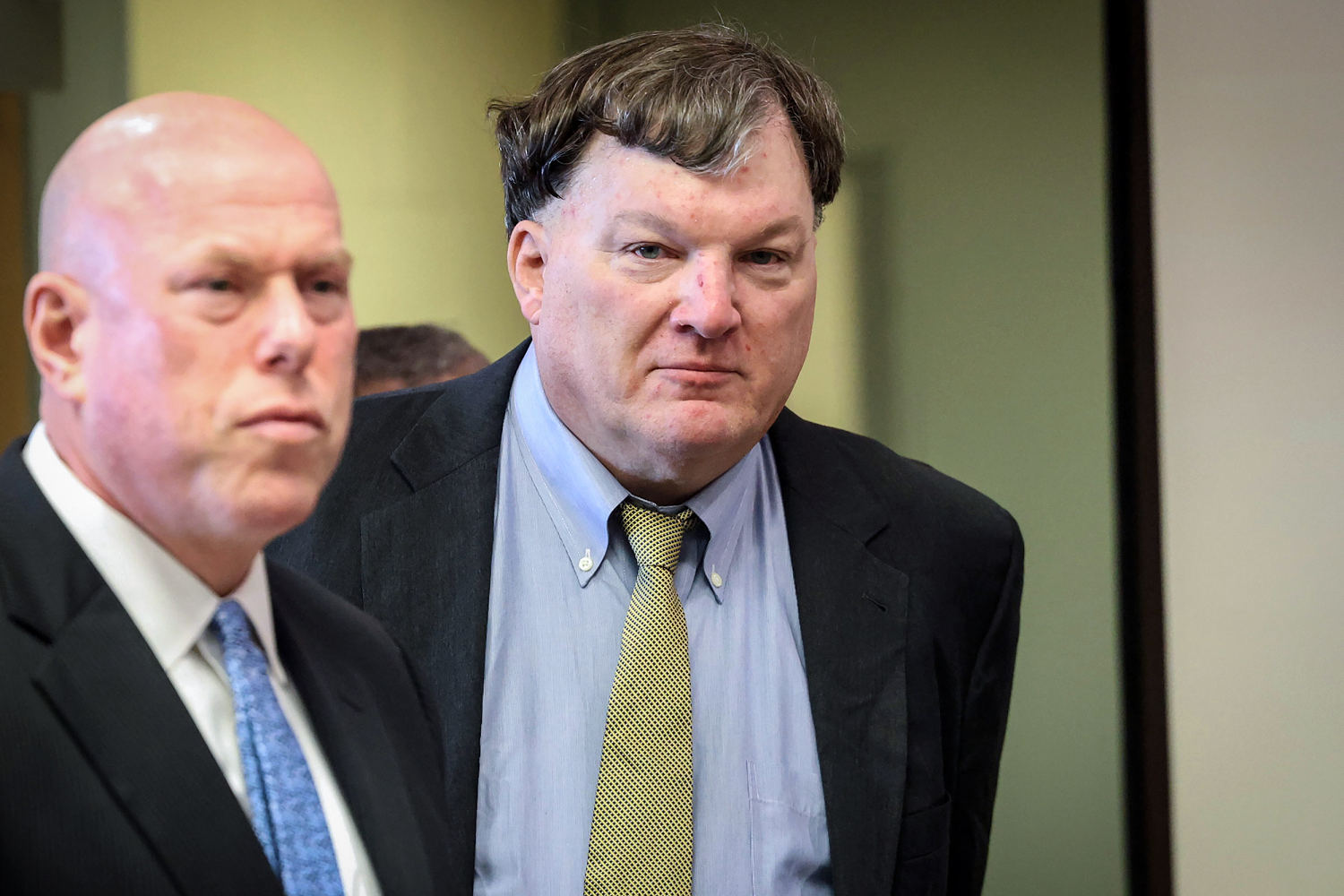
Rex Heuermann is heading back to court and it looks like the long, dark shadow over Long Island is finally starting to lift. For over a decade, the Gilgo Beach serial killings felt like an unsolvable riddle, a ghost story that haunted the South Shore. Families waited. Investigators hit walls. The public speculated. Now, the man accused of being the monster in the dunes is expected to enter a guilty plea, a move that would change everything about how this case ends.
Justice isn't always fast. It's often a slow, grinding process that leaves people feeling drained. If Heuermann pleads guilty, he isn't just admitting to crimes. He’s sparing the families of the victims from a grueling, years-long trial that would have picked apart the lives of their loved ones on a national stage. This isn't about a "legal win" for the prosecution. It’s about a definitive end to a nightmare that began back in 2010.
Why a Guilty Plea Matters More Than a Trial
Trials are messy. They're unpredictable. In a case as complex as the Gilgo Beach murders, a trial would involve thousands of pieces of evidence, from cell site data to DNA found on pizza crusts. There’s always a risk, however small, that a jury could get hung up on a technicality. By pleading guilty, Heuermann removes that uncertainty. He accepts his fate, likely life without the possibility of parole, and the state avoids a spectacle.
But there’s a human element here too. Think about the "Gilgo Four"—Melissa Barthelemy, Amber Lynn Costello, Megan Waterman, and Maureen Brainard-Barnes. Their families have lived through years of being told their cases were cold. Then came the arrest in July 2023. Then more charges. A trial would force these families to sit in a room and hear the most horrific details of how their daughters and sisters died. A plea deal can sometimes be a final act of mercy for the survivors, even if it comes from the man who caused the pain.
The Evidence That Likely Cracked the Case
You don't just wake up one day and decide to plead guilty to multiple murders unless the walls are closing in. The prosecution’s mountain of evidence against Heuermann is massive. It isn't just one "smoking gun." It’s a mosaic of modern forensic science that basically made his defense impossible.
The DNA evidence is probably the biggest factor. Investigators used mitochondrial DNA from hair found on the victims and matched it to Heuermann’s family. They even grabbed a discarded pizza box from a trash can in Manhattan to get his direct DNA profile. When you combine that with "burner phone" records that show his movements mirrored the victims' phones, the picture becomes pretty clear.
The search of his Massapequa Park home was another turning point. Police spent nearly two weeks digging through that house. They found a walk-in vault, hundreds of firearms, and evidence that suggested a preoccupation with violence. For a defense attorney, looking at that pile of evidence is like trying to plug a hundred holes in a dam with ten fingers. Eventually, you realize the dam is going to break.
Understanding the Gilgo Beach Timeline
The sheer scale of this investigation is hard to wrap your head around. It started with the disappearance of Shannan Gilbert. While searching for her, police found the remains of four other women wrapped in burlap. That was the moment the world realized a serial killer was operating right under their noses.
- May 2010: Shannan Gilbert disappears after a frantic 911 call.
- December 2010: Police find the "Gilgo Four" remains.
- 2011: Six more sets of remains are found along Ocean Parkway.
- July 2023: Rex Heuermann is arrested outside his office in Manhattan.
- 2024-2025: Additional charges are filed as investigators link Heuermann to more victims through new forensic testing.
This hasn't been a straight line. It’s been a series of stops and starts, changes in police leadership, and evolving technology. The fact that we're at a point where a plea is on the table is a testament to the task force that refused to let the case go cold again.
What This Means for the Unsolved Victims
One big question remains. Does a plea from Heuermann cover all the remains found at Gilgo Beach? We know there were more than just the "Gilgo Four." There’s "Peaches" and her toddler, the Asian Doe, and Jessica Taylor.
If Heuermann is pleading guilty, the public wants to know if he’s confessing to everything or just the specific cases he’s been charged with so far. A "global" plea deal—one that covers all suspected crimes in exchange for certain conditions—is common in serial killer cases. Think of Gary Ridgway, the Green River Killer. He confessed to dozens of murders to avoid the death penalty. New York doesn't have the death penalty, but a plea could involve Heuermann providing locations of other victims or details that finally close those open files.
This is where the real value of a plea lies. It’s not just about punishment. It’s about information. If he talks, more families get answers. That’s a trade most prosecutors are willing to make.
The Failure of Early Investigations
We shouldn't ignore the fact that it took over a decade to get here. Early on, the investigation was plagued by scandal and mismanagement. Former Suffolk County Police Chief James Burke was later sent to prison for unrelated crimes, and his refusal to work with the FBI during the height of the Gilgo search is a black mark on this case’s history.
How many more people could have been saved if the authorities had worked together from the start? It's a haunting question. Heuermann lived in that house for decades. He worked in the city. He was right there. The shift only happened when a new task force was formed with a fresh set of eyes and a willingness to use every tool available, from genetic genealogy to advanced digital forensics.
The Impact on the Massapequa Park Community
It’s easy to forget that while this is a national news story, it’s also a local one. The people living in Massapequa Park have had to deal with a "murder house" in their neighborhood for years. They’ve seen the media trucks, the forensic tents, and the tourists driving by to take photos.
A guilty plea brings a different kind of closure to the neighbors. It means the circus will eventually leave town. The house might be torn down or sold, but the stigma of living next to a suspected serial killer starts to fade once the legal process is over. The community can go back to being a quiet suburb, or at least as close to it as possible given the history.
What Happens in Court This Week
When Heuermann walks into that courtroom, the atmosphere will be heavy. You’ll see the families in the front rows. You’ll see a sea of reporters. The judge will ask Heuermann a series of questions to ensure he understands the rights he’s giving up.
He’ll have to state, in his own words, what he did. That "allocution" is often the most chilling part of a plea hearing. Hearing a person admit to the specifics of these crimes is a stark reminder of the reality behind the headlines. It moves the case from the realm of "alleged" to "admitted."
For anyone following this case, the next steps are clear. Watch for the specific language used in the plea. See if it includes additional victims. Pay attention to the victim impact statements—those are the moments where the survivors finally get to speak directly to the man who ruined their lives.
If you’re looking for a way to support the families or stay informed about the cold cases still linked to the area, follow the updates from the Suffolk County District Attorney’s office. They’ve been transparent throughout this new phase of the investigation. The end of the Heuermann chapter doesn't mean the work is over for the other unidentified victims. Every one of them deserves a name and a resolution. Stay focused on the facts and don't let the sensationalism of the "serial killer" narrative overshadow the people who were lost. They aren't just characters in a true crime story. They were daughters, mothers, and friends. That’s the most important thing to remember as this case finally hits its finish line.