Power has a distinct sound in Islamabad. It does not crash like thunder. It arrives in the low, ominous hum of tinted windows sliding open, the crunch of gravel beneath heavy boots, and the quiet rustle of paper inside marble-lined halls where destinies are weighed by the gram.
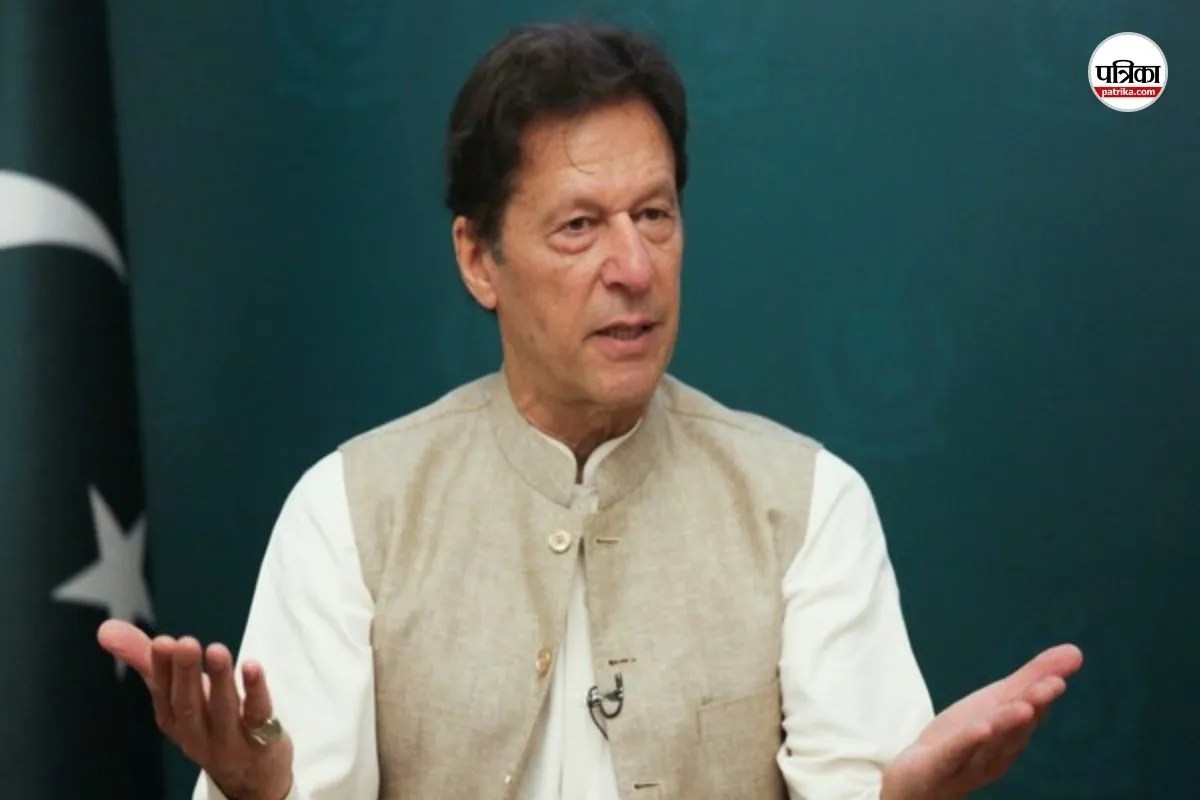
For months, the political atmosphere has felt like a room slowly running out of air. At the center of this vacuum stands Imran Khan. Once accustomed to roaring stadiums filled with screaming youth, his universe has shrunk to the four concrete walls of a high-security cell, measured out in the ticking of a clock and the heavy silence of isolation. Yet, physical confinement has done little to blunt the friction he generates. If anything, the distance between him and the machinery of the state has only intensified the pressure, turning every legal motion into a seismic event.
Consider the recent maneuvering over healthcare. To an outside observer watching from thousands of miles away, a bureaucratic filing regarding a private hospital sounds like standard administrative friction. A petition here, a motion there. Dust kicked up by lawyers in tailored suits. But look closer. Strip away the dry legalese and the sterile language of judicial briefs, and you find a battle over something far more fragile and volatile: human vulnerability.
The Pakistani government is preparing to knock on the doors of the Supreme Court once again. Their target is a review petition challenging previous judicial leniency or medical placement decisions regarding the former prime minister's treatment in private facilities. It is a calculated move, executed with the cold precision of institutional survival. To the administration, every concession is a crack in the dam. To Khan’s supporters, it looks like an unyielding vendetta, an attempt to police even the physical frailty of a fallen rival.
Walking through the streets of Rawalpindi on a humid afternoon, you can feel this tension hum in the air like an overloaded wire. Tea stalls turn into makeshift parliaments. Men twice my age lean over chipped porcelain cups, arguing about medical reports, jurisdiction, and conspiracy with the intensity of constitutional scholars. They are not merely discussing a hospital visit or a legal technicality. They are debating whether the rules of the game apply equally to everyone, or if power is just a revolving door where the lock changes depending on who holds the key.
I remember standing outside a courthouse years ago during another political crisis, watching the sea of riot police shield their faces behind polycarbonate visors. The heat radiating off the asphalt was suffocating. You could smell ozone, cheap diesel, and fear. That is the texture of politics here. It is visceral. It clings to your skin. When the state files a review petition against a high-profile prisoner seeking medical care outside state-run enclosures, it is not just about hospital beds or clinical hygiene. It is about optics. It is about who commands the narrative of suffering.
Power hates a martyr, but it also fears a convalescent.
When a leader known for physical magnetism and unyielding defiance is reduced to discussing blood pressure readings and medical checkups, the political dynamic shifts onto unpredictable terrain. Every legal challenge filed by the government carries a hidden risk. Push too hard, and you turn a political opponent into an enduring symbol of persecution. Show too much leniency, and you project weakness to an electorate that respects absolute dominance.
The Supreme Court now sits at the fulcrum of this delicate balance. The justices do not just review statutes; they act as tightrope walkers balancing above a roaring crowd. When the state brings its review petition forward, the court must weigh cold jurisprudence against the fiery temperature of the streets. A courtroom is supposed to be a sanctuary from the noise of public opinion, but in times like these, the windows are paper-thin. You can hear the chanting outside. You can feel the weight of millions of pairs of eyes watching every stroke of the judicial pen.
This is the hidden cost of prolonged political stalemate. While legal teams burn midnight oil drafting petitions and counter-affidavits, the fundamental machinery of daily life stutters. Ordinary citizens trying to put food on the table watch these high-stakes games with a weary cynicism. They have seen this movie before. Different actors, different charges, same relentless script. The institutions of the state become consumed by a single adversary, turning governance into a perpetual motion machine of friction and retaliation.
Behind the closed doors of the hospital rooms and the mahogany chambers of the court, time moves differently. For the state, delay is a weapon. For the prisoner, endurance is a strategy. And for the millions caught in the gravitational pull of this rivalry, hope and exhaustion trade places with every sunrise.
The petition will be heard. The arguments will be made. The judges will deliberate under the crushing weight of history. But long after the ink dries on the final ruling, the glass corridor of power will remain unchanged, echoing with the footsteps of those who enter as rulers and leave as warnings, forever bound to a system that consumes its own children.