The coffee goes cold before the cup even reaches the desk.
In the center of Kyiv, inside a concrete labyrinth that maps out the security architecture of a nation under siege, time does not move in minutes. It moves in pressure drops. A sudden shift in the hum of the air filtration. A low, subterranean vibration felt through the soles of heavy boots long before the warning application pings on a phone screen.
Minutes before the impacts registered across the city blocks, intelligence analysts were staring at screens tracking diplomatic flights crossing the Atlantic. High-stakes negotiations in Washington were moving into another phase. Words were being exchanged on secure lines. Formulas for peace, or pauses, or pressure were being weighed by men sitting thousands of miles away on plush carpets, protected by distance and protocol.
Then came the sky.
Sirens are strange things. When you first hear them, they tear through your chest, demanding absolute terror. After months, they become a texture. They are the gray weather of an occupied life. People keep walking. A dog sniffs a lamppost. A barista wipes down a stainless steel counter, hands steady, eyes deadened by repetition. But the security service headquarters is different. It is a target carved in stone and glass, a symbol of state defense that looms large over the urban grid.
When the drones arrive, they do not knock.
They buzz like angry hornets, a mechanical whine powered by small combustion engines that carries across the rooftops before the payload finds its destination. These are not abstract statistics from a morning briefing. These are flying cylinders of high explosive, guided by crude coordinates and stubborn malice, aimed straight at the heart of domestic intelligence.
Consider what happens next in the control room.
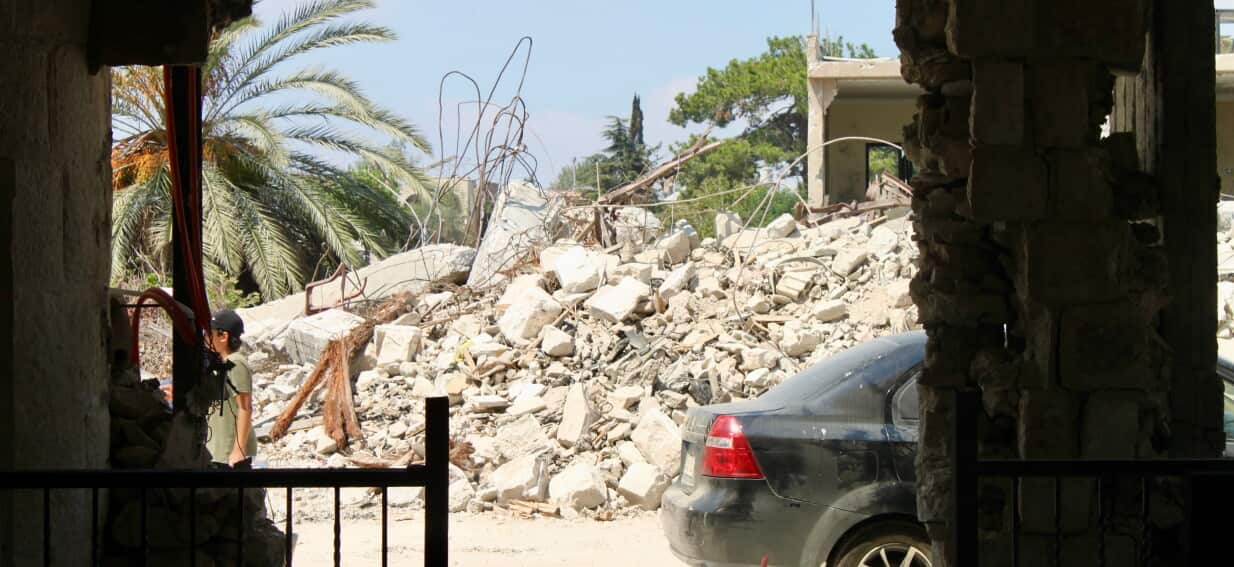
The lights flicker as the backup generators kick in with a heavy, rhythmic thud. Plaster dust drifts down from the ceiling like gray snow, settling on keyboards, monitors, and the shoulders of analysts who had not slept since the previous night's alert. No one screams. Panic is a luxury for the unprepared, and in this building, everyone stopped believing in luxuries long ago. They coordinate. They reroute data. They ensure the continuity of a state that refuses to dissolve, even as the walls around them groan under the kinetic impact of modern war.
Out on the street, the smoke rises in a thick, greasy column that blots out the afternoon sun. It is a familiar silhouette now, black against the pale autumn sky.
And this is where the geometry of the conflict becomes agonizingly clear. On one side of the world, statesmen gather in wood-paneled rooms to discuss terms, exit ramps, and the delicate architecture of global security. They speak of escalation management. They use phrases like diplomatic momentum and strategic signaling. They measure progress in press releases and joint communiqués.
On this side of the world, progress is measured in millimeters of reinforced concrete and the silence that follows the detonation.
It is easy to view war through a telescope. It looks clean from a distance. Maps shift colors on television screens. Arrows sweep across borders. Analysts point laser pointers at satellite imagery, debating the tactical value of a strike against a command node. But war is profoundly intimate. It smells of cordite, burning plastic, and stale sweat. It sounds like the sudden, deafening crack of interceptor fire followed by the dull thud of a direct hit.
In a residential neighborhood three blocks away from the blast, an elderly woman sweeps shattered glass from her balcony. She does not look up at the smoke. Her rhythm is metronomic. Sweep, gather, drop into a bucket. Her apartment has no windows left, only jagged frames covered in blue plastic sheeting that flaps wildly in the autumn draft. She has lived through eras she never asked to witness, governed by histories written by men who never knew her name.
The political talks in Washington will continue. Delegations will shake hands for the cameras, adjusting their ties, offering carefully calibrated statements about resolve and partnership. The diplomatic machinery grinds forward, slow and heavy, bound by the inertia of international law and competing national interests.
Yet, down here, the reality is starkly unpolished.
Every drone that impacts a government building in the capital is a message written in fire and steel, sent directly to those conference tables thousands of miles away. It says that no matter what is agreed upon in the abstract, the ground truth is forged in blood and masonry. It reminds every person standing in the dust of a ruined courtyard that survival is an active, daily defiance.
The smoke begins to thin, drifting lazily over the golden domes of the ancient city, dissolving into the vast, indifferent sky. Inside the damaged headquarters, the servers are humming again. The coffee is still cold. The analysts are back at their screens, watching the horizon, waiting for the next shift in the wind.