Western aviation is playing a dangerous game of chicken with reality, and the British traveler is the one losing the bet. While headlines obsess over the "chaos" of flight cancellations, they miss the structural rot beneath the surface. British Airways and Virgin Atlantic aren't just suspending flights to Dubai until June; they are effectively surrendering the most lucrative air corridor on the planet.
For decades, the London-to-Dubai route was the crown jewel of long-haul profit. Now, it is a graveyard of "safety assessments" and "operational caution."
On March 17, 2026, British Airways extended its total blackout of Dubai International (DXB) until May 31. Virgin Atlantic didn't even wait for the spring thaw, axing its seasonal service weeks early after a humiliating 16-hour "flight to nowhere" that ended back at Heathrow. The excuse? Geopolitical instability. The reality? A total failure of nerve that is handing the future of global transit to the Gulf carriers on a silver platter.
The Myth of the "Unflyable" Sky
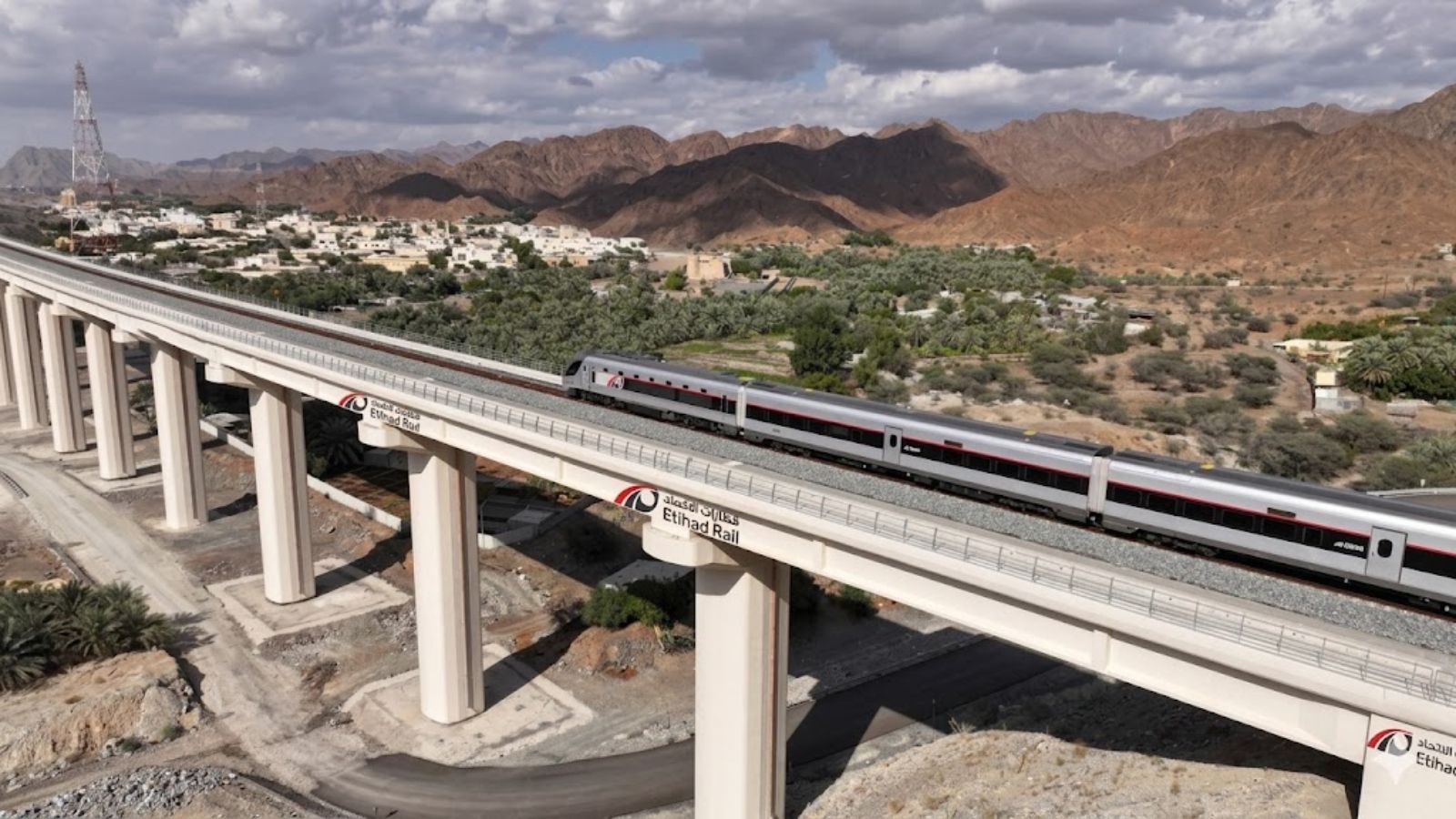
The lazy consensus suggests that Dubai has become a no-fly zone. This is demonstrably false. While the UK Foreign Office (FCDO) clings to its "all but essential travel" advisory, Emirates and Qatar Airways are currently running a masterclass in crisis management. On March 15 alone, Etihad operated over 100 flights.
The Western carriers claim the risk from regional debris and "airspace instability" is too high. Yet, they continue to fly to Singapore and Bangkok—routes that require the same complex navigational gymnastics to avoid hot zones. I’ve seen airlines blow millions on hedging fuel prices while ignoring the far greater cost of brand irrelevance. By pulling out, BA and Virgin aren't protecting passengers; they are admitting they lack the sophisticated real-time risk intelligence required to operate in a modern, multipolar world.
If Emirates can land an A380 in Dubai while British Airways is still "reviewing the situation" from a boardroom in Waterside, the problem isn't the missiles. The problem is the math.
The Logistics of Cowardice
Let’s look at the mechanics of these cancellations. BA has shuttered Dubai, Bahrain, and Amman until June. Abu Dhabi is gone until late 2026. This isn't a temporary hiccup; it’s a strategic retreat.
- Insurance Premiums: Lloyd’s of London underwriters have doubled war-risk premiums for Gulf-bound hulls in a single week.
- Fuel Burn: Avoiding Iranian and Iraqi FIRs adds 70 to 90 minutes to a flight.
- The Yield Gap: When your operating costs spike and your premium cabin demand wavers because of a travel advisory, the "precautionary" cancellation becomes a convenient way to stop bleeding cash.
The "safety first" mantra is a corporate shield for "profitability first." British carriers are terrified of the liability, yes, but they are more terrified of the operating margins. Meanwhile, the Gulf "Big Three" view these disruptions as an acquisition cost for global market share. Every time a Brit is rebooked from a cancelled BA flight onto an Emirates service, they experience a product that makes the "Flag Carrier" look like a budget bus.
The Muscat Trap and the Relief Flight Farce
The FCDO is currently patting itself on the back for "relief flights" out of Muscat. It’s a logistical joke. Around 100,000 British nationals have reportedly left the region, many of them forced to make the overland trek to Oman just to find a seat.
Imagine a scenario where a Tier-1 global power cannot maintain a single reliable air link to the world's busiest international hub. We are living it. Relying on Muscat as a "gateway" is a tacit admission that the UK’s aviation strategy is stuck in the 1970s. We are witnessing the "de-hubbing" of London in real-time. If you cannot fly to the center of the world, you are no longer a global airline. You are a regional carrier with a legacy tail fin.
The Real Risk Nobody Is Talking About
The danger isn't just a missed holiday or a stranded business team. It is the legal and professional void created by the Level 4 "Do Not Travel" notice.
Most corporate travel insurance policies are now void for the UAE. I’ve seen executives forced to sign personal liability waivers just to attend board meetings in Dubai Internet City. The FCDO’s refusal to downgrade the risk—despite Dubai’s air defense systems successfully intercepting every threat with zero reported injuries—is a political move, not a safety one.
By maintaining the "essential travel" only status, the UK government is effectively helping the airlines avoid the massive compensation claims that would arise if they cancelled flights without a "government advice" cover story. It is a symbiotic relationship of mediocrity.
Stop Asking if it’s Safe
The question isn't whether it’s safe to fly to Dubai. The question is why you are still trying to do it on a British airline.
If you are a high-net-worth individual or a corporate traveler with a schedule that doesn't care about "extensive safety assessments," you should have ditched the UK carriers weeks ago. The Gulf airlines aren't just "staying the course"; they are evolving. They are using this crisis to cement Dubai as the only indispensable node in the eastern hemisphere.
British Airways is busy "monitoring the situation" while announcing a new route to Melbourne... starting in 2027. They are selling you a future that doesn't exist because they can't handle the present.
If you need to be in the UAE, fly the airlines that actually live there. They have more skin in the game, better intelligence on the ground, and a fleet that doesn't turn around and go home because the insurance paperwork got complicated. The era of the British "Flag Carrier" in the Middle East is over. It didn't end with a bang; it ended with a 16-hour flight to nowhere and a refund link.
Book the Emirates A380. At least they’ll actually take off.