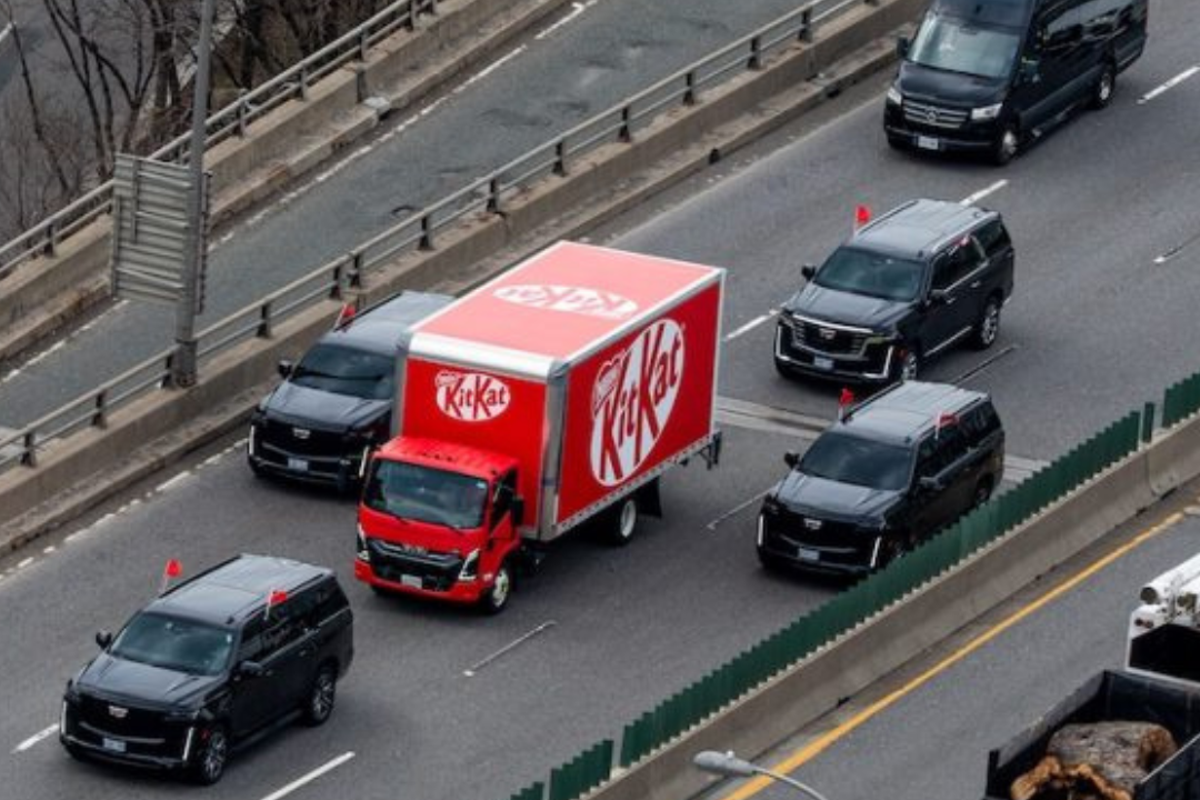
Thieves just walked away with 12 tonnes of KitKats and the world is finally realizing that chocolate is the new digital gold. You probably think of a candy heist as something out of a cartoon. It's not. This was a professional hit on a logistics chain that failed to see the target on its back.
When a truck carrying roughly $100,000 worth of chocolate bars vanished in Germany, it didn't just cause a sugar shortage. It triggered a massive shift in how Nestlé and its partners handle transport. Now, if you're driving on the Autobahn, you might see a plain white truck flanked by a security convoy. That isn't carrying diamonds or state secrets. It’s carrying your afternoon snack.
The sheer scale of this theft is hard to wrap your head around. We're talking about 12,000 kilograms of product. That’s about the weight of two large African elephants, all in crispy wafers and milk chocolate. This wasn't a crime of passion. It was a calculated strike on a high-value, easily liquid asset.
The Logistics of a Chocolate Convoy
Security teams aren't usually in the business of guarding candy. But when 12 tonnes of product go missing, the math changes instantly. The cost of hiring an armed or specialized escort is suddenly lower than the risk of losing another shipment.
These convoys aren't just for show. They use a method called "active monitoring." The lead vehicle scouts for irregularities or suspicious cars trailing the load. The rear vehicle ensures no one tries to force the truck off the road at a rest stop. Most of these thefts happen when drivers are sleeping. A quick snip of a curtain-side trailer, a forklift appearing out of nowhere, and the cargo is gone in twenty minutes.
I’ve seen how cargo theft rings operate. They don't want electronics that have trackable serial numbers. They want "ghost goods." Chocolate is perfect. It has no GPS. It has no unique ID once the pallet wrap is off. You can sell it at flea markets, independent convenience stores, or online marketplaces within forty-eight hours. By the time the police find the empty trailer in a ditch, the KitKats are already being eaten.
Why High Value Cargo Theft is Exploding
Cargo crime is up across Europe and North America. It’s a low-risk, high-reward game for organized crime. If you rob a bank, you’re facing twenty years. If you steal a truck full of chocolate, you’re looking at a fraction of that time, and the evidence literally disappears into people's stomachs.
Insurance premiums for freight companies are skyrocketing. This is why the security convoy exists. It's an insurance requirement. Many providers won't even cover the shipment of "attractive" goods—things like chocolate, alcohol, and tobacco—unless there's a verified security plan in place.
The 12-tonne KitKat theft wasn't an isolated incident. It was the breaking point for a supply chain that had grown too relaxed. Thieves are getting smarter. They use "spoofing" to pose as legitimate freight brokers, pick up the load from the factory, and then simply never deliver it. The industry calls this "fictitious pickup." By the time the warehouse realizes the truck is late, the thieves have a six-hour head start.
The Black Market for Confectionery
You might wonder who buys stolen chocolate. The answer is basically anyone who isn't asking questions. Small-scale retailers are often looking to pad their margins. If a guy shows up with ten pallets of KitKats at 40% off the wholesale price, some store owners will take that deal. They tell themselves it’s just "excess stock" or "liquidated goods."
It’s a global problem. According to TAPA (Transported Asset Protection Association), food and beverage thefts now rival electronics in some regions. The volatility of cocoa prices makes this even worse. As the raw cost of chocolate goes up, the street value of a stolen pallet rises with it.
What This Means for Your Grocery Bill
You pay for that security convoy. Every time a brand has to hire private guards or use armored logistics, that cost gets baked into the price of the bar. You aren't just paying for cocoa and sugar. You're paying for the "theft tax."
If companies don't secure these shipments, the losses become unsustainable. Nestlé isn't the only one. Any major manufacturer moving "fast-moving consumer goods" is currently re-evaluating their transit protocols. We’re moving toward a world where the most mundane items are treated like precious metals.
Stopping the Next Great Candy Heist
Companies have to stop relying on luck. The 12-tonne heist happened because there was a hole in the system. To prevent this, logistics managers are now implementing "no-stop" zones. Drivers are instructed to fuel up before they pick up the load and not stop for the first 200 miles. That’s the most dangerous window.
We're also seeing an increase in "smart" trailers. These have sensors that alert a central hub the moment a door is opened outside of a geofenced delivery zone. But even technology has its limits. A determined thief with a signal jammer can neutralize most GPS trackers in seconds. That’s why the human element—the convoy—is back in style.
If you're in the transport business, stop treating food like a low-risk haul. It's not. It's a prime target for crews that know exactly how to flip it for cash. Verify your drivers. Audit your sub-contractors. If the load is worth more than the truck, it needs a shadow.
The next time you see a nondescript van following a big rig, don't assume it's just traffic. It might be the only thing standing between a thief and 12 tonnes of chocolate. The stakes are higher than they look, and the criminals are already planning their next move.