The Strategy of Attrition Above Kyiv
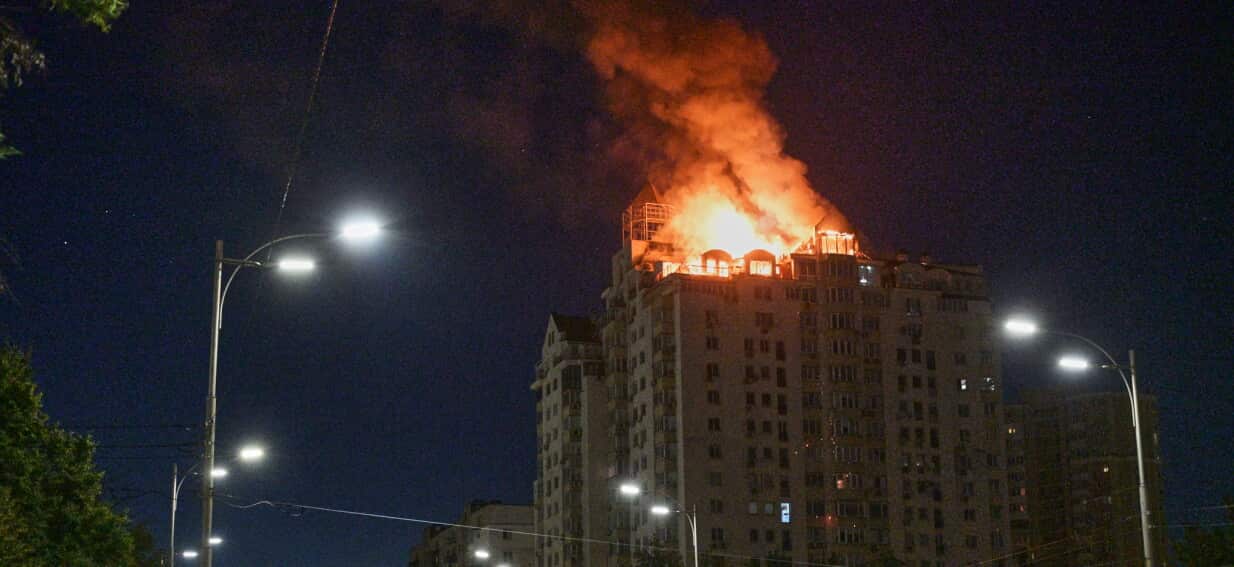
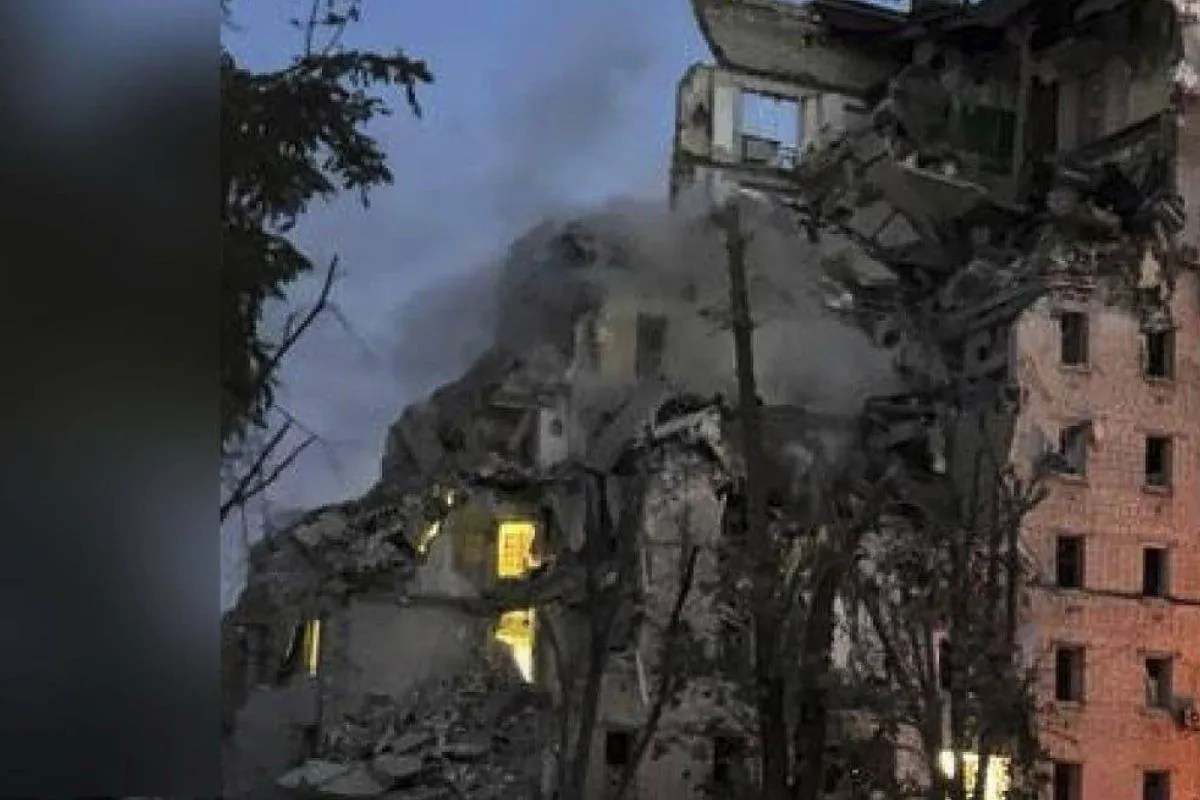
Russia launched a massive wave of combined missile and drone strikes targeting Ukraine’s capital, leaving eight civilians dead, twelve wounded, and multiple residential buildings engulfed in flames. This latest bombardment underlines a shift in Moscow’s winter strategy. Instead of focusing solely on the energy grid, current strikes deliberately strain urban air defense networks while terrorizing civilian populations to break collective resolve. It is a calculated gamble on attrition.
The Western narrative frequently treats these air raids as isolated acts of desperation. They are not. They represent a methodical, industrial-scale effort to deplete Ukraine’s finite stockpile of Western-supplied air defense interceptors, such as those used by the Patriot, NASAMS, and IRIS-T systems. Every low-cost, Iranian-designed Shahed drone or repurposed cruise missile intercepted by a million-dollar missile brings Ukraine closer to a critical vulnerability window. In related developments, read about: The Hunger Strike at 10 Downing Street and the Geopolitics of Balochistan.
The Mechanics of a Combined Strike
To understand why these attacks penetrate deep into the heart of Europe's most heavily defended city, one must look at the tactical orchestration of the strikes. Russia no longer relies on a single vector of attack.
Saturation Tactics
The assault begins with waves of slow-moving, low-altitude loitering munitions. These drones do not fly in straight lines; they utilize pre-programmed, winding routes that exploit terrain blind spots, forcing air defense radars to stay active and expose their locations. As Ukrainian mobile fire teams and automated systems engage these targets, the second wave arrives. BBC News has analyzed this critical subject in great detail.
The Hypersonic Hammer
Once the defense network is saturated and tracked, Moscow deploys high-speed ballistic and hypersonic missiles, including the Iskander-M and Kinzhal. These weapons travel at speeds that leave Ukrainian commanders with mere minutes to react.
- Phase 1: Initial drone saturation to drain automated ammunition reserves.
- Phase 2: Electronic warfare jamming to blind local radar arrays.
- Phase 3: Ballistic missile strikes targeting command nodes and residential density areas to maximize chaos.
This multi-tiered approach explains why residential blocks bear the brunt of the devastation. Even when interceptions are successful, the kinetic energy of a destroyed missile means tons of burning debris and unexploded warheads rain down on densely populated neighborhoods, turning apartment complexes into towering infernos.
The Western Supply Bottleneck
Ukraine’s ability to withstand this relentless aerial assault hinges entirely on foreign logistics, a dependency that is becoming increasingly precarious. The current rate of Russian missile production has outpaced pre-war expectations despite heavy international sanctions. Microchips and dual-use components continue to flow into Russian factories through complex third-party supply chains in Asia and the Middle East.
Meanwhile, Western defense production lines are struggling to match the consumption rate of interceptor missiles. A factory in Europe or the United States takes months to produce a handful of advanced air defense missiles. Ukraine can expend that exact amount in a single night of intense bombardment.
This creates a brutal mathematical certainty. If the current volume of strikes continues without a massive, sustained increase in Western industrial output, Kyiv will face agonizing choices about what to protect. Do commanders safeguard vital infrastructure, frontline military units, or the millions of civilians sleeping in urban centers?
Shifting Focus to the Senders
Stopping the tragedy in Kyiv requires shifting the strategic focus from defense to disruption. Military analysts have long argued that relying solely on shooting down incoming threats is a losing strategy over a long timeline. Ukraine requires the capability to strike the launch platforms—the strategic bombers, the naval vessels in the Black Sea, and the mobile missile launchers stationed deep inside Russian territory—before the weapons ever leave the ground.
This demands not just the provision of long-range weapons, but the complete removal of political restrictions on their use. Until the launch sites face immediate, reciprocal danger, the skies over Ukraine will remain a testing ground for coordinated destruction, and the civilian toll will continue to climb. The fire in Kyiv's residential sectors is a direct consequence of a wider war of endurance, one where the side that manufactures faster wins.