The air tasted like dust and cold iron.
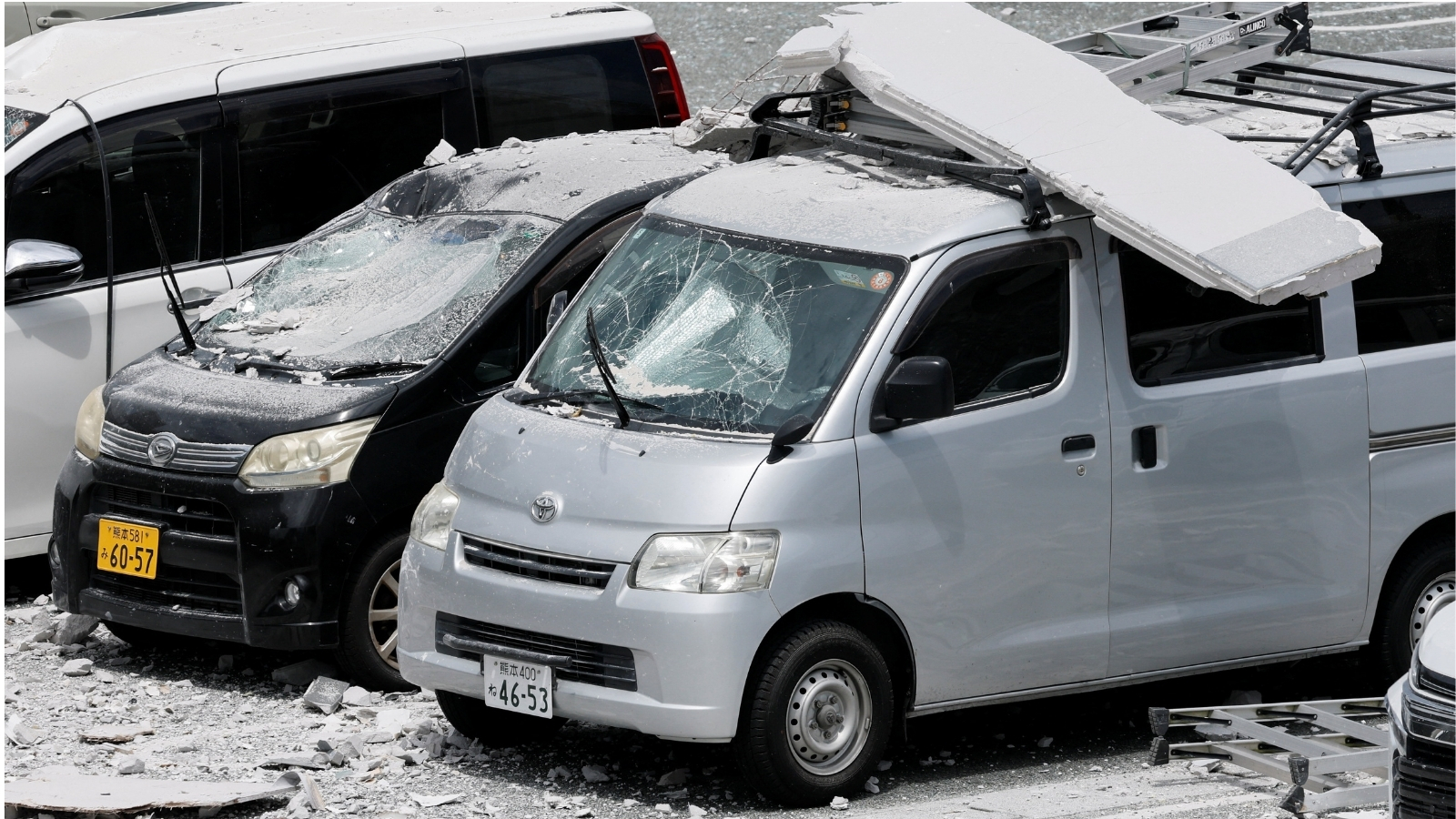
For the people of Ishikawa, the first shock arrived not as a sound, but as a violent heave beneath the floorboards. It was New Year’s Day. Families gathered around low tables, bowls of hot noodles waiting, laughter hanging in the quiet rooms of the Noto Peninsula. Then the earth tore. Walls buckled. Roof tiles rained down like gray hail.
People did what generations of training taught them to do. They ran. They grabbed children, pulled coats over shoulders, and scrambled into open streets, gasping for breath as the pavement rolled like waves on a stormy sea. They survived the primary blow. They dodged the falling timber. They reached safety.
Or so they thought.
Consider what happens next when a catastrophe refuses to finish its work in a single act.
Minutes after the tremors subsided, a secondary monster awoke. In the coastal city of Wajima, an ordinary shopping mall—a place of warmth, bright lights, and everyday errands—became the epicenter of a different kind of terror. A massive fire erupted from within the commercial complex, fed by ruptured gas lines and fueled by the very materials meant to make modern life convenient.
Black smoke choked the winter sky, blotting out the pale sun. Survivors who had just outrun a tectonic rupture now found themselves trapped by a wall of flames. The irony was brutal. The earth spared them, only for the infrastructure to turn against them.
The Physics of Secondary Disasters
To understand why a shopping center explodes after an earthquake, we have to look beneath the surface of our cities. Natural disasters rarely arrive as solo acts. They trigger domino effects.
Think of a dense urban area as a living, breathing mechanical watch. Every gear depends on the next. When a 7.5-magnitude earthquake strikes, it doesn't just shake concrete; it snaps invisible veins of gas, severs electrical grids, and twists water mains.
When the shaking stops, the danger shifts from the geology to the chemistry.
Natural gas lines, buried safely out of sight under normal conditions, shear apart like dry twigs when the earth shifts. Escaping gas pools in enclosed spaces—basements, utility corridors, and the cavernous interiors of commercial malls. All it takes is a single electrical spark from a failing battery backup or a cooling system attempting to reset.
Boom.
The resulting explosion transforms a retail hub into an oven. For the evacuees huddled outside, the psychological toll is immeasurable. Safety is no longer a physical location. It is a receding horizon.
Walking Through the Ash
Imagine standing in the square outside that Wajima mall. The ground is still trembling with aftershocks—small, sickening rolls that keep everyone’s stomach in their throat.
The cold wind carries the smell of burning plastic and scorched timber. Sirens wail, but emergency vehicles struggle to navigate streets choked with fallen masonry and gaping fissures. People are shivering, wrapped in emergency silver foil blankets handed out by local authorities. They are alive, but they are looking back at the smoking ruins of a building where, moments before, shoppers were browsing holiday sales.
This is the hidden cost of modern density. We build wonderful, efficient spaces for commerce and community. We install sprawling malls, underground parking garages, and centralized utility systems. Yet, those very conveniences carry high-stakes vulnerabilities when nature decides to rewrite the rules.
Emergency responders face an impossible math problem. How do you fight a massive structural fire when the water pipes leading to the hydrants have snapped?
In Wajima, firefighters fought the blaze with limited resources, watching helplessly as the flames consumed blocks of historic wooden markets alongside modern commercial properties. The fire didn't care about architectural styles or economic value. It simply consumed everything left standing.
The Resilience Beneath the Rubble
Human beings possess an astonishing capacity to adapt when the world breaks.
In the days following the disaster, temporary evacuation centers filled up fast. School gymnasiums turned into makeshift villages. Elderly residents, who remembered previous tremors decades ago, shared blankets with young children experiencing their first major earthquake.
There were no grand speeches. There was only quiet endurance. Neighbors checked on neighbors. Volunteers waded through blocked mountain passes to deliver bottled water and medicine.
We learn through these tragedies that preparation is not about preventing the unpreventable. The earth will shake. Gas lines will rupture. Buildings will fail. True resilience lies in the seconds after the dust settles, in the decision to turn toward the smoke rather than away from it, and in the stubborn refusal to let a catastrophe have the final word.
The sun dips below the jagged horizon of the Noto Peninsula, casting long, bruised shadows across the broken pavement. The fires in Wajima eventually burn themselves out, leaving behind skeletal steel beams and mounds of ash. But beneath the cold winter stars, the people of the coast begin the slow, arduous work of rebuilding what was lost, one stone at a time.