A drone just slammed into a desalination plant in Bahrain. This isn't just another headline about a regional skirmish; it’s a terrifying pivot in a war that’s now coming for the one thing nobody in the desert can live without. Water. While the world watches oil prices, the real survival of the Persian Gulf is tied to the massive, vulnerable machines that turn salt water into something you can drink.
Sunday’s strike on a Bahraini desalination facility marks a dark "first" in this nine-day-old conflict. Bahrain’s Interior Ministry didn't mince words, accusing Iran of "indiscriminately" attacking civilian targets. It's the first time a Gulf nation has reported a direct hit on water infrastructure since the US and Israel launched strikes on Tehran on February 28, 2026. If you think this is a random accident, you're not paying attention.
Why Water is the New Front Line
The Gulf states are some of the most water-stressed places on the planet. Bahrain, Kuwait, and the UAE basically don't have natural aquifers. They rely on desalination for nearly 100% of their drinking water. These plants aren't just utilities; they’re life-support systems.
Iran isn't hitting these sites for fun. It's a calculated move to force the hands of Gulf neighbors who host US military assets, like the US Navy’s Fifth Fleet in Bahrain. By targeting the water supply, Tehran is telling its neighbors that their alliance with Washington has a very thirsty price tag.
- The Qeshm Precedent: Iran’s Foreign Minister, Abbas Araghchi, claimed on Saturday that a US strike hit an Iranian desalination plant on Qeshm Island, cutting off water to 30 villages.
- The Retaliation: Tehran says the US set the "precedent." The strike in Bahrain is the "eye for an eye" response.
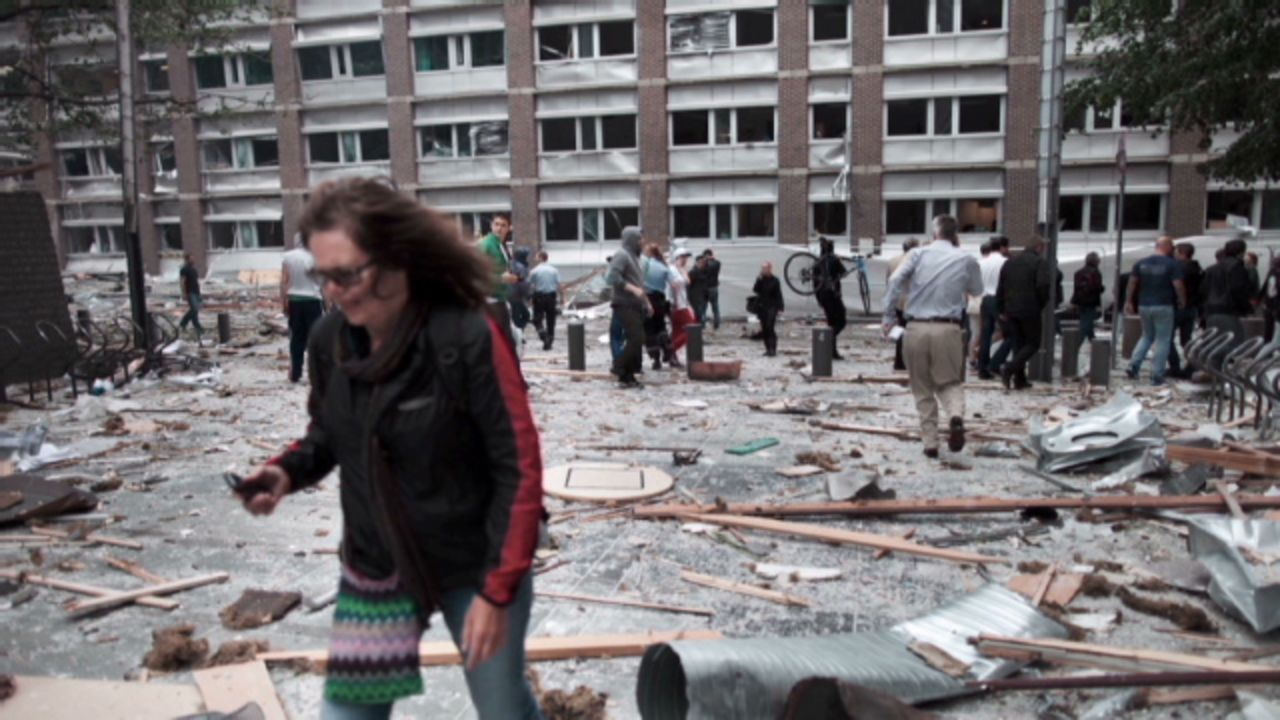
- The Collateral: In addition to the plant damage, missile debris in Bahrain’s Muharraq area injured three people and smashed into a university building.
The Fragility of a Thirsty Region
You have to understand how these plants work to see why this is so dangerous. Most desalination facilities are "co-generation" plants. They produce electricity and water at the same time. If you hit the power side, the water stops. If you hit the intake pipes, the water stops.
There are over 5,000 desalination plants across the Middle East. They are massive, fixed targets. You can't hide them, and you can't easily fix them in the middle of a war zone. If a major facility like Jebel Ali in Dubai or the plants in Manama go offline for more than a few days, you aren't looking at a "disruption." You're looking at a humanitarian catastrophe.
Mixed Signals and Hard-line Reality
Iranian President Masoud Pezeshkian tried to play the "good neighbor" on Saturday, offering an apology for regional concerns and suggesting a halt to strikes on neighbors. Don't buy it. Within hours, he backtracked, and hard-liners in Tehran’s leadership council made it clear that the strategy hasn't changed.
Judiciary chief Gholam Hossein Mohseni-Ejei was blunt on social media. He argued that because some regional countries let the "enemy" (the US) use their soil for aggression, those countries are fair game. The IRGC doesn't take orders from a conciliatory president; they take orders from the mission. That mission now includes making life unbearable for anyone standing with the US.
The Psychological Weapon
The Bahraini Electricity and Water Authority says the water is still flowing for now. That's good news, but it doesn't change the psychological impact. The "Water War" is designed to create panic. When people think the taps might run dry, they stop worrying about geopolitics and start worrying about survival. This is exactly what Tehran wants. They want the citizens of Bahrain, the UAE, and Kuwait to demand their governments kick the US out to save their own water supply.
If you’re living in the region or have interests there, the risk profile has shifted. We aren't just talking about shipping lanes or oil terminals anymore. We're talking about the fundamental building blocks of life in the desert.
Check your local emergency water storage. Most experts recommend at least three days of supply, but in a region 100% dependent on desalination, that feels like a bare minimum. Keep an eye on the official statements from water authorities, but watch the skies—and the shorelines—even closer. The precedent has been set, and the "rules" of this war just got a lot more personal.