The smell of sweet apples shouldn't signal death. But in Halabja, it did. On March 16, 1988, the Iraqi Air Force dropped a cocktail of mustard gas and nerve agents like sarin and VX on this Kurdish city. It took mere minutes to kill 5,000 people. Thousands more spent the next four decades dying slowly from cancers, respiratory failure, and birth defects. If you think this is just a dark chapter of the 20th century, you're missing the point. The ghost of Halabja is currently haunting every geopolitical move made in the Middle East, especially as tensions between Iran and various regional powers flare up again.
People often ask why the Kurdish population in Iraq reacts so viscerally to any military escalation across the border in Iran. It's not just neighborly concern. It's structural trauma. When the drums of war beat in Tehran or Baghdad, the people in the Kurdistan Region of Iraq (KRI) look at the sky and remember when the "international community" watched them suffocate in silence.
The tactical horror of chemical warfare
Let’s be blunt. The Halabja massacre wasn't an accident or "collateral damage." It was a calculated part of the Anfal campaign, a systematic genocide led by Ali Hassan al-Majid—rightfully nicknamed "Chemical Ali." The goal was simple: wipe out the Kurdish resistance that Saddam Hussein accused of siding with Iran during the final stages of the Iran-Iraq War.
Most military historians point out that the chemicals were used as a force multiplier. Conventional bombs destroy buildings. Gas destroys life while leaving the infrastructure intact. It’s a coward’s weapon. In Halabja, the gas stayed in the basements where families hid to escape the initial conventional shelling. They thought they were safe. They weren't.
The impact didn't stop in 1988. I've looked at the long-term health data from the Halabja Charity Organization and local medical centers. The rates of colon and lung cancer in the region remain disproportionately high compared to the rest of Iraq. We're seeing epigenetic effects—trauma and physical illness passed down to children who weren't even born when the MiGs flew over.
Why the Iran connection is terrifying today
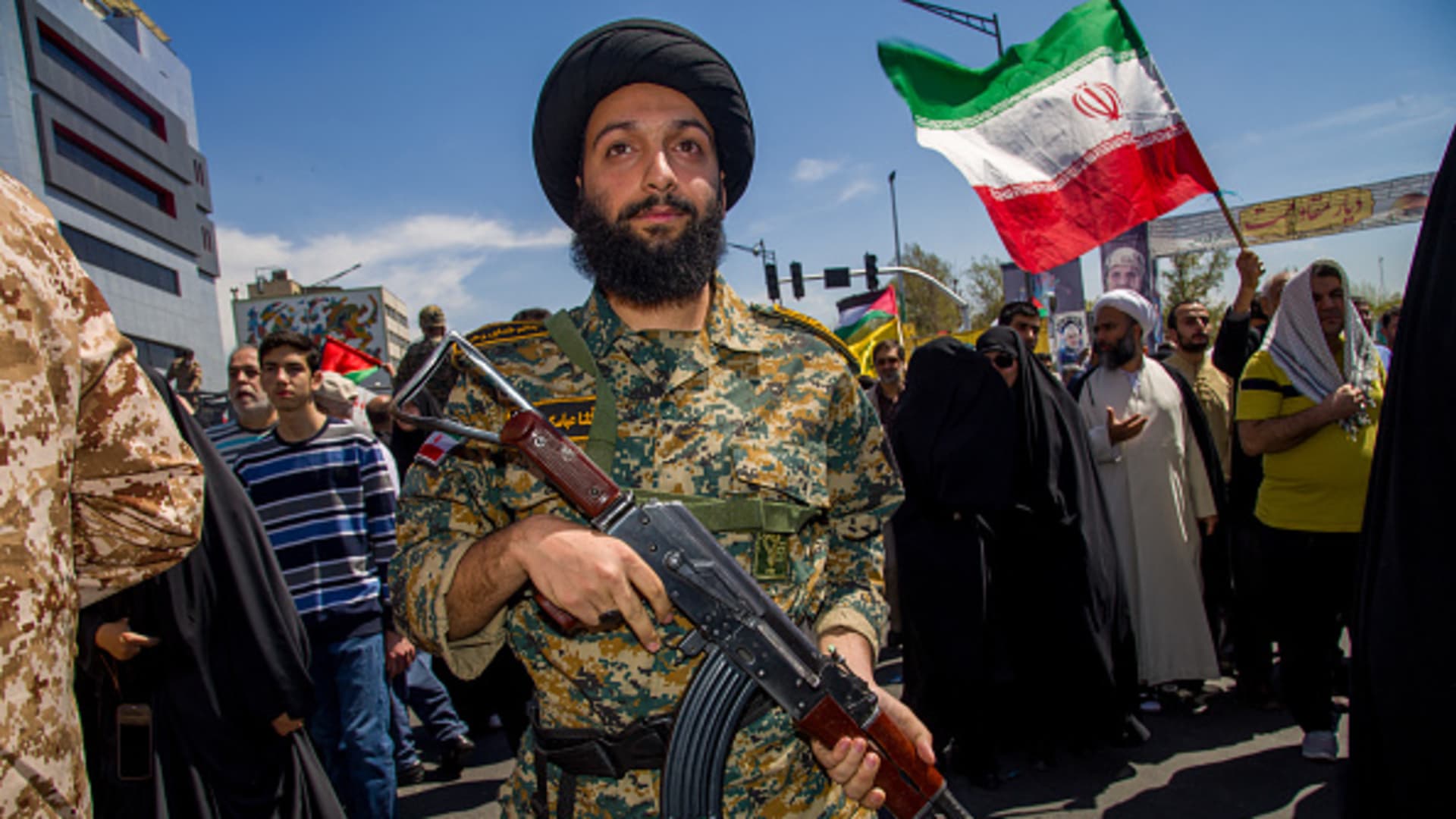
The recent spikes in military activity between Iran and its adversaries have reopened these old wounds. You have to understand the geography. Halabja sits just a few miles from the Iranian border. During the 1980s, it was a literal frontline. Today, when Iranian missiles fly over Iraqi Kurdish airspace or when drones strike targets near Erbil, the collective memory of the city triggers a state of high alert.
There’s a deep-seated fear that the region could once again become a playground for larger powers. The Kurds have a saying: "No friends but the mountains." It feels especially true when Tehran and Washington use Iraqi soil to settle scores. The survivors of 1988 see the current instability not as a new conflict, but as a continuation of the same disregard for Kurdish lives that allowed the gas to fall in the first place.
Many families in Halabja still have relatives across the border in Iranian Kurdistan (Rojhelat). When Iran cracks down on dissent or engages in cross-border shelling against opposition groups, it's a direct hit to the psyche of Halabja. They know how quickly a "border skirmish" can turn into a localized apocalypse.
The failure of international justice
Justice is a nice word that doesn't mean much in the mountains of Sulaymaniyah. Sure, Chemical Ali was hanged in 2010. Saddam Hussein is gone. But the companies—many of them European—that sold the precursors for these chemical weapons largely escaped any real reckoning.
This is the part that most mainstream news skips over. The nerve agents didn't appear out of thin air. They were manufactured using technology and chemicals sourced from global markets. For the people of Halabja, the fact that no major international tribunal has held these corporate entities accountable is a ongoing insult. It sends a clear message: profit matters more than Kurdish lungs.
Living with the permanent scent of apples
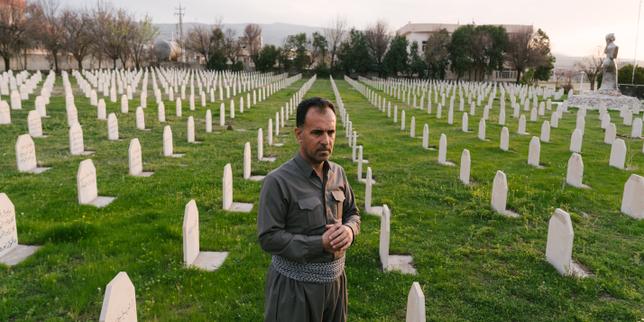
If you visit Halabja today, you’ll see the memorial. You’ll see the names. But you’ll also see a city struggling to provide specialized healthcare for its aging survivors. The "Halabja syndrome" is a real medical reality involving chronic skin lesions and permanent neurological damage.
It's honestly frustrating to see how little the central government in Baghdad has done for the city's infrastructure over the years. Halabja was officially made a province, but the funding hasn't matched the title. It feels like the world wants to remember Halabja once a year for a photo op and then forget it exists for the other 364 days.
The current instability in the Middle East makes the lessons of Halabja more relevant than ever. We're seeing a return to "total war" mentalities in various global conflicts. The taboo against chemical or tactical non-conventional weapons is thinning. If we don't recognize Halabja as a warning of what happens when the world looks away, we're doomed to see those white clouds again.
To truly honor the victims, look beyond the history books. Support organizations like the Halabja Survivors' Association that provide direct medical aid. Demand transparency regarding the arms trade and the chemical precursors still flowing into conflict zones. Don't let the story of Halabja be a closed chapter. It's a living, breathing warning.
Stop viewing the Middle East through the lens of simple "national interests" and start looking at the human cost of being a "buffer zone." The people of Halabja didn't choose to be at the center of a war between two giants. They just happened to be in the way. They’re still in the way. And they're still waiting for a world that actually means "never again."