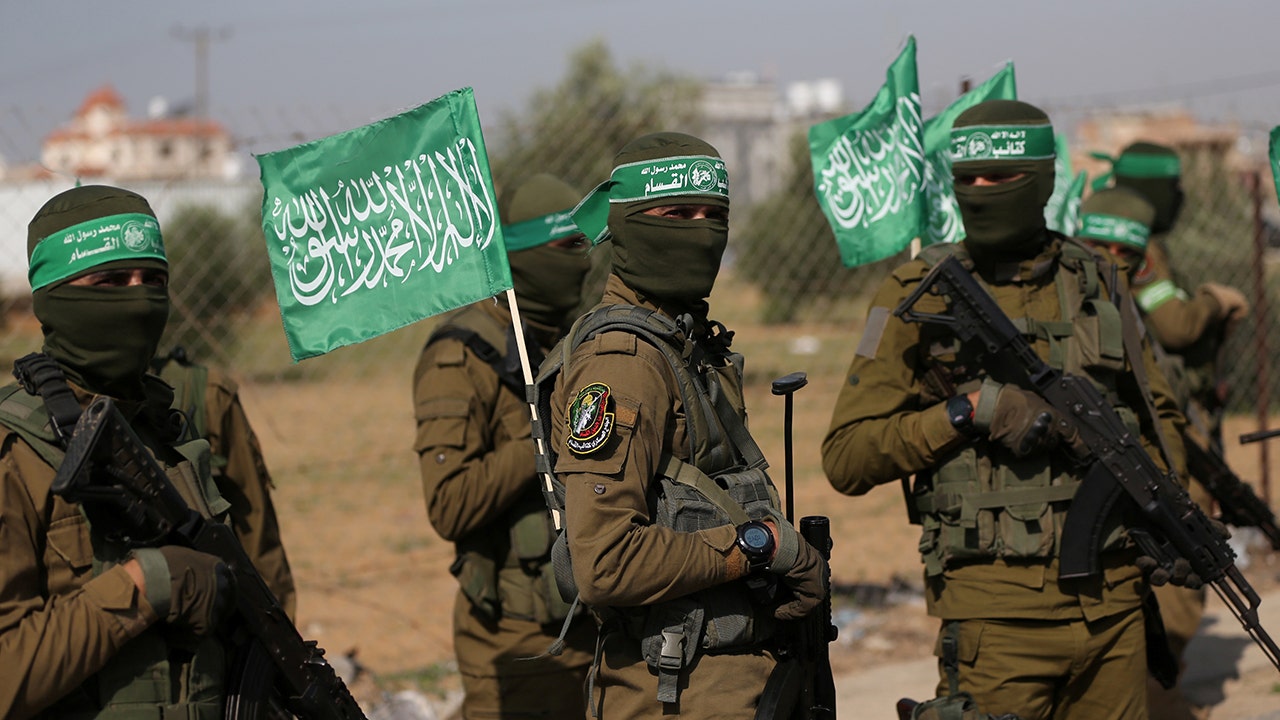
The Middle East is currently a powderkeg with multiple fuses burning at once. When Hamas recently signaled to Iran that it should avoid hitting neighboring Arab countries, it wasn't just a polite suggestion. It was a desperate attempt to keep a crumbling regional balance from collapsing entirely. You’ve probably seen the headlines about "sovereignty" and "self-defense," but the reality on the ground is far more cynical and calculated.
Hamas finds itself in a bizarre position. It depends on Iran for survival, yet it knows that an all-out regional war involving neighbors like Jordan, Egypt, or Saudi Arabia could be the final nail in its coffin. This isn't about diplomacy. It’s about optics and the brutal math of staying relevant while Gaza is under constant fire.
The Geopolitical Tightrope Walk
The core of the message is simple. Hamas wants Iran to strike back at Israel—they've said as much regarding the right to "self-defense"—but they’re terrified of the collateral damage. Not just physical damage, but political fallout. If Iranian missiles or drones veer off course and hit Amman or Riyadh, the Arab world's simmering anger toward the "Axis of Resistance" will boil over.
Hamas leaders aren't stupid. They know that despite the street-level support for the Palestinian cause, Arab governments are increasingly weary of Iranian interference. By publicly urging Tehran to spare neighboring states, Hamas is trying to play the "responsible actor" in a room full of radicals. They’re basically telling Iran, "Hit the target, but don't blow up our remaining bridges with the neighbors."
It’s a high-stakes game. You can’t claim to be the champion of the Palestinian people while your primary benefactor is raining fire on the very countries Palestinians rely on for aid and eventual reconstruction.
Why the Self Defense Argument Still Matters
You’ll hear the phrase "right to self-defense" thrown around by every side in this conflict. In this specific context, Hamas is using it to validate Iranian retaliation for the assassination of leaders like Ismail Haniyeh. From their perspective, if they don't affirm Iran's right to strike, they lose their most powerful military patron.
But here’s the kicker. "Self-defense" in the Middle East has become a flexible term that covers everything from surgical strikes to massive drone swarms. Hamas is trying to define the boundaries of that defense. They want it focused. They want it targeted. Most importantly, they want it to stay within the borders of the conflict they started.
If Iran ignores this advice, the blowback won't just hit Tehran. It will strip away the last shred of diplomatic cover Hamas has in the region.
The Arab Street vs The Arab State
There’s a massive gap between what people in the streets of Cairo or Amman think and what their governments do. Hamas is playing to both. By "protecting" neighboring countries through these public statements, they’re trying to tell the Arab public that they care about their safety.
At the same time, they’re sending a memo to the intelligence agencies in those countries. That memo says: "We aren't the ones looking to destabilize you. That's Iran." It’s a classic move. Distancing themselves from the messiest parts of their own alliance while still cashing the checks.
What Happens if Iran Misses
Precision is not always the strong suit of long-range ballistic maneuvers in a crowded airspace. We saw this during previous exchanges where GPS jamming and intercepted debris caused issues far from the intended targets. If an Iranian operation goes sideways, Hamas's warning will look like a hollow prophecy.
Jordan, for instance, has already made it clear it won't allow its airspace to become a battlefield. If Iran violates that and Hamas is seen as the cheerleader for the strike, the relationship between the Palestinian leadership and the Jordanian monarchy—which is already strained—could hit a point of no return.
The Reality of Iranian Influence
We have to be honest about who holds the leash here. Hamas can "call on" Iran to do whatever it wants, but Tehran follows its own script. The Islamic Revolutionary Guard Corps (IRGC) doesn't take tactical advice from a group currently fighting for its life in the tunnels of Khan Younis.
Iran's goals are much larger than the fate of Hamas. They’re looking at regional hegemony and forcing the U.S. out of the Middle East. If burning a few bridges with neighboring Arab states serves that long-term goal, they’ll do it without a second thought. Hamas’s statement is a plea for relevance in a strategy they no longer control.
Moving Forward in the Chaos
The situation is fluid and frankly, quite grim. If you’re watching this play out, don't look at the official statements as settled law. Look at them as a survival manual for a group that is running out of friends.
The next few weeks will determine if this conflict stays contained or spills over into a multi-state disaster. Watch the flight paths of the next drone wave. Watch the rhetoric from the Jordanian foreign ministry. Those are the real indicators of whether Hamas's warning was heard or simply ignored.
Stay informed by tracking the specific movements of the U.S. Navy’s central command and the defensive postures of the "Abraham Accords" countries. They’re the ones who will actually decide if Iran’s "self-defense" stays within the lines Hamas is trying to draw.