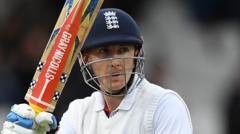
Harry Brook is clearly one of the most gifted cricketers to emerge in the modern era. When you watch him stride to the crease, you see the same effortless flair that defined David Gower and the destructive, high-octane intent that Kevin Pietersen brought to the international stage. Comparisons to legends are inevitable, but they’re also a massive trap. Being a world-class batsman is a singular task; being a captain is an entirely different beast.
The current buzz around Brook’s potential to lead England across all formats misses the point of what leadership actually requires. Talent at the crease doesn’t translate to tactical genius in the field. When I look at the history of English cricket, the best players haven’t always been the best leaders. Forcing a generational batting talent into the captaincy role too early often stunts their growth and risks burning them out before they hit their peak.
The Weight of the Badge
Leadership in international cricket is about more than just scoring runs. It’s about managing egos, navigating media scrutiny, and maintaining composure when everything is falling apart in the field. We’ve seen Brook handle himself well with the bat, even under extreme pressure, but the captaincy is a daily grind that never switches off.
Recent history has shown us that this regime values aggressive, proactive cricket. Brook fits that mold perfectly as a player. However, there’s a difference between choosing the right shot to play and choosing the right bowler to bowl when a partnership is threatening to take the game away. It’s a tactical chess match that takes years to master.
Look at the challenges he’s already navigated. A high-profile incident in Wellington during a tour of New Zealand tested him off the field, forcing him to face questions about professionalism and character. While he handled the subsequent media firestorm with maturity, dealing with that level of public scrutiny while also trying to set fields and manage a dressing room is another level of difficulty entirely.
Lessons from the Past
The temptation to hand the keys to the most exciting player in the squad is understandable. It feels natural. But let’s remember how many brilliant careers were complicated by premature leadership appointments.
David Gower was a beautiful, elegant player whose captaincy was often criticized for being too detached or laid back. Kevin Pietersen, arguably England’s most talented batsman of his generation, had a notoriously rocky tenure as captain because the demands of the job conflicted with his need to simply be the best player on the field. Brook has elements of both—the style of Gower and the dominance of Pietersen—but he needs time to develop his own identity.
When you rush a player into the captaincy, you’re asking them to learn two jobs at once. If the team starts losing, the captain’s batting form is almost always the first thing to suffer. England needs Harry Brook scoring big runs for the next decade. If that means keeping him away from the tactical burden of the captaincy for a few more years, then that’s the smart play.
Focus on the Present
Joe Root taking back the Test captaincy was the right move. It provides stability and allows Brook to focus on what he does best: demoralizing opposing bowlers. We’ve seen him lead white-ball sides, and that’s a great environment for him to learn the ropes without the relentless, five-day grind of Test match leadership.
If you’re a fan, stop worrying about who is next in line for the top job. Appreciate the fact that England has a player who can clear the ropes at will and play spin with the best of them.
The next time you see Brook walking out to bat, don’t look for a leader. Look for the game-breaker. He’s already where he needs to be. Forcing him into the captaincy isn’t an honor; it’s an unnecessary hurdle. Let him play his cricket, let him grow into his own man, and let the leadership role wait for when he’s ready. He’s not the finished article, and that’s perfectly fine.