Most people assume the United States has a single national agency running federal elections. It doesn't. Not even close.
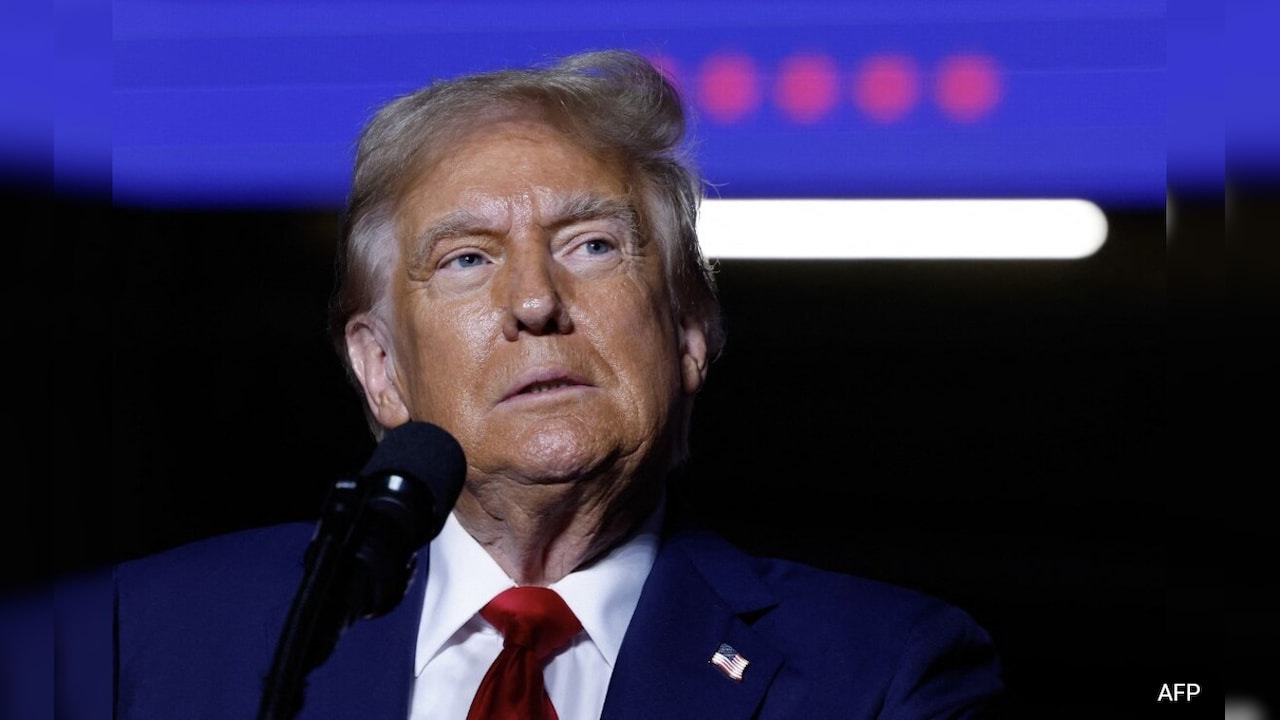
That missing piece is a feature, not a bug, baked straight into the Constitution's Elections Clause. While the federal government sets certain baseline rules through statutes passed by Congress, day-to-day voting happens across thousands of state, county, and municipal offices. President Donald Trump has spent his second term testing how far executive pressure can reach inside a system that lacks a single national referee—issuing sweeping voting executive orders, pushing Congress on bills like the SAVE America Act, and moving to oust members of the U.S. Election Assistance Commission (EAC).
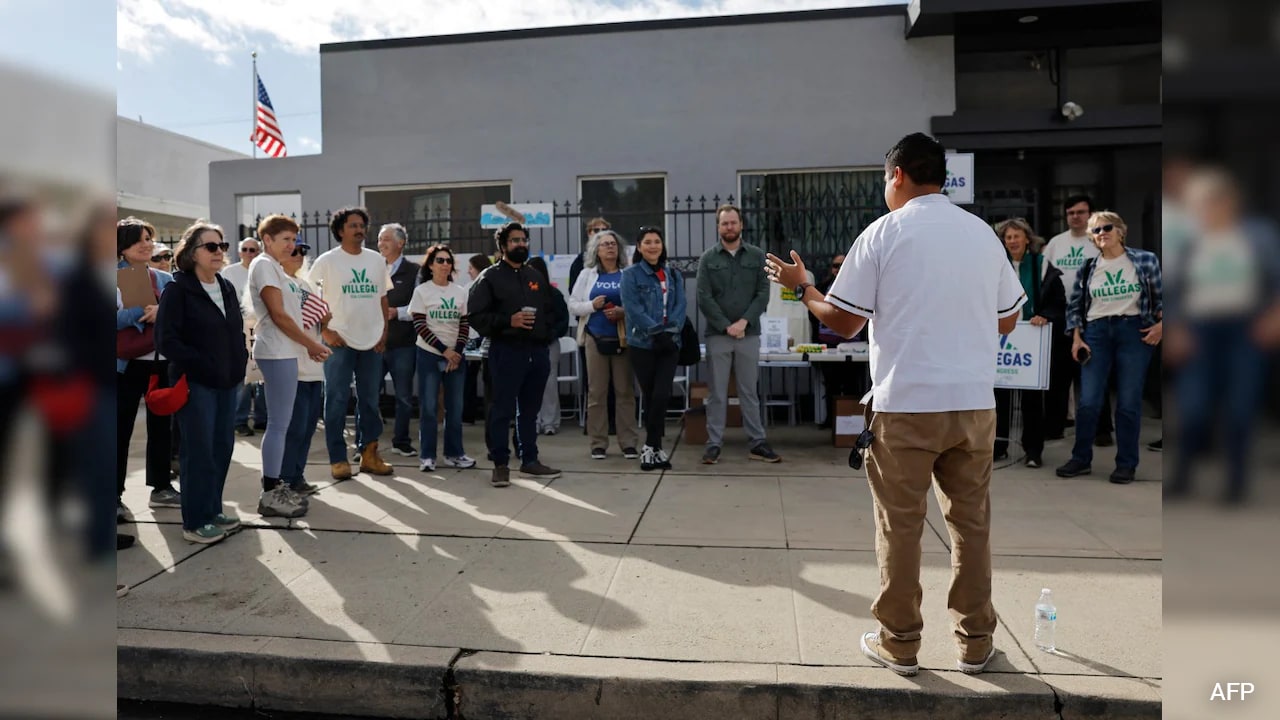
Watching these clashes unfold up close makes one thing obvious. Confusing political noise with operational authority is the biggest trap in election coverage right now. A president can sign an order or fire commissioners, yet local clerks still manage poll books, paper ballots, and precinct operations under state law.
How Having No Election Commission Shapes Executive Power
America doesn't have a centralized election commission with command-and-control authority over voting precincts nationwide. Instead, the Constitution assigns primary responsibility over the "Times, Places, and Manner" of holding congressional elections to the states, while giving Congress authority to alter those rules or set national standards.
That design creates a weird tension. Without a national election commission sitting at the top of a neat organizational chart, people often look to the White House for answers—or blame—when rules feel fragmented. Trump has leaned into that vacuum by treating presidential directives as levers to reshape voter registration documentation, mail voting, and voting machine standards.
Legal scholars and nonpartisan election analysts consistently point out that executive orders cannot create constitutional or statutory authority where none exists.
Consider what happens when a president targets the U.S. Election Assistance Commission (EAC). Created under the Help America Vote Act of 2002, the EAC is a bipartisan body—two Democrats and two Republicans appointed by the president and confirmed by the Senate—that helps states with grants, voluntary voting system guidelines, and national mail voter registration forms. It isn't a national election czar. When Trump moved in July 2026 to oust EAC commissioners, a federal judge blocked the removal on constitutional grounds, while election officials noted that immediate day-to-day voting operations remained anchored at the state and local level.
Still, empty seats and court battles aren't harmless. Prolonged vacancies and executive pressure can slow guideline updates, spook local administrators, and fuel public confusion over who is actually in charge.
What Decentralized Voting Really Protects and Risks
Decentralization sounds messy until you look at how voting systems behave under stress. Because there's no single central server or national command post, no single order or technical glitch automatically rewrites rules in every county at once.
- Local resilience: Thousands of county and municipal jurisdictions run separate voter rolls, ballot printing, and tabulation processes. If a dispute or disruption hits one place, it doesn't cascade across all 50 states.
- Legal friction: State legislatures, state courts, and federal courts all sit between a White House directive and a voter's ballot. That friction slows unilateral changes down.
- Patchwork rules: What works smoothly in one state can look baffling in another. Voting by mail, early voting windows, and ID checks vary widely because states set their own laws within constitutional and federal limits.
Critics of executive overreach, including groups like the Brennan Center for Justice and Protect Democracy, argue that unilateral orders on proof-of-citizenship documents or machine decertification overstep executive authority and risk disenfranchising eligible voters or upending state procurement. Supporters of tighter federal standards counter that uniform national rules—such as stricter documentary proof of citizenship or photo ID mandates pursued through legislation like the SAVE America Act—would bring clarity and public confidence.
Honestly, both sides highlight real trade-offs. Patchwork rules can confuse voters who move across state lines. Yet rushing sweeping mandates without congressional authorization or practical timelines creates chaos of its own.
Real Misconceptions About Federal Election Control
When headlines talk about federal crackdowns or election takeovers, a few myths pop up fast. Let's clear them up.
Myth One: The President Can Rewrite Voting Rules Alone
He can't. Under the Elections Clause and federal statutes like the Voting Rights Act, National Voter Registration Act, and Help America Vote Act, authority belongs to the states and Congress—not the executive branch. Courts have repeatedly stepped in when executive orders tried to bypass those boundaries.
Myth Two: Federal Agents Run Local Polling Places
False. Poll workers in local precincts are typically county or municipal employees, temporary staff, and community volunteers. Federal law bars deploying armed federal officers or military forces to police polling stations.
Myth Three: A Single Claim Equals Proven Fraud
Loud rhetoric often outruns evidence. Fact-checkers and intelligence assessments have repeatedly pushed back against sweeping claims of mass noncitizen voting or foreign manipulation of vote tallies, noting that existing checks catch errors and lack evidence of widespread vote-flipping. That doesn't mean local mistakes never happen—human error occurs in every complex operation—but small administrative hiccups aren't the same as coordinated rigging.
Practical Steps to Follow Election Rules Clearly
If you want to cut through the noise before the next election cycle, stick to primary sources close to your own ballot.
- Check your state and county election office directly. Look up your official state secretary of state or county board of elections site to confirm registration deadlines, ID rules, and mail or early voting options.
- Track court rulings, not just press releases. Executive orders and proposed bills generate big headlines fast. Watch whether courts block, pause, or narrow a rule before assuming it changes how you vote.
- Verify your registration early. Confirm your name and address match state records weeks ahead of a deadline so clerical mismatches don't trip you up at the last minute.
Having no single national election commission makes American voting look untidy on paper. In practice, that scattered authority is precisely what keeps any single office from seizing total control overnight.