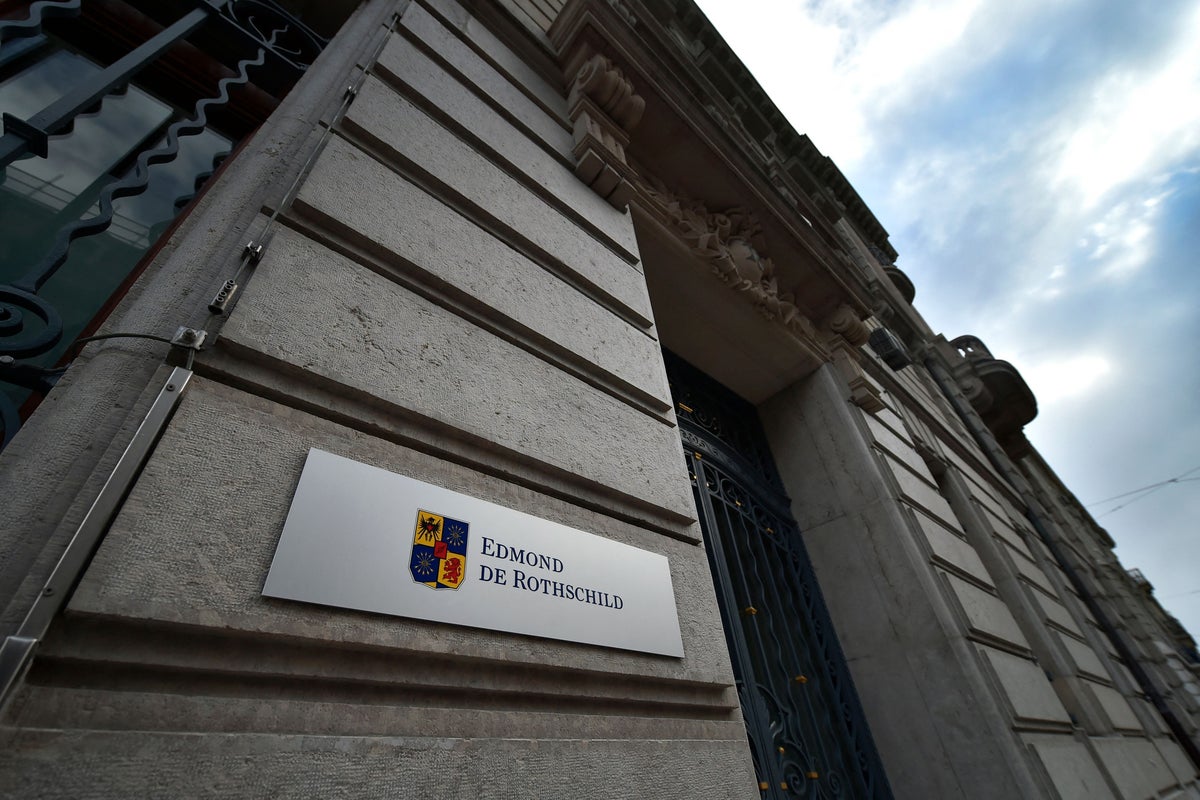
French financial prosecutors recently authorized a targeted raid on the Paris offices of a prominent Swiss private bank, signaling a sharp escalation in the global effort to trace the financial ghosts of Jeffrey Epstein. This move by the Parquet National Financier (PNF) is not a simple fishing expedition. It is a calculated strike aimed at uncovering how vast sums of money moved through European accounts long after the red flags should have been deafening. Investigators are searching for evidence of "aggravated money laundering" and "pimping," looking specifically at whether banking institutions turned a blind eye to transactions that fueled a decade-long criminal enterprise.
The investigation is no longer just about the man himself. It has shifted toward the infrastructure that permitted his survival.
The Architecture of Silence
Swiss banking has spent the better part of two decades trying to shed its reputation as a vault for the world's secrets. Yet, the raid in Paris suggests that the old habits of discretion may have provided the necessary oxygen for Epstein’s network to breathe. French authorities are zeroing in on the period between 2002 and 2015, a timeframe that overlaps with Epstein’s previous convictions and his subsequent return to high society.
Money laundering in this context is rarely about bags of cash. It is about the "layering" of legitimacy. When a high-net-worth individual moves funds through a Swiss subsidiary in Paris, the transaction carries a veneer of prestige. For the PNF, the question is whether the bank's compliance officers ignored the "Know Your Customer" (KYC) protocols that are legally mandated to prevent the flow of illicit funds. If the bank knew—or should have known—that the money was being used to facilitate the transport of victims or the maintenance of properties used for criminal acts, the institution becomes a participant rather than a bystander.
The legal threshold for "aggravated" money laundering in France is high. It requires proof that the laundering was done on a habitual basis or by using the facilities provided by a professional activity. By targeting the Paris branch, French investigators are asserting jurisdiction over any transaction that touched French soil, effectively bypassing some of the traditional hurdles of Swiss bank secrecy laws.
The Jean Luc Brunel Connection
You cannot understand the Paris raid without looking at the shadow of Jean-Luc Brunel. The late French modeling scout, who was found dead in his prison cell in 2022, was a central figure in the European wing of this scandal. Brunel was accused of procuring young women for Epstein, and his operations were centered in the heart of the French capital.
Investigators are currently tracing the financial umbilical cord between Epstein’s offshore accounts and Brunel’s French business interests. They are looking for payments that appear as "consulting fees" or "travel expenses" but functioned as the payroll for a trafficking ring. The Swiss bank in question reportedly managed accounts tied to these entities.
The strategy here is clear. The PNF is following the paper trail to see if the bank facilitated Brunel's lifestyle and operations using Epstein’s wealth. This is where the "pimping" charge (proxénétisme) enters the frame. Under French law, anyone who benefits from the proceeds of prostitution or facilitates it can be charged. If a bank knowingly processes payments for hotels, flights, or "allowances" for victims, they are legally vulnerable.
Why the Banks are Scared
For the broader financial industry, this raid is a nightmare. It represents a shift from civil settlements to criminal liability. In the United States, we saw Deutsche Bank and JPMorgan Chase pay hundreds of millions in settlements to victims, effectively buying their way out of further prosecution. France appears to be taking a different path.
The PNF is known for its aggressive stance on financial crime. They are not looking for a check; they are looking for indictments. This puts the Swiss banking sector in a precarious position. If a French court finds that a bank’s internal controls were intentionally bypassed, the penalties go beyond fines. We are talking about the potential loss of banking licenses in the European Union and the criminal prosecution of individual executives.
- The Compliance Gap: Many banks argue that they cannot be expected to be "private detectives." However, the sheer volume of suspicious activity reports (SARs) that should have been triggered by Epstein’s transactions makes this defense fragile.
- The Jurisdiction Trap: By conducting the raid in Paris, the French are forcing the disclosure of documents that might have been protected under Swiss law if the request had gone through traditional diplomatic channels.
The Myth of the Reformed Bank
The banking industry often claims that the post-2008 regulatory environment made the "Epstein era" impossible to repeat. This is a comforting thought, but it ignores the reality of how private banking works. High-net-worth individuals are often handled by "relationship managers" who are incentivized to keep the client happy, not to ask difficult questions about where a $50,000 wire transfer to a Caribbean holding company is going.
In many cases, the compliance department is a hurdle to be cleared, not a partner in enforcement. The raid on the Swiss offices suggests that investigators have found evidence of internal communication where the risks were flagged but ultimately ignored in favor of maintaining a lucrative relationship. This is the "smoking gun" the PNF is hunting for.
Beyond the Raid
The documents seized during this operation are currently being digitized and cross-referenced with data provided by US authorities. This is a multi-jurisdictional pincer movement. While the American side of the investigation has focused heavily on the victims and the immediate circle of enablers, the French are providing the forensic accounting necessary to map the entire ecosystem.
The Swiss bank at the center of this storm has remained largely silent, issuing only boilerplate statements about "cooperating with authorities." But behind the scenes, the legal teams are likely working overtime. They know that if the PNF can prove a pattern of negligence, the floodgates will open for more raids across the continent.
This isn't just about one dead billionaire and his horrific crimes. It is a trial of the financial systems that allow such crimes to be financed in broad daylight. The Paris raid has stripped away the comfort of distance, proving that even the most prestigious addresses on the Place Vendôme are not immune to the reach of a determined prosecutor.
The next phase of this investigation will likely involve the summoning of former relationship managers for questioning. If you want to know where the bodies are buried, you talk to the people who handled the shovels. In the world of high finance, those shovels are wire transfers and ledger entries. The silence in the Swiss banking boardrooms right now is the sound of an industry waiting for the other shoe to drop.
Keep a close eye on the "consultancy" payments flagged in the seized documents. That is where the names of the still-active enablers are hidden.