The Escalation Pipeline
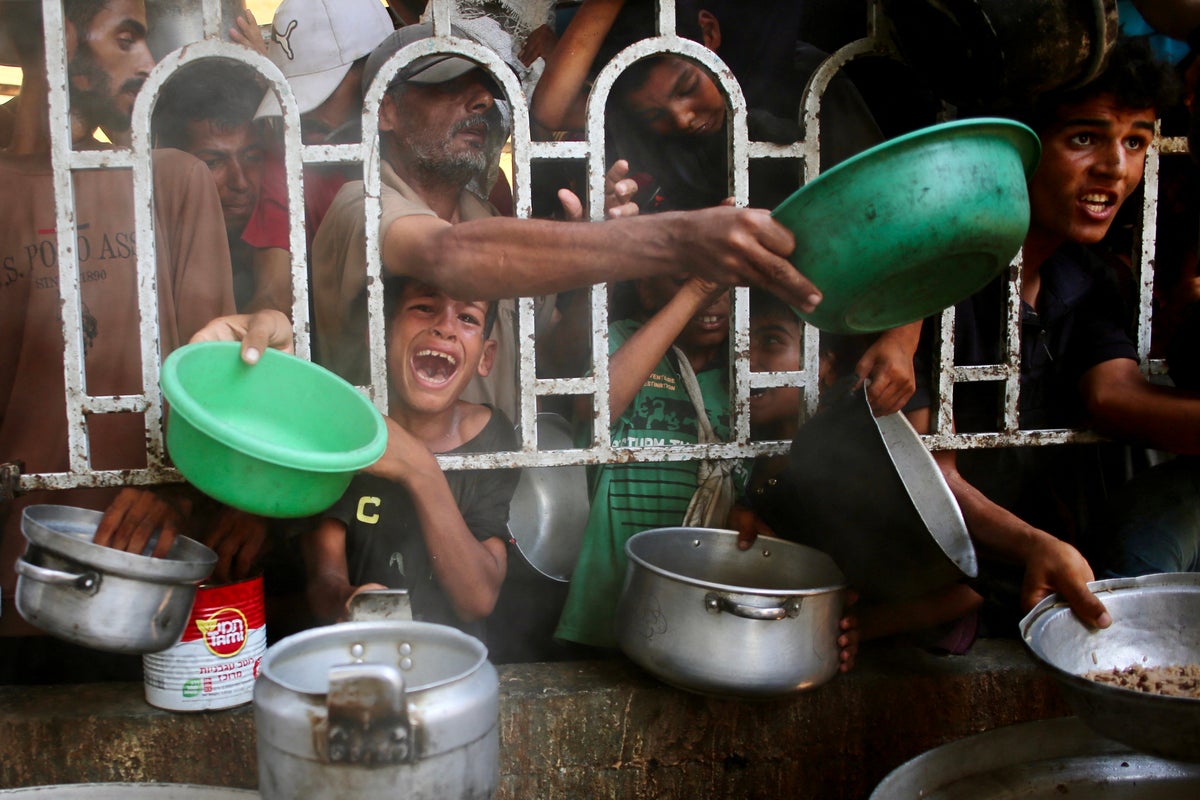
A regional conflict in the Middle East does not stay contained within geopolitical borders. When Washington tightens the screws on Tehran, the immediate assumption is that the fallout will be measured in oil barrels and drone strikes. The reality is far more fragile and immediate. An escalation of hostilities between the United States and Iran threatens to tip fragile food import systems across the region into absolute collapse, endangering the lives of up to thirty million people who rely on vulnerable supply lines.
This isn't about a hypothetical spike in wheat prices. It is about the physical mechanics of food distribution in nations already teetering on the edge of insolvency.
Most analysis focuses on the Strait of Hormuz as an oil choke point. This is a profound miscalculation. The strait is equally vital for bulk commodities heading into the Persian Gulf, and any protracted military friction there immediately drives up maritime insurance premiums to prohibitive levels.
For cash-strapped nations in the immediate periphery—Yemen, Syria, Lebanon, and parts of Iraq—even a temporary disruption in shipping logistics transforms chronic malnutrition into acute starvation within weeks.
The Fragile Lifelines of the Fertile Crescent
To understand how a Washington-directed campaign against Iran triggers a hunger crisis, one must look at the balance sheets of regional grain importers. Countries like Lebanon and Yemen do not have strategic reserves. They operate on a just-in-time delivery model, purchasing grain shipments on short-term credit lines backed by international banks.
+--------------------------------------------------------------+
|        THE CASCADE EFFECT OF REGIONAL ESCALATION             |
+--------------------------------------------------------------+
|  1. Geopolitical Friction / Military Action in Gulf          |
+--------------------------------------------------------------+
|                             v                                |
|  2. Maritime Insurance Premiums Spike (War Risk Surcharges)  |
+--------------------------------------------------------------+
|                             v                                |
|  3. Credit Lines Frozen for Regional Importers               |
+--------------------------------------------------------------+
|                             v                                |
|  4. Physical Cargo Diversion / Port Closures                 |
+--------------------------------------------------------------+
|                             v                                |
|  5. Domestic Subsidies Collapse & Immediate Rationing        |
+--------------------------------------------------------------+
When the threat of military kinetic action increases, Lloyd’s of London underwriters adjust their war-risk surcharges. A single percentage point increase in these premiums can add hundreds of thousands of dollars to the cost of a single voyage.
For a wealthy state like Saudi Arabia, this is a rounding error. For Lebanon, a country whose banking sector has effectively dissolved, it is an insurmountable barrier. Ships simply refuse to dock at ports deemed within the strike zone of Iranian proxies or American retaliatory assets.
The Yemen Dilemma
Yemen remains the most acute vulnerability in this equation. The country imports more than 90 percent of its staple foods. The Houthi movement, backed by Iran, commands the strategic coastline along the Red Sea.
If American foreign policy shifts toward a heavy-handed containment strategy that includes blockading or heavily striking Houthi-controlled ports like Hodeidah, the flow of commercial food aid stops instantly.
- Commercial Risk: Shipping lines will completely abandon the Red Sea routes if insurer liabilities exceed cargo value.
- Logistical Dead Ends: Land-based alternatives through Oman or Saudi Arabia lack the capacity to move the volume of grain required to sustain twenty million people.
- Currency Degradation: Local currencies depreciate rapidly during active conflict, rendering ordinary citizens unable to afford local market rates even if food is available.
Banking Sanctions as a Blunt Instrument
The secondary mechanics of this crisis lie within the international banking system. Sanctions aimed at cutting off Iran’s financial oxygen routinely inflict collateral damage on the trade of humanitarian goods.
While US Treasury regulations technically include carve-outs for food and medicine, the reality on the ground is dictated by risk aversion.
International banks do not want to risk multi-billion-dollar fines for accidentally clearing a transaction linked to a sanctioned Iranian entity. Consequently, they engage in over-compliance. They refuse to process letters of credit for any food shipments bound for countries where Iranian influence is high.
This financial blockade disrupts the supply chains of independent grain merchants who have no ties to terrorism or regional militancy but find themselves blacklisted by proxy.
"The compliance department of a major European bank will always choose to deny a legitimate grain transaction to Beirut over risking a compliance violation notice from Washington."
This dynamic creates an artificial scarcity. Grain sits in silos in Russia, Ukraine, and France while the purchasing agents in the Middle East watch their credit facilities freeze. The result is a predictable spike in domestic food prices, sparking bread riots long before any missiles are launched.
The Counter-Argument: Regional Resilience vs. Reality
Defenders of aggressive containment strategies argue that regional powers can step in to mitigate food insecurity through direct aid. The Gulf Cooperation Council (GCC) possesses the capital to finance emergency food pipelines. They have done so in the past, providing billions in direct budget support to Egypt and Jordan.
This argument ignores the deep sectarian and political fractures that dictate where that aid actually goes. Wealthy Gulf monarchies are highly unlikely to finance food security initiatives that benefit populations under the de facto control of Iranian proxies.
Aid is weaponized. Food assistance to Lebanon is conditioned on the marginalization of Hezbollah; aid to Yemen is tied to the submission of the Houthis.
When food is utilized as a diplomatic lever during an active conflict, it rarely reaches the populations facing the highest risk of starvation.
The Strategic Failure of Oversight
The international community's framework for monitoring food insecurity is fundamentally reactive. Organizations like the Integrated Food Security Phase Classification (IPC) track famine after the structural breakdowns have already occurred. They count the dead; they do not prevent the policy failures that caused the deaths.
What is missing from the current strategic calculus in Washington is an understanding of systemic vulnerability. You cannot separate a maximum pressure campaign against Iran from the caloric intake of a child in Basra or Taiz. The economic networks are too deeply intertwined.
[US Sanctions / Kinetic Action]
       │
       ▼
[Global Shipping Insurance Spikes] ──► [Regional Bank Freezes]
       │                                        │
       ▼                                        ▼
[Port De-risking & Diversion]         [Currency Devaluation]
       │                                        │
       └───────────────────┬────────────────────┘
                           │
                           ▼
            [Acute Bread Shortages & Riots]
When a regime's survival is threatened by external pressure, its first instinct is to monopolize remaining resources for its security apparatus and political elite. The civilian population is forced to absorb the entirety of the economic shock. In Iraq, corruption networks linked to Tehran regularly skim resources from the national food subsidy program, known as the Public Distribution System.
As external pressures mount, these networks tighten their grip, leaving the poorest segments of the population completely decoupled from state-supported rations.
The Immediate Operational Threat
The most pressing danger over the next twelve months is the convergence of regional military friction with structural inflation. Food prices globally remain sticky, and shipping costs are elevated due to ongoing security concerns in the Bab al-Mandeb strait.
If the United States commits to a broader kinetic campaign designed to degrade Iranian capabilities, it will occur at a time when global grain reserves are already concentrated in a handful of exporting nations.
This leaves zero margin for error. A single miscalculated strike on a port facility, or a sea mine clearing operation that shuts down commercial traffic for more than fourteen days, will trigger an immediate suspension of bread subsidies across three nations simultaneously.
The political instability that follows such shortages will make the initial geopolitical friction look manageable. Governments do not survive bread riots; they collapse into internal chaos that creates precisely the power vacuums that extremist networks thrive upon.
The assumption that economic warfare can be targeted with surgical precision is a dangerous myth. Sanctions and military blockades are clumsy instruments that hit the kitchen table long before they reach the presidential palace or the military bunker.
The tens of millions facing hunger in the shadow of this standoff are not collateral damage in a future conflict. They are the predictable casualties of a current strategy that treats food security as an afterthought in the pursuit of regional dominance.