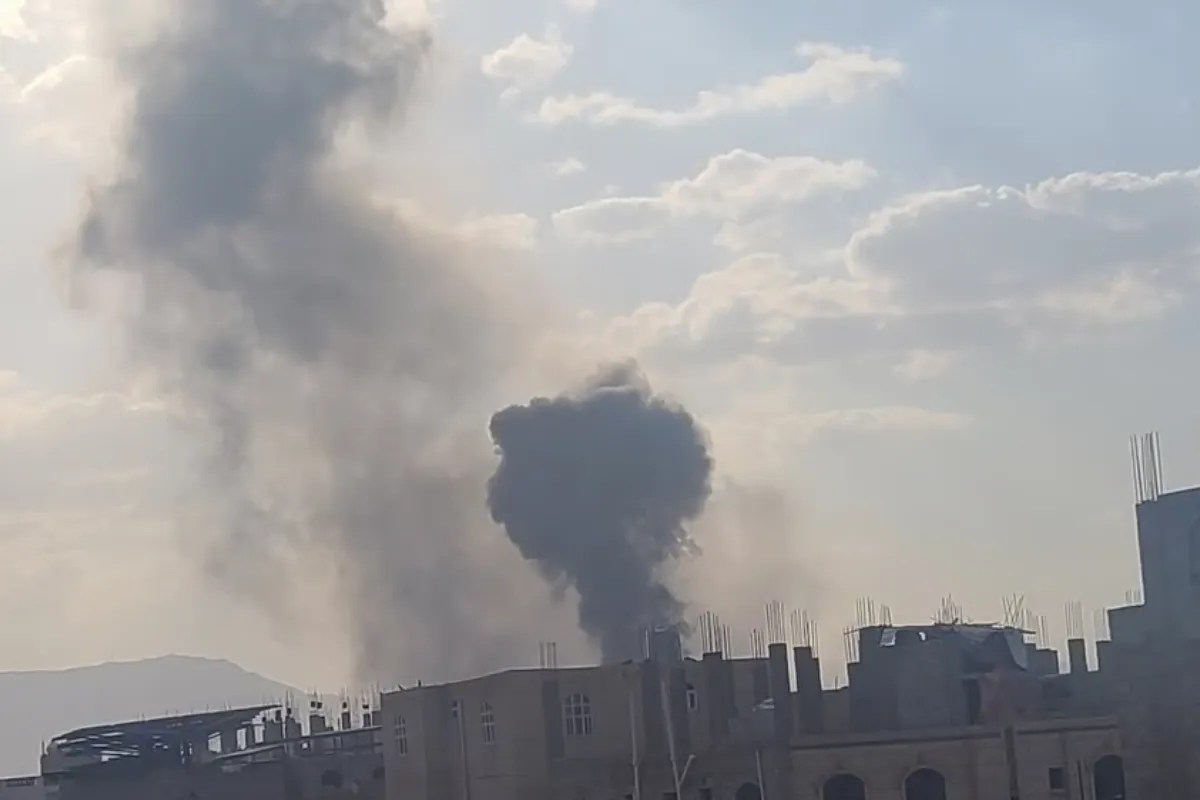
The sudden resumption of airstrikes targeting Sanaa International Airport shatters a fragile, protracted period of relative calm in Yemen. While initial reports frame these bombardments as isolated retaliatory measures, the reality points to a calculated breakdown in regional backchannel diplomacy. This escalation indicates that the regional powers have exhausted their patience with the current status quo. The strikes are not merely tactical maneuvers; they represent a fundamental shift in how the regional coalition intends to handle the persistent challenge of asymmetric threats on its border.
The Geopolitical Miscalculation of the Truce
For months, backchannel negotiations signaled a potential path toward a permanent ceasefire. Diplomatic envoys moved between regional capitals with a sense of optimism that now looks entirely detached from reality. The fundamental flaw lay in assuming that temporary economic incentives could override deeply entrenched ideological objectives.
The airspace over Sanaa has long been the primary chess piece in this conflict. By striking the infrastructure of the capital's main airport, the coalition is sending a clear message that the previous concessions regarding commercial flights and humanitarian corridors are officially revoked.
This is about leverage. When diplomatic talks stall, military action fills the vacuum immediately. The reopening of the airport to limited commercial traffic in recent years was treated as a major breakthrough, yet it always remained under tight surveillance and control. Deconstructing that specific progress tells us that the entire framework of the recent peace initiatives is unraveling.
Weaponizing Logistics and Airspace
Airports in asymmetric warfare serve a dual purpose. They are simultaneously vital lifelines for civilian populations and critical logistical hubs for state and non-state actors alike.
- Supply Lines: The primary justification for the bombardment centers on the alleged integration of sophisticated drone and missile assembly infrastructure near civilian runways.
- Strategic Denial: By rendering the tarmac unusable, the coalition effectively isolates the political leadership in Sanaa from direct diplomatic visits, forcing them back into a position of total reliance on land routes.
- Intelligence Assertions: Satellite imagery and ground intelligence suggested a recent influx of technical components that the coalition deemed too dangerous to ignore.
The decision to strike during a period of relative diplomatic engagement suggests that intelligence reports indicated an imminent threat. Military planners rarely risk international condemnation for hitting civilian infrastructure unless they believe the target possesses immediate strategic value.
The Economic Undertow of Persistent Conflict
Wars are expensive, but stalemate can be even costlier for regional economies trying to diversify away from fossil fuels. The financial burden of maintaining a state of constant military readiness has begun to clash with grand domestic development plans.
+------------------------------------+------------------------------------+
| Strategic Objective                | Economic Repercussion              |
+------------------------------------+------------------------------------+
| Infrastructure Denial              | Increased Humanitarian Aid Cost    |
| Air Superiority Maintenance        | High Attrition of Smart Munitions  |
| Border Security Corridors          | Disruption to Regional Trade Hubs  |
+------------------------------------+------------------------------------+
Every intercepted missile costs millions of dollars. The math simply does not work in the long run for a nation trying to position itself as a global tourism and financial hub. Therefore, the return to active bombardment represents an attempt to force a decisive conclusion rather than enduring an endless, low-intensity drain on resources.
The Failure of External Deterrence
International maritime task forces and diplomatic warnings have failed to secure the surrounding shipping lanes. The escalation in the skies above Sanaa is a direct consequence of this failure. When international coalitions cannot guarantee the safety of vital trade routes, regional actors take matters into their own hands, reverting to heavy-handed kinetic options.
This creates a dangerous cycle. The strikes provoke retaliatory drone launches, which then justify further aerial campaigns. The civilian population remains trapped in the middle of this operational calculus, enduring the immediate physical consequences of a war that has transformed into a testing ground for automated hardware.
Beyond the Security Narrative
The official statements from military commands always emphasize precision and the minimization of collateral damage. Veteran analysts know these phrases are designed for public consumption rather than objective accuracy.
The destruction of radar installations and support buildings at Sanaa International Airport fundamentally alters the humanitarian logistics network. Aid agencies relying on these flights must now recalculate their delivery routes, adding weeks to the transit of essential medical supplies and food. This logistical strangulation is often an unspoken objective of such campaigns, aimed at eroding the administrative capability of the governing entity in Sanaa.
The timing of these airstrikes also coincides with broader shifts in global energy markets. Instability in the Middle East invariably impacts oil futures, providing certain geopolitical advantages to producers who can control the volume of conflict. It is impossible to separate the kinetic actions on the ground from the broader macroeconomic realities dictating regional policy.
The Technological Dimension of Modern Siege Warfare
The nature of the hardware deployed in these recent strikes reveals an evolution in aerial warfare. We are no longer seeing the mass bombing runs of the early conflict. Instead, the focus has shifted to deep-penetration munitions designed to collapse underground bunkers and storage facilities without destroying entire city blocks.
This technical sophistication does not make the campaign any less devastating. The psychological impact of supersonic air presence over a major metropolis serves as a constant reminder of vulnerability. It undermines the narrative of security that the local authorities attempt to project to their populace.
The response from Sanaa will likely bypass traditional military targets entirely. Asymmetry dictates that when you cannot match your opponent in the skies, you strike their economic vulnerabilities on the ground. This means the risk to regional infrastructure, processing plants, and commercial shipping remains at an all-time high. The illusion of a contained conflict has evaporated, replacing the brief period of diplomatic hope with the harsh reality of renewed escalation.