Consider the map of Eurasia for a moment. It is a terrifying canvas of jagged brown peaks, vast steppes, and ancient borders carved by blood and wind. If you stand in Bishkek, surrounded by the towering shoulders of the Tien Shan mountains, the horizon feels both magnificent and confining. Landlocked. Surrounded by giants. For decades, geography has acted as a silent tollbooth on the ambitions of the Kyrgyz Republic, making every transaction with the wider world an exercise in navigating high passes and bureaucratic mazes.
Now, look toward New Delhi.
Thousands of miles to the south, the heat rises off the plains where over a billion people pulse through the arteries of a surging economy. Prime Minister Narendra Modi looks north, past the disputed valleys and the formidable heights of the Himalayas, toward those same Kyrgyz mountains. He does not see an impenetrable wall. He sees a missing puzzle piece.
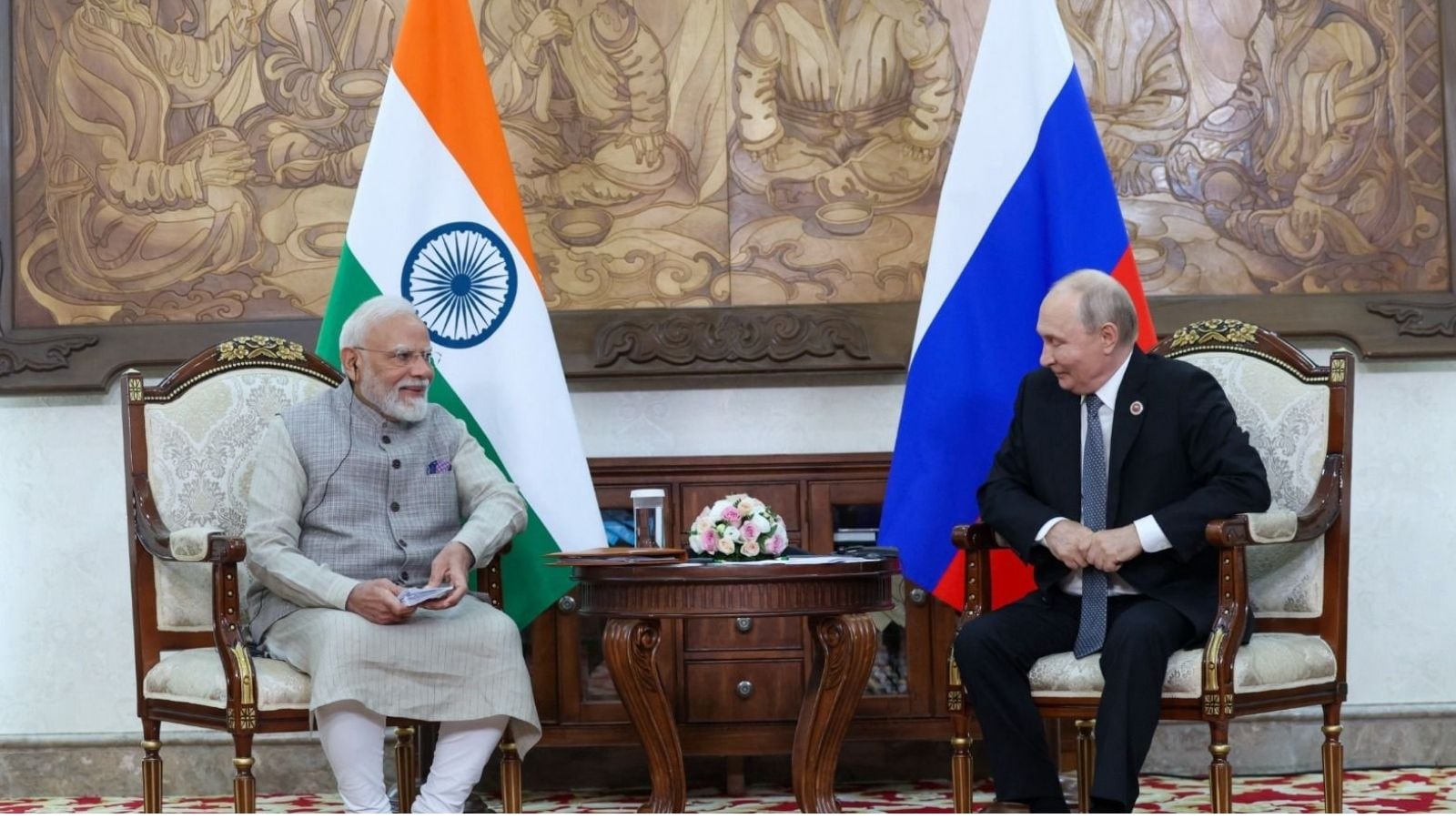
When leaders like Modi and Kyrgyz President Sadyr Zhaparov sit across a polished mahogany table to sign trade agreements and map out strategic partnerships, the headlines usually read like dry bureaucratic shorthand. Expanded commercial ties. Bilateral cooperation. Regional connectivity. The words dissolve into gray noise on a morning news feed.
Yet behind those bloodless terms lies a very human scramble for dignity, livelihood, and survival.
Step into the shoes of Almaz, a textile manufacturer in Bishkek. His hands are calloused from decades of working heavy cotton blends, and his workshop hums with the frantic clatter of twenty-year-old sewing machines. Almaz employs thirty people from his neighborhood. They rely on him to feed their families, pay their heating bills through brutal Central Asian winters, and keep the lights on. But Almaz has hit a ceiling. His domestic market is tiny, capped by a population of just seven million. To grow, to hire ten more people, to send his daughter to university abroad, he needs to sell beyond his borders.
For years, getting his goods south toward South Asia meant watching logistics costs devour his profit margins. It meant wrestling with customs checkpoints that felt designed to break the spirit of independent entrepreneurs.
This is where the grand architecture of geopolitics crashes into the reality of a small-town workshop. When Modi and Zhaparov commit to expanding their strategic partnership, they are not merely exchanging diplomatic pleasantries. They are trying to crack open a concrete box.
Trade is never just about numbers on a customs ledger. It is about oxygen.
To understand why this renewed partnership matters so deeply, you have to look at the anatomy of modern landlocked vulnerability. Central Asia has historically looked west toward Europe or north toward Moscow. Those ties are deep, historic, and complicated. But they are no longer enough for a young generation of Kyrgyz citizens who speak fluent English, code on laptops in sleek Bishkek cafes, and look at the booming digital and manufacturing markets of India with hungry eyes.
India, meanwhile, hungers for stability and secure corridors. As New Delhi maneuvers to project influence across Eurasia without stepping into the traditional flashpoints of its immediate neighborhood, Central Asia offers a breath of fresh air. It is a region eager for counterweights, eager for investment, and rich in natural assets that a developing tech and industrial superpower desperately requires.
Think of it as laying down invisible steel rails across a map that has long been defined by missing connections.
When the two leaders outline a roadmap for economic expansion, they are targeting the friction points. They are talking about streamlining the International North-South Transport Corridor. They are talking about digital integration, agricultural exports, and pharmaceutical partnerships.
Imagine what that means for a clinic in a remote Kyrgyz village, where getting affordable, high-quality generic medicines from Indian pharmaceutical manufacturers used to take months of red tape and exorbitant shipping fees. Or consider the agricultural exporter in the fertile Fergana Valley looking to get sweet, sun-ripened Kyrgyz honey and dried fruits onto the shelves of bustling markets in Mumbai or Delhi.
These are not abstract theories. They are logistical chains of survival.
Critics will rightly point out that grand communiqués are notoriously easy to sign and notoriously difficult to enforce. Bureaucracy has a way of swallowing ambition whole. Corruption, distance, and shifting regional dynamics can turn a glowing diplomatic summit into a footnote by next Tuesday. We have seen it happen before. Time and again, grand visions stall out in the freezing mud of mountain passes or the stifling humidity of customs sheds.
Yet something feels different this time. The economic gravity is too strong to ignore. India is hurtling forward at a pace that demands diverse supply chains, secure partnerships, and reliable friends in strategic locations. The Kyrgyz Republic is positioning itself not as a passive backyard, but as an active, vital crossroads between South and Central Asia.
Back in his Bishkek workshop, Almaz doesn't care much about geopolitical theory or the finer points of bilateral treaties. He cares about whether his next shipment of garments can clear customs without losing a week to arbitrary delays. He cares about whether a buyer in New Delhi can wire payment without getting trapped in a labyrinth of sanctions and frozen financial channels.
When leaders in distant capitals align their policies, they are pulling levers that either crush Almaz's dreams or give them wings.
The story of Modi and Zhaparov shaking hands is not just a diplomatic news item to be scanned and forgotten. It is a chapter in an ongoing epic: the eternal human push to melt borders, bridge mountains, and find customers across the ridge. It is about a world trying desperately to weave itself closer together, one trade route, one digital handshake, and one stubborn entrepreneur at a time.
The snow still caps the high peaks of the Tien Shan. The plains of India still hum with restless energy. But the distance between them is shrinking, measured not in miles, but in the quiet, relentless friction of human ambition carving out a new way forward.