The dust in southwest Pakistan does not settle. It hovers. It coats the windshields of old Toyota trucks, clings to the wool of traditional shawls, and finds its way into the throat until every breath tastes like iron and earth. In Balochistan, the roads are long, lonely ribbons stretching through a landscape that feels older than time itself. For those who wear a uniform, these roads are something else entirely.
They are a gamble.
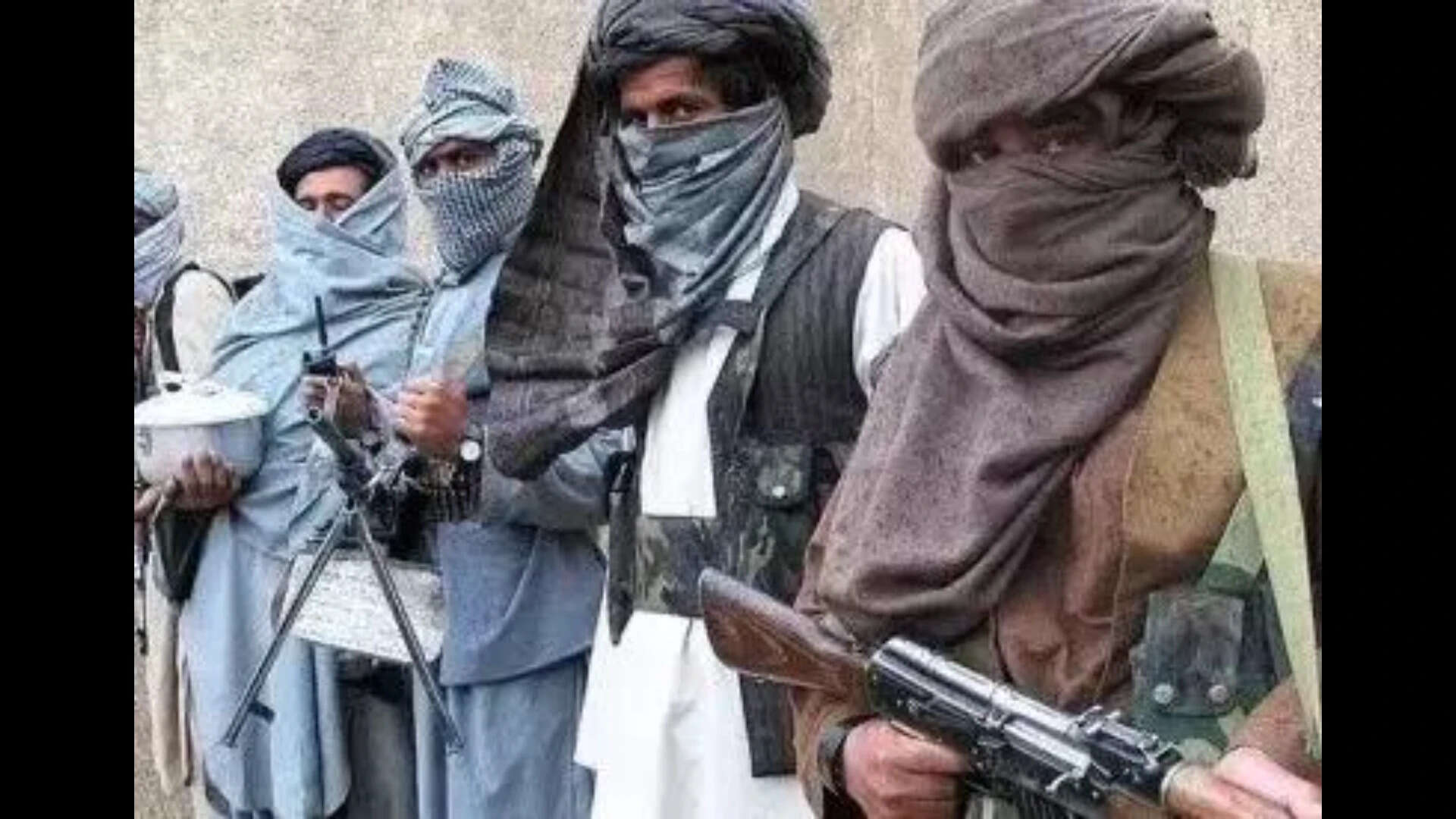
Earlier this week, eighteen families received the kind of news that permanently alters the gravity of a home. Eighteen police officers, men who left their houses with the mundane promise of returning for dinner, were killed in a series of coordinated, ruthless ambushes by regional insurgents. Simultaneously, eleven soldiers vanished. Abducted. Pulled into the jagged, unmapped ridges that scrape against the sky.
To the outside world, it is a headline. A collection of dry statistics buried beneath the noise of global markets and political theater. But statistics do not weep. They do not have to figure out how to explain to a six-year-old child why their father’s boots are sitting by the door, empty.
To understand how a routine patrol turns into a slaughter, you have to understand the sheer, terrifying isolation of the southwest.
The Geography of Vulnerability
Picture an outpost. It is a small, concrete blockhouse baking under a relentless sun, miles away from the nearest town. The men stationed there are young. Many come from Punjab or the provincial heartlands, sent to the frontiers to maintain a semblance of state authority in a region where the state has always felt like a distant rumor.
They rely on the asphalt. The roads are their lifelines for water, rations, and ammunition.
When an insurgent group decides to strike, they do not face the military in open combat. They use the terrain like a weapon. A choked point in a mountain pass, an improvised explosive device buried beneath a layer of loose gravel, and a sudden, deafening volley of automatic gunfire from the ridges above.
The battle is often over before the dust from the initial blast even clears.
This week’s surge in violence underscores a stark reality that standard news bulletins rarely capture. The conflict in Balochistan is not a stagnant policy problem; it is a living, breathing cycle of grievance and retaliation. The insurgents, fueled by decades of perceived economic exploitation and political marginalization, see the uniform not as a symbol of order, but as the face of an occupying force. Conversely, the men inside those uniforms see themselves as the thin line preventing total anarchy.
When these two worldviews collide on a deserted highway, the result is savage.
The Human Ledger
Consider the routine of a checkpoint. It is hours of agonizing boredom punctuated by moments of sheer terror. You wave through trucks loaded with Iranian fuel, old buses packed with families, and local traders who refuse to make eye contact. You check identification papers, your fingers slick with sweat against the metal of your rifle.
Then, the rhythm breaks.
The reports filtering out from the latest attacks paint a grim picture of tactical precision. The attackers knew exactly when the patrols would be vulnerable. They knew the gaps in communication. In the chaos, eighteen officers were systematically cut down.
But it is the eleven abducted soldiers that hang over the region like a suffocating shroud.
In warfare, death has a grim finality. There is a body to bury, a ritual to perform, a process of mourning that can, configuration by configuration, begin. Abduction is a different kind of torture. It is a state of perpetual limbo for the families left behind. Every time a phone rings, every time a rumor sweeps through the village, the heart stops.
Are they being held in some remote cave complex along the Afghan border? Are they being interrogated? Are they even still alive?
The psychological toll of these abductions stretches far beyond the immediate victims. It ripples through the ranks of the remaining security forces. It turns every shadow into a potential sniper, every parked vehicle into a car bomb. It erodes the foundational trust required to hold a territory together.
The Mirage of Development
For years, the official narrative surrounding southwest Pakistan has been one of transformation. Glossy brochures talk of deep-sea ports, multi-billion-dollar infrastructure corridors, and the dawn of a new economic era.
But you cannot eat asphalt.
The local populations look at these massive projects and see Chinese engineers and federal bureaucrats reaping the rewards while their own villages lack clean drinking water and basic electricity. This economic disconnect creates a fertile recruiting ground for insurgent factions. They offer young men a purpose, a paycheck, and a target for their anger.
The tragedy is that the frontline casualties of this macro-political chess game are almost always the working-class sons of Pakistan. The officers killed this week were not policy architects. They were not billionaires securing shipping lanes. They were ordinary men earning a modest wage to send back to their provinces, caught in the crossfire of an intractable asymmetric war.
The response from the high commands in Islamabad and Quetta follows a predictable script. There will be vows of vengeance. There will be high-level security summits. Additional troops will be deployed, more checkpoints erected, and cordon-and-search operations launched into the barren hills.
Yet, history suggests that force alone cannot extinguish an insurgency rooted in the soil of deep-seated alienation.
As the sun sets over the rugged horizon of Balochistan, painting the mountains in bruises of purple and deep red, the silence returns to the highway. It is an uneasy, fragile quiet. Somewhere in the hills, eleven men are waiting in the dark, wondering if tomorrow will bring rescue or execution. And back in the villages, eighteen families are beginning the long, agonizing journey of learning to live with a silence that will never be broken.