The Silence in the Barracks
Rain slicked the cobblestones of Stuttgart, a cold, grey drizzle that seemed to seep into the very stone of the Patch Barracks. Inside the offices of the German Ministry of Defense, the atmosphere was equally heavy. For decades, the low hum of American transport planes and the occasional rhythmic thud of combat boots on German soil had been more than just background noise. They were a pulse. A heartbeat. They represented a promise made in the ashes of 1945 that the world would never again be left to spin off its axis alone.
Then came the word. It didn't arrive with a flourish or a formal ceremony. It arrived like a tremor before a quake.
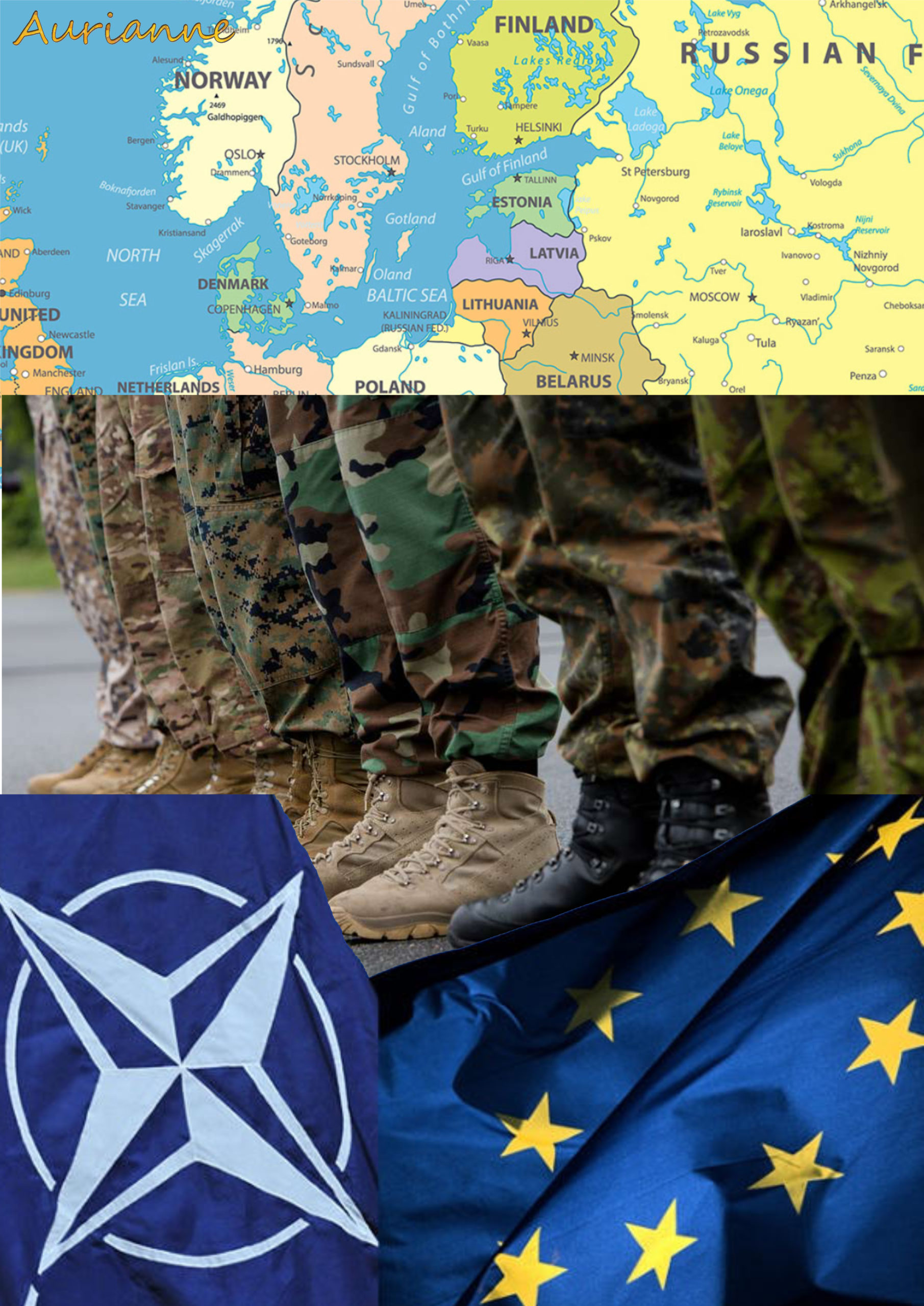
The United States was pulling nearly 12,000 troops out of Germany. To a data analyst, it is a line item on a spreadsheet. To a strategist, it is a repositioning of assets. But for the people living in the shadow of the Ramstein Air Base or the training grounds at Grafenwöhr, it felt like watching a long-time guardian quietly pack their bags in the middle of the night without saying goodbye.
Berlin’s official response was practiced. Controlled. "Expected," they called it. But look closer at the frayed edges of the diplomatic cables. Beneath the stoicism lay a profound, unsettling realization: the tectonic plates of the Atlantic alliance weren’t just shifting. They were cracking.
The Ghost of a Strategy
Imagine a small town where the fire department suddenly decides to move three towns over because they don't like the local mayor's tone. The buildings are still there. The hoses are still coiled. But the security—that invisible blanket that lets you sleep through the night—is gone.
Washington’s justification was framed in the language of modernization and strategic flexibility. They spoke of moving forces closer to the "front lines" in Poland or bringing them back to the shores of the Atlantic to rest and refit. Yet, the timing told a different story. This wasn't a surgical relocation. It was a public reprimand.
The friction had been building for years over defense spending. The 2% GDP target for NATO members had become a blunt instrument, a cudgel used to beat the German government into submission. While the accountants in D.C. crunched the numbers, the soldiers on the ground were left wondering if their presence was a shield or a bargaining chip.
Consider a hypothetical sergeant stationed in Vilseck. Let’s call him Miller. For Miller, Germany isn't a "geopolitical theater." It's where his kids go to school. It's where his wife has a job at the local clinic. It's where he has spent three years building a life that integrates with the village outside the gate. When the order comes to move, he isn't thinking about the strategic oversight of the Suwalki Gap. He is thinking about the sudden, jarring vacuum his departure leaves in the local economy and the emotional bridge that collapses when the Americans leave the neighborhood.
A War of Words Over a Desert Horizon
As the troop withdrawal loomed, a second storm was brewing over a different geography. Iran.
The diplomatic air in Berlin was already thin. Then came the comments from Washington regarding Tehran—sharp, biting, and diametrically opposed to the European approach. While the U.S. moved toward a "maximum pressure" campaign, Germany and its neighbors were desperately clutching the remnants of a nuclear deal they believed was the only thing preventing a regional inferno.
This wasn't just a disagreement over policy. It was a disagreement over the nature of reality.
To the Americans, Iran was a dragon to be slayed or, at the very least, starved. To the Germans, Iran was a volatile neighbor that needed to be contained through the slow, agonizing process of engagement. When the U.S. administration began linking these geopolitical stances to the troop presence in Europe, the message was clear: loyalty is a prerequisite for protection.
The row over Iran turned a logistics debate into an existential crisis. If the United States only protects those who mirror its every move, is it still a leader of an alliance, or is it simply a landlord?
The Invisible Stakes of the Rhine
We often talk about "the West" as if it is a solid block of granite. It isn't. It is a delicate web of trust, spun over generations.
Every time a transport plane departs from a German runway for the last time, a thread in that web snaps. The cost isn't measured in the millions of dollars saved by the Pentagon. It is measured in the growing sense of "Alleinsein"—the feeling of being alone.
Germany has long struggled with its own military identity, haunted by the ghosts of its past. The American presence allowed Germany to be a "civilian power," focusing on industry and diplomacy while the U.S. handled the heavy lifting of deterrence. With that shield being pulled away, Germany is forced to look in the mirror and ask a question it has avoided for seventy years: Who are we when we have to defend ourselves?
The tension in the halls of the Bundestag wasn't just about the 12,000 soldiers. It was about the realization that the post-war era was officially over. The parent had left the house, and the locks were being changed.
The Weight of the Empty Chair
Statistics can be deceptive. They tell you that 6,400 troops will return to the U.S. and 5,600 will be relocated within Europe. They don't tell you about the silence in the local bakery that used to sell a hundred donuts every morning to the base. They don't tell you about the German commanders who now have to redraw maps that were settled decades ago.
There is a specific kind of cold that settles in when a room becomes too big for the people left inside it.
The row over Iran and the withdrawal of troops are two sides of the same coin: a world where the old rules of the "Special Relationship" no longer apply. It is a world of transactional diplomacy, where a tweet can undo a decade of joint exercises.
In the pubs of Kaiserslautern, the regulars still raise a glass. But they glance at the door more often now. They are waiting for a guest who might not be coming back. The boots are departing, and in their wake, the echo of their footsteps is the only thing left to fill the widening gap between two worlds that used to be one.
The rain continues to fall on the Patch Barracks. The lights stay on in the Ministry of Defense. But the warmth has left the building. The alliance isn't dead, but it is shivering, standing on a darkened porch, wondering if the person who just drove away remembers the way back home.