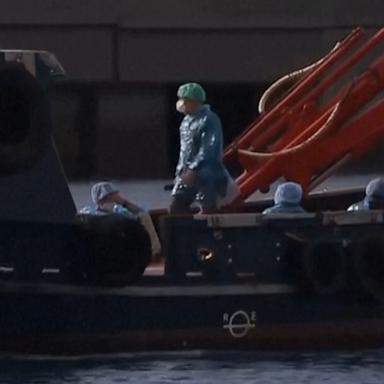
The arrival of the MV Hondius at the port of Granadilla in Tenerife marks more than a routine medical diversion. It is a stark reminder of how quickly a localized viral threat can disrupt the intricate logistics of polar expedition cruising. While initial reports focused on the immediate repatriation of five French passengers, the underlying reality reveals a complex failure of containment and a wake-up call for the luxury adventure sector. Hantavirus is not a standard cruise ship ailment like norovirus. It is a serious zoonotic pathogen that demands a level of bio-security most commercial vessels are simply not equipped to maintain during a standard voyage.
The Hondius, an ice-strengthened vessel designed for the rigors of the Arctic and Antarctica, became an unwitting laboratory for a virus typically associated with rodent exposure. This wasn't a case of tainted buffet food. To understand how a high-end expedition ship ended up in a standoff with Spanish port authorities, one must look at the specific environmental conditions of the ship’s previous ports of call and the long incubation periods that allow such threats to hide in plain sight.
The Granadilla Standoff
When the vessel docked in the Canary Islands, the atmosphere was one of calculated urgency rather than panic. Spanish health officials maintained a strict perimeter. The primary objective was the extraction of the French nationals, but the secondary goal was ensuring the pathogen did not leap from the ship to the mainland. Hantavirus Pulmonary Syndrome (HPS) or Hemorrhagic Fever with Renal Syndrome (HFRS) carry significant mortality rates. You do not treat this with an extra dose of hand sanitizer.
The logistics of moving infected or exposed individuals across international borders during an active outbreak involve a labyrinth of diplomatic and medical protocols. The French government’s decision to fly their citizens out on a Sunday suggests a high level of concern regarding the care facilities available on board or the potential for the condition of those infected to deteriorate rapidly. Modern cruise ships are floating cities, but their infirmaries are essentially stabilized urgent care centers. They are not intensive care units designed for viral hemorrhagic fevers.
Anatomy of a Zoonotic Breach
How does a virus usually found in the excrement of wild rodents find its way onto a vessel designed for polar exploration? The answer usually lies in the supply chain or the shore excursions. In the case of the Hondius, the investigation points toward the ship’s recent history in South America or the remote outposts of the Southern Ocean.
Rodents are the primary reservoirs for hantaviruses. Infection in humans typically occurs through the inhalation of aerosolized viral particles from rodent urine, droppings, or saliva. In a confined maritime environment, the ventilation system becomes a potential liability. If a single storage locker or a shipment of dry goods was contaminated before being loaded, the ship’s HVAC system could, in theory, circulate those particles through passenger quarters.
The Incubation Trap
The most dangerous aspect of this specific outbreak is the timeline. Hantavirus symptoms can take anywhere from one to eight weeks to manifest. This means a passenger could board in Ushuaia, feel perfectly healthy for the entire crossing of the Drake Passage, and only begin to show signs of respiratory distress as the ship nears the equator.
This delay creates a "ghost ship" effect. The source of the infection is often hundreds of miles and several weeks behind the vessel’s current position. For the crew of the Hondius, this made contact tracing an exercise in futility. By the time the first passenger reported a high fever and muscle aches, the entire ship was already a potential hot zone.
The Failure of Industry Standard Screening
For years, the cruise industry has relied on self-reporting health questionnaires. These are effectively useless against pathogens with long incubation periods. A traveler isn't going to report a cough they don't have yet. Furthermore, the financial stakes of these expeditions—often costing upwards of $15,000 per person—incentivize passengers to downplay minor symptoms to avoid being confined to their cabins or denied boarding.
The Hondius incident exposes the gap between luxury marketing and biological reality. Expedition companies sell the dream of "untouched wilderness," but that wilderness comes with ancient, evolved biological threats. The industry has spent decades perfecting its response to gastrointestinal issues, but it remains remarkably vulnerable to respiratory and zoonotic viruses that bypass standard sanitation protocols.
Mechanical and Structural Vulnerabilities
Expedition ships like the MV Hondius are built for durability, not necessarily for clinical-grade isolation. The internal architecture of these vessels prioritizes space efficiency and communal experiences.
- Shared Ventilation: Many older or mid-range expedition vessels do not have HEPA-filtered air circulation for individual cabins.
- Common Areas: The "expedition" ethos encourages mingling in observation lounges and mudrooms, where wet gear is stored in close proximity.
- Supply Loading: Remote ports often lack the stringent pest control measures found in major European or American hubs.
If a rodent-infested crate of produce or equipment is brought into the galley or the hold, the ship's cramped quarters ensure that any aerosolized virus has a short path to a human host. The Hondius was likely a victim of a single point of failure in its logistical chain.
The Economic Aftermath for Expedition Cruising
The financial impact of the Granadilla diversion is significant. Beyond the immediate costs of port fees, medical evacuations, and deep-cleaning services, there is the long-term damage to the brand. The "adventure" market relies on a sense of managed risk. When that risk becomes unmanaged—when a passenger fears a life-threatening viral infection more than a rogue wave—the business model begins to fracture.
We are seeing a shift in how port authorities view these vessels. Spain’s handling of the Hondius was clinical and detached. They provided the necessary assistance but kept the vessel at arm’s length. As more expedition ships venture into increasingly remote and ecologically diverse areas, the likelihood of "spillover" events increases. Port authorities in the Mediterranean and the Atlantic are now updating their protocols to treat expedition ships with the same level of scrutiny as cargo vessels coming from high-risk biological zones.
The Spanish Response as a Benchmark
The decision to allow the ship into Granadilla rather than the more populous Santa Cruz de Tenerife was a strategic move. Granadilla is an industrial port, offering better isolation and easier control over the movement of personnel. This choice reflects a growing sophistication in maritime bio-security. The Spanish Ministry of Health did not just manage a medical crisis; they managed a PR crisis by ensuring the intervention remained localized and invisible to the general tourist population of the islands.
However, the repatriation of the French passengers raises questions about the status of the remaining travelers. If five people were sick enough to warrant a dedicated Sunday flight, the level of exposure for the rest of the manifest is statistically high. Monitoring a ship’s population in the days following such an extraction is a logistical nightmare for the operator, Oceanwide Expeditions.
Rethinking the Expedition Logistics Chain
To prevent a repeat of the Hondius incident, the industry must look beyond the ship itself and scrutinize the entire "shore-to-ship" pipeline. This involves more than just checking for rats in the hold.
It requires a fundamental shift in how supplies are handled in remote ports. Vacuum-sealed packaging for all dry goods, rigorous inspection of gear returned from shore excursions, and perhaps most importantly, an overhaul of shipboard air filtration systems. The current standard is no longer sufficient in an era where zoonotic jumps are becoming more frequent.
The passengers who remained on the Hondius as it sat in the shadow of the Granadilla cranes were not just delayed travelers. They were witnesses to the closing of a loophole in global travel. The era of assuming that a high price tag buys immunity from the raw biological realities of the natural world is over.
Expedition companies must now decide if they are willing to invest in the medical infrastructure necessary to handle high-consequence pathogens. If they do not, they risk becoming pariahs in every port they attempt to enter. The Hondius is a case study in the high cost of being unprepared for a microscopic intruder.
The next time a ship enters a port with a suspected hantavirus outbreak, the authorities might not be so accommodating as to allow a Sunday repatriation. They might simply leave the ship at anchor until the incubation period expires, regardless of the cost to the operator or the comfort of the passengers. The maritime industry needs to treat the Hondius as a final warning.
Invest in medical-grade isolation and rigorous supply-chain bio-security now, or prepare to watch your fleet become a series of expensive, floating quarantine zones.