You don't need to look hard to find old-school coaching methods that cross the line. But when a video emerged showing a veteran Hong Kong basketball coach forcing a teenage student to slap himself in the face, the internet didn't just get mad. The police got involved.
Yung Kam-wah, a 54-year-old former star player for the Hong Kong representative team, was arrested on suspicion of common assault. The arrest followed massive public outcry over footage recorded during a training session at Hon Wah College in Siu Sai Wan. Even though the incident actually took place during the 2023/2024 academic year, its sudden viral spread online forced an immediate response from school management and law enforcement.
This isn't just about one bad day on a court. It exposes a toxic culture in youth sports where physical intimidation hides behind the excuse of building character.
The Reality Behind The Viral Video
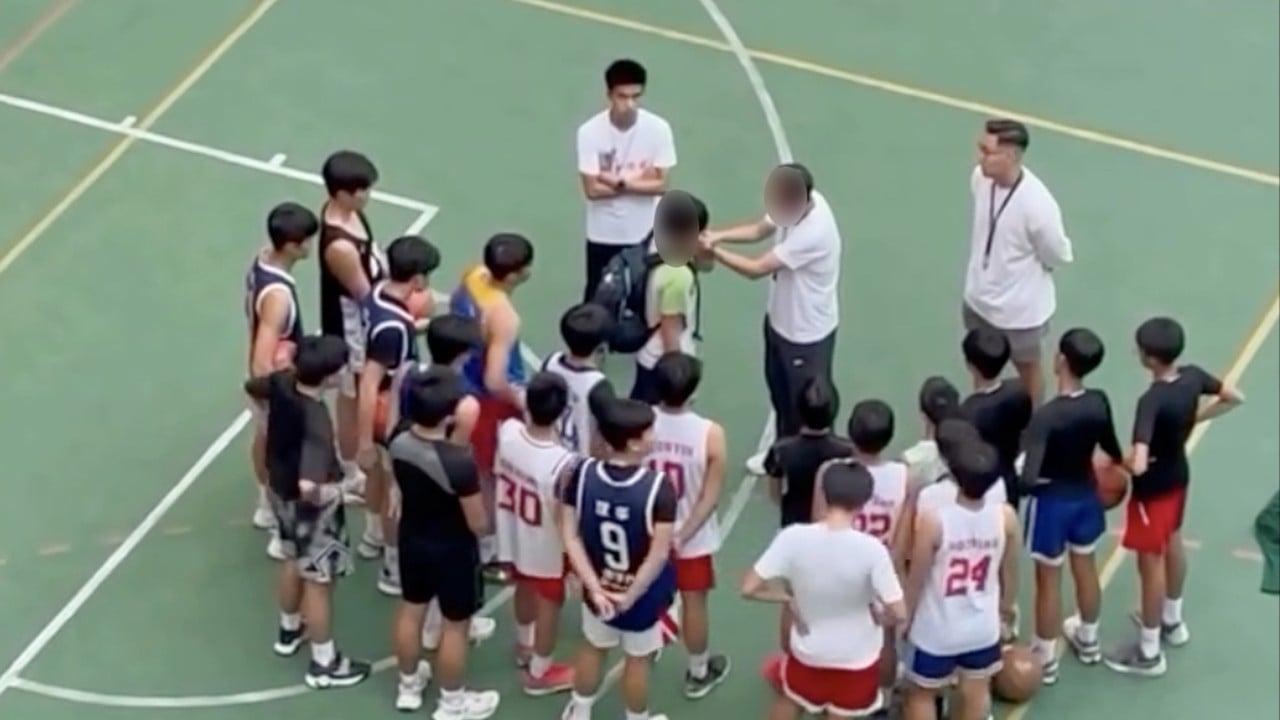
The clip that sparked the outrage is tough to watch. It doesn't show an accidental collision or a heated verbal argument. Instead, Yung is seen grabbing a young student's hand and physically forcing the boy to strike his own face repeatedly. Other youth players stand around watching in silence.
It's a bizarre, humiliating form of corporal punishment. Once the video gained traction, the backlash was swift. Yung issued a public apology on social media, admitting he shouldn't have penalized a student this way under any circumstances. He promised to reflect deeply on his actions.
But apologies don't stop criminal investigations. The incorporated management committee of Hon Wah College suspended Yung from his coaching duties and notified the police. Yung was arrested and later released on bail. He has to report back to the police station in late July as the investigation continues.
Secretary for Education Christine Choi confirmed that the Education Bureau is demanding a detailed report from the school. The government is treating this as a serious breach of student safety guidelines.
Old School Coaching Or Simple Criminal Assault
There's a lingering, dangerous mindset in youth athletics that suffering builds toughness. For decades, coaches got away with throwing chairs, screaming insults, or using physical pain to enforce discipline. We've seen it in global sports programs for generations.
But forcing a child to self-inflict pain crosses a legal and ethical boundary. Hong Kong law defines common assault quite clearly. You don't need to leave a scar or break a bone to commit assault. The act of using physical force to make a student strike himself is enough to trigger criminal liability.
Many veteran coaches struggle to adapt to modern safeguarding standards. They grew up in environments where the coach's word was absolute law. If a coach told you to run until you threw up, you did it. If they clipped you on the ear, you kept quiet.
Times have changed. Parents and schools are no longer willing to tolerate physical humiliation disguised as motivation.
The Hidden Damage Of Public Humiliation
When a coach punishes a player in front of their peers, the psychological impact is often worse than the physical pain. It destroys trust. Youth sports should teach teamwork, resilience, and strategy. When you introduce fear, the learning stops.
The school has reached out to the affected student to provide counseling and psychological support. Letters were sent home to parents offering help to any other kids who witnessed the event. The fact that this happened during a previous academic year means this student carried the weight of that humiliation for months before the public ever saw the footage.
Witnessing this kind of behavior also desensitizes the rest of the team. It teaches young athletes that people in power can use violence to get compliance. That's a terrible lesson to take off the court.
How To Spot A Coach Who Crosses The Line
Parents often struggle to differentiate between a tough, demanding coach and an abusive one. High standards are fine. Aggression is not. If your child is involved in competitive youth sports, you need to watch for the warning signs of a toxic training environment.
- Isolation tactics: The coach insists on completely closed training sessions where parents can never watch.
- Fear-based motivation: Players perform out of terror of making a mistake rather than a desire to win.
- Physical punishments: Using excessive physical conditioning, deprivation of water, or direct physical contact as a penalty for poor performance.
- Shaming: Labeling, insulting, or mocking individual kids in front of the entire team to "break them down."
If you notice your child becoming anxious before practice, losing interest in a sport they love, or coming home with unexplainable injuries, it is time to step in. Talk to other parents. Document what you see. Don't assume the school or club knows what happens behind closed gym doors.
You have to be the advocate. Report suspicious or aggressive behavior directly to the school principal or the governing sports association. If physical contact or corporal punishment is involved, bypass the sports club entirely and go straight to the authorities. Youth sports should be challenging, but they must always be safe.