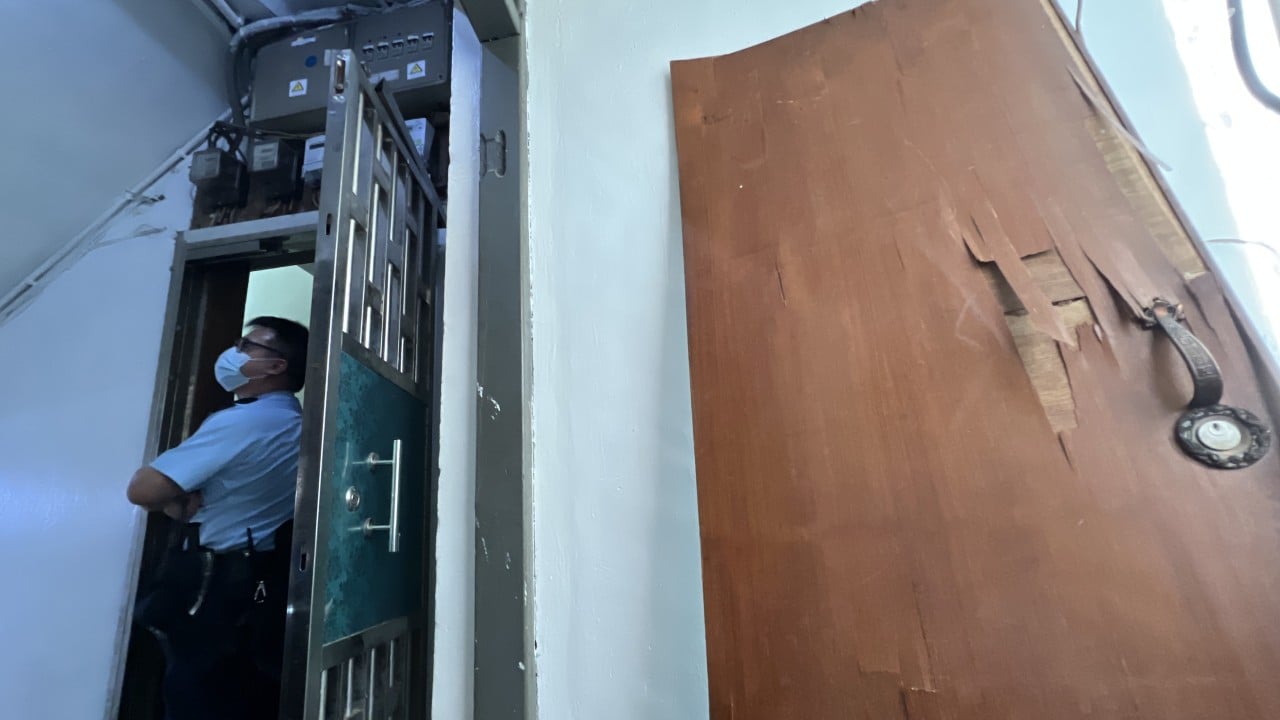
The tragic starvation of a five-year-old boy in Hong Kong, revealed in horrific detail during a recent High Court trial, has triggered the predictable wave of public outrage, hand-wringing, and demands for harsher sentences. The mainstream media has built a comfortable narrative around this tragedy: it is a story of individual depravity, a failure of parental instinct, and an isolated failure of the neighborhood safety net.
They are wrong. Discover more on a related topic: this related article.
By focusing entirely on the monstrous behavior of the caregivers, the public discourse completely misses the systemic rot. This child did not slip through the cracks of a functioning system. He was crushed by a bureaucratic structure that prioritizes parental rights over child safety, treats tracking vulnerable youth as an administrative burden rather than a life-or-death mandate, and operates under an outdated cultural omertà that views family abuse as a private matter.
I have spent years analyzing social policy and institutional failures. The "lazy consensus" dictates that if we simply pass stricter mandatory reporting laws, these tragedies will vanish. But implementing laws without reforming the underlying operational culture is like putting a fresh coat of paint on a collapsing bridge. Additional analysis by Al Jazeera explores similar perspectives on this issue.
The Illusion of Surveillance in a Hyper-Dense City
Hong Kong is one of the most densely populated places on earth. It is a city of micro-apartments, where thin walls ensure that neighbors hear everything from late-night arguments to morning routines. Yet, the defense in these horrific abuse cases routinely relies on the premise that the abuse happened in total isolation, hidden away from the world.
This is a structural lie. The five-year-old victim weighed just 8 kilograms at the time of his death—half the normal weight for his age. His body was covered in over 50 chronic wounds, deep ulcerations, and scabbed lacerations. You do not reach that level of physical degradation without a massive, collective failure of observation from multiple touchpoints in society.
- The School System: The victim had stopped attending kindergarten months before his death. In a highly functional bureaucratic state, a child dropping off the educational radar should trigger an immediate, automated, cross-departmental red flag. Instead, the current system allows paperwork to move at a glacial pace, giving abusers a massive window of impunity.
- The Medical Deficit: When children miss routine vaccinations or developmental check-ups, the system treats it as a logistical inconvenience rather than a potential crime scene.
The standard "People Also Ask" response to these crises is always: How can neighbors prevent child abuse? This question is fundamentally flawed. It shifts the burden of systemic policing onto citizens who lack the authority to intervene. Neighbors cannot legally enter a home. They cannot demand to see a child. When they do call hotlines, they are met with bureaucratic friction, requests for definitive proof, and a lack of anonymity that deters future reporting. The premise that communities can simply "watch out" for each other ignores the reality of modern urban alienation and institutional inertia.
The Fatal Flaw of the Mandated Reporting Band-Aid
In the wake of high-profile tragedies, the government's go-to reflex is to introduce mandatory reporting legislation for professionals like teachers, social workers, and doctors. While structurally necessary, relying on this as a silver bullet is a dangerous mistake.
Here is what actually happens when you introduce blanket mandatory reporting without scaling up the infrastructure to handle it:
- System Flooding: Terrified of facing criminal liability, professionals begin reporting every minor scratch, family argument, or behavioral anomaly. The social work infrastructure becomes completely overwhelmed by low-risk noise.
- Resource Dilution: Case workers who should be kicking down doors to save starving children are instead trapped behind desks, processing thousands of benign files to clear their own legal liability.
- The High-Risk Blind Spot: True abusers, aware of the heightened scrutiny, simply pull their children out of schools and medical networks entirely. The system gets better at catching the clumsy, stressed parent, while creating a deeper underground for the genuinely malicious.
Look at the data from international jurisdictions that implemented aggressive mandatory reporting without corresponding investments in frontline investigative power. In parts of Australia and the United States, child protective services saw a massive spike in reports, but a net decrease in the speed of intervention for critical cases.
The Cult of Parental Sovereignty
The core ideological barrier to protecting children in Hong Kong is the deep-seated legal and cultural bias toward parental sovereignty. The state operates on the assumption that a child is essentially the property of the biological parents until proven otherwise.
This manifests in a legal framework that treats family reunification as the ultimate goal, even when the biological home is a crucible of violence. Social workers are trained to exhaust every possible avenue of counseling, mediation, and support before taking the "drastic" step of removing a child permanently.
This hierarchy of priorities is inverted. A child's right to life and physical integrity must radically supersede a parent's right to custody.
Imagine a scenario where we treated corporate financial fraud the way we treat severe child neglect. If an auditor discovered a company was cooking the books and bleeding assets, the government wouldn't leave the existing management team in place while gently offering them "accounting classes." They would freeze the assets, remove the executives, and launch a criminal probe. Yet, when a child presents with severe malnutrition, we routinely leave them in the custody of their abusers while social services "monitors" the situation through scheduled, predictable visits.
Dismantling the Status Quo
If Hong Kong wants to stop burying starved five-year-olds, it needs to abandon the polite fiction that public awareness campaigns and incremental legal tweaks will solve a systemic emergency.
We must implement an aggressive, uncomfortable overhaul of how the state interacts with the family unit:
- Automated Truancy Triggers: If a child under the age of six misses more than five consecutive days of school or kindergarten without a verified medical certificate from a registered hospital, it must trigger an automatic physical wellness check by law enforcement within 24 hours. No exceptions. No scheduling appointments with the parents.
- Radical Data Integration: Medical records, school attendance, and social welfare databases must be fully integrated. If a parent misses a mandatory developmental milestone check-up and the child is simultaneously flagged for school absence, the system must automatically escalate the case to a high-priority intervention unit.
- The Abolition of the First-Offense Grace Period: In cases of severe physical neglect or starvation, there should be no path to rehabilitation within the original household. The biological connection must be legally severed immediately, and permanently.
The pushback against these measures is predictable: critics will claim they infringe on civil liberties, violate privacy rights, and place an undue burden on state resources. This is the price of institutional cowardice. We have created a system that values the privacy of abusers over the lives of the vulnerable, then acts shocked when the inevitable body count mounts.
Stop asking how society can be more vigilant. Start demanding that the institutions designed to protect the helpless actually do their jobs with ruthless, uncompromising efficiency. The five-year-old boy did not die because his parents were monsters; he died because our systems allowed those monsters to dictate the terms of his existence.