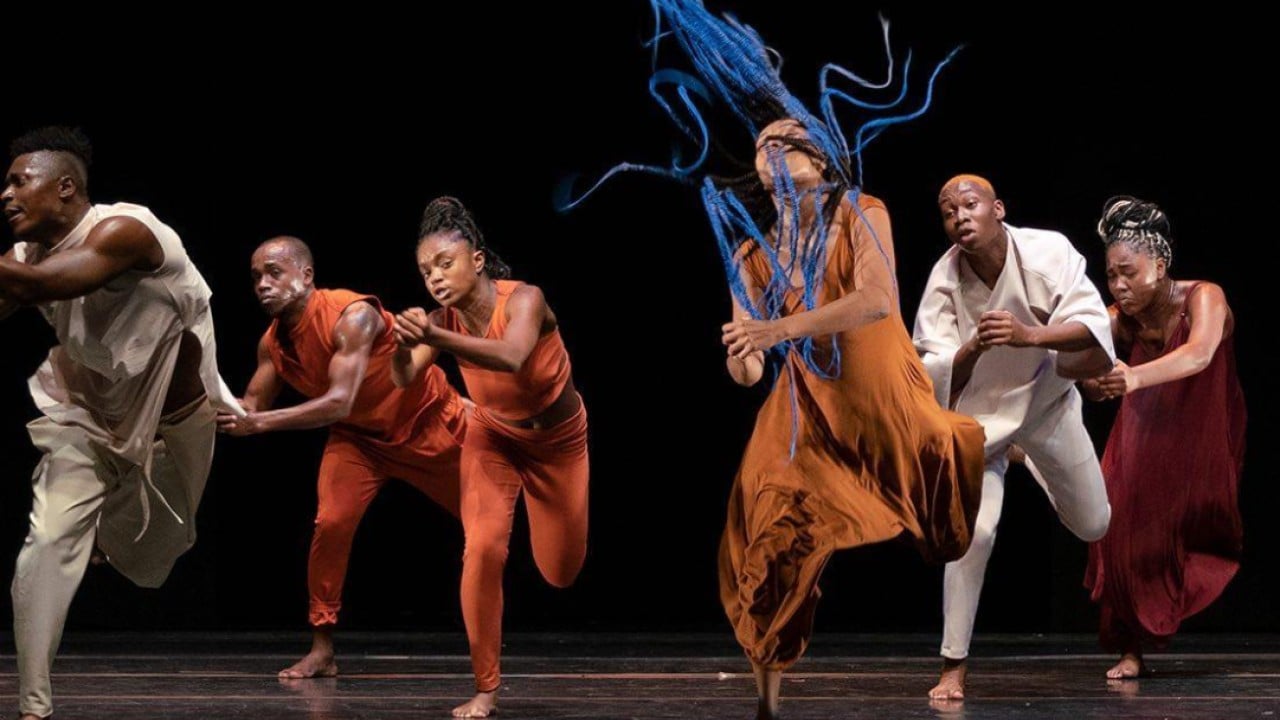
When the Hong Kong Performing Arts Expo (HKPAX) launched its inaugural run in 2024, government officials touted it as a major breakthrough. Backed by HK$42 million in government funding and organized by the Hong Kong Arts Development Council (HKADC), the five-day gathering drew over 1,600 registered industry delegates from 60 countries and pulled in roughly 32,000 audience members.
Now, with the second edition scheduled for October 9 to 13, 2026, the city's arts administrators are gearing up under the theme "Passion in Motion." But beneath the promotional buzz, a sharper question hangs over the event: can HKPAX actually deliver long-term commercial deals and cultural authority during a period of sustained economic headwind?
Measuring success solely by delegate headcounts misses the point. The real challenge isn't filling seats for five days in October; it's proving that Hong Kong can still function as an indispensable transactional hub for the global performing arts market.
The Economic Reality Facing Mega Arts Events
Arts trade fairs don't exist in a vacuum. When regional economies tighten, corporate sponsorship shrinks, public funding comes under intense scrutiny, and touring companies slash international travel budgets.
Hong Kong's broader economic picture adds real friction to this equation. Retail and hospitality sectors are navigating shifting consumer habits, while international arts organizations weigh higher travel costs against actual return on investment. Buying a trade pass, booking flights, and securing hotels in Hong Kong isn't a casual commitment for a mid-sized European dance troupe or an independent Asian theatre ensemble.
HKPAX By The Numbers: 2024 Baseline vs 2026 Targets

Inaugural Edition (2024):
- Delegate Attendance: 1,600+ international & regional delegates
- Public Participation: 32,000+ local performance attendees
- Primary Funding: HK$42 million government allocation
- Participating Regions: 60+ countries and territories

Second Edition (October 9–13, 2026):
- Featured Showcases: 40+ international showcases and pitches
- Core Theme: "Passion in Motion"
- Key Addition: "Hong Kong Chapters" for local independent groups
When delegates pay for standard passes, they expect actual deals, signed touring contracts, co-production agreements, and international distribution opportunities. If an expo operates as a high-priced showcase without generating concrete touring routes across mainland China or Asia, industry interest wanes fast.
The Bridge Function: Greater Bay Area Access vs International Friction
Hong Kong’s core pitch for HKPAX relies on its role as a bridge. The goal is simple: give Western arts presenters direct entry into mainland China’s vast Greater Bay Area (GBA) market, while giving Chinese and Asian performing artists a high-profile platform to catch the eye of global festival programmers.
In theory, that value proposition is hard to beat. In practice, building that bridge requires navigating significant operational hurdles:
- Touring Visas and Approvals: Moving a 30-person theatrical production from Hong Kong into mainland GBA cities involves separate regulatory steps, censorship reviews, and local venue permits. An international presenter booking a show at HKPAX needs confidence that the work can actually travel across the border without getting stalled in bureaucratic delays.
- Budget Realities: Arts groups across Europe and North America face rising operational costs and reduced domestic subsidies. Taking a show on an East Asian tour requires substantial upfront guarantees that regional venues aren't always eager to provide.
- Competition from Established Expos: HKPAX isn't competing in a vacuum. Events like the International Society for the Performing Arts (ISPA) congresses, the Australian Performing Arts Market (APAM), and South Korea's Performing Arts Market in Seoul (PAMS) already hold deep, multi-decade relationships with international buyers.
To stand out, HKPAX 2026 can't rely on being a clone of Western markets. It has to leverage its geography to offer deals that buyers can't get anywhere else.
What the 2026 Lineup Reveals About Strategy
Looking at the structure for October 2026, event organizers are making strategic adjustments to address criticisms from the first run. The introducing of "Hong Kong Chapters" stands out as a direct response to complaints that local independent creators were being overshadowed by large state-backed institutions.
The 2026 layout focuses on four core operational tracks:
- International Showcases: Over 40 curated works spanning dance, drama, music, and xiqu (Chinese opera) presented across 13 venues like the East Kowloon Cultural Centre and WestK's Xiqu Centre.
- Pitching Sessions: Dedicated slots where artists present work-in-progress projects to festival directors, venue operators, and funding bodies.
- Hong Kong Chapters: Short 20-minute presentations designed specifically for local independent artists and mid-sized groups to showcase touring-ready work directly to international programmers.
- Conversations and Networking: Structured "Off-book Debates" and speed-brainstorming sessions aimed at dealing with industry headwinds rather than just trading pleasantries.
By spotlighting 20-minute local pitches alongside international headliners, HKPAX is trying to balance its global mandate with genuine grassroots support. That balance will determine whether the local creative community views the event as a useful utility or an expensive vanity exercise.
Why Long-Term ROI Matters More Than Headcount Metrics
If Hong Kong wants HKPAX to become a staple of the global arts calendar, the government and the HKADC need to change how they measure success.
Press releases typically celebrate total audience turnout and the number of participating countries. But for performing arts practitioners, those metrics don't mean much. The real test comes 12 to 18 months after the event concludes:
- How many Hong Kong productions booked multi-city international tours as a direct result of their pitch?
- How many cross-border co-productions between Asian and Western companies secured funding on the exhibition floor?
- Did international presenters return for a second cycle, or did they decide the trip wasn't worth the budget?
Building a lasting arts marketplace takes time. APAM and PAMS took years to establish the network effects that make them essential annual stops. Hong Kong has the infrastructure, world-class venues, and financial backing to build something similar. What it needs now is patience, clear tracking of deal flows, and an environment where artistic expression can thrive without friction.
Real Steps for Presenters and Artists Attending HKPAX 2026
If you're an artist, producer, or arts administrator planning to participate in HKPAX 2026 from October 9–13, showing up with promotional flyers isn't enough to justify the trip. To extract actual value from a high-stakes trade expo during tight economic times, you need a clear operational strategy:
- Pre-Book Meetings Before Arriving: Don't rely on casual networking sessions or evening mixers. Review the delegate list weeks in advance and lock in face-to-face meetings with programmers whose venues match your scale and technical requirements.
- Clarify Technical and Freight Logistics: If you're pitching a production for mainland China or broader Asian touring, have exact freight specs, touring cast counts, and visa requirements ready. Presenters skip works that look logistically complicated or financially unpredictable.
- Target the Pitching Sessions: If you missed the open call for mainstage showcases, participate actively in the speed-brainstorming and dialogue tracks. Small-footprint works with flexible technical riders often secure more touring dates than massive, logistically heavy productions.
- Track Post-Event Deal Outcomes: Follow up with contacts within two weeks of the expo closing. Treat trade fair leads like a business pipeline—without systematic follow-up, 90% of trade show conversations go nowhere.