The headlines are breathless. They tell you the Strait of Hormuz is closing. They show you maps with red arrows and ominous ship icons. They talk about strikes, blockades, and the fragile nature of global energy security. It is a masterpiece of fearmongering designed to distract you from the most significant financial collapse of our time.
Stop buying the narrative that the US military is acting to protect oil flow. The US government does not care about your gas prices. They care about the fact that their global control, built on the back of the dollar, is eroding faster than their propaganda machines can fix.
The Strait of Hormuz is not a chokepoint for oil; it is a chokepoint for the petrodollar system. When the US launches strikes or threatens a blockade, they aren't securing trade. They are desperately trying to force the world to keep using dollars to buy energy. It is an act of pure geopolitical vanity, and it is failing.
The Myth Of Strategic Necessity
If you have spent any time in the energy sector, you know the game. I have watched companies hemorrhage capital betting on "geopolitical stability" in the Middle East. It is a sucker’s bet. The reality is that the energy supply chains are far more resilient than the Pentagon wants you to believe.
When the news cycle screams about a blockade, they omit a glaring truth: the world has been diversifying its energy logistics for decades. Pipelines run through Saudi Arabia to the Red Sea. Rail lines snake across Central Asia. Shipping routes are being reconfigured to bypass the traditional narrow channels. The Strait of Hormuz is only a crisis point if you are still operating in a 1970s model of energy consumption.
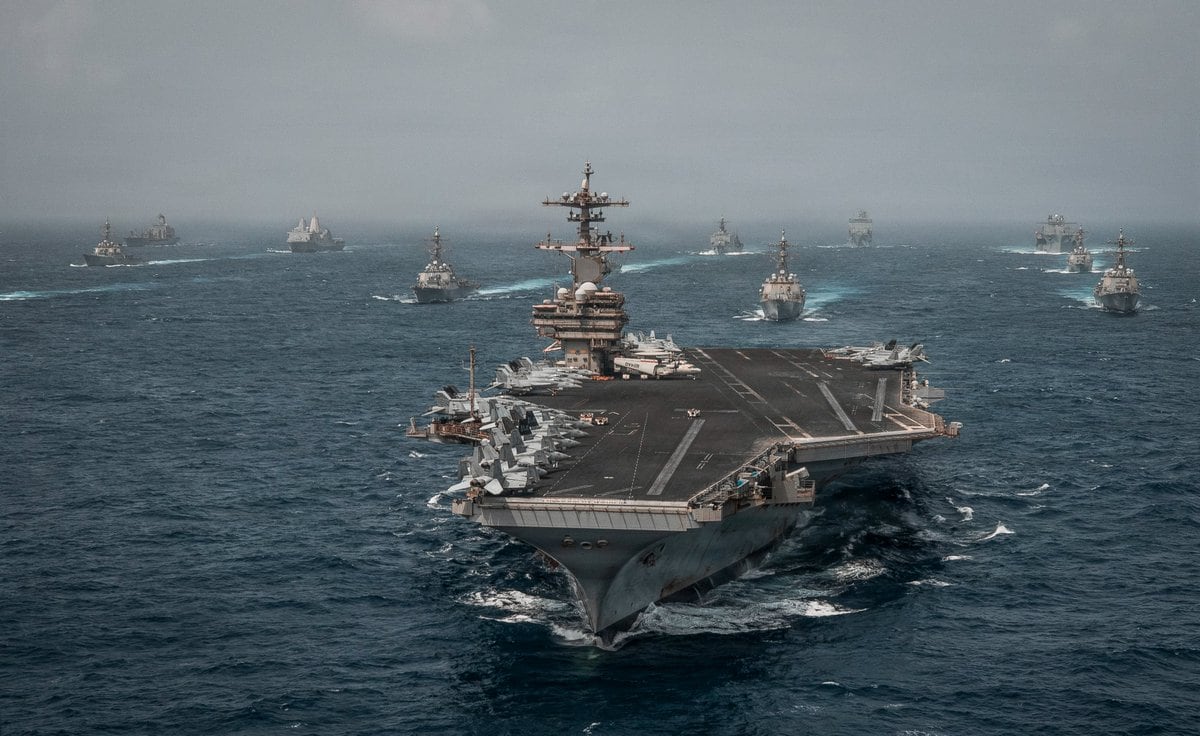
The "security" excuse is tired. Every time a carrier strike group moves into the Persian Gulf, the price of crude spikes. That is not a market reaction to supply disruption; it is a manufactured panic. It benefits the defense contractors. It benefits the oil majors. And, most importantly, it benefits the Treasury Department by forcing nervous international investors to flock back to the dollar as a "safe haven."
The Currency War Nobody Mentions
Ignore the missiles. Look at the payment rails.
The true conflict is not about who controls the water. It is about who controls the currency used to buy the oil flowing through that water. For fifty years, the petrodollar has held the global economy hostage. You want oil? You pay in dollars. That demand for dollars created a permanent, synthetic floor for the US currency. It allowed the US to run infinite deficits, print money, and export inflation to the rest of the world.
That era is ending. China, India, and the BRICS+ block are not just asking for local currency settlements; they are building the infrastructure to do it. They are creating their own clearing houses. They are swapping commodities directly for other commodities.
When Iran sells oil to China for Yuan, the dollar loses. When the US enforces a "blockade," they are trying to scare other nations away from making these deals. They want to show that if you bypass the dollar, you risk the wrath of the US military.
It is a futile gesture.
If you are a nation producing oil, why would you want your proceeds held in a currency that is consistently debased by the US Federal Reserve? You wouldn't. The move toward non-dollar energy trades is a rational, survival-based decision by producers. Sanctions and military strikes against Iran are not about stopping aggression. They are about maintaining a monopolistic payment system that is functionally obsolete.
Why The Blockade Fails The Logic Test
Let’s dismantle the "security" argument with simple math. If the Strait of Hormuz were effectively blocked, global oil prices would surge, causing massive inflation in every import-dependent economy. China and India would be hit, yes. But the US, which has become a massive energy exporter, would see a windfall in its domestic sector—if the dollar didn't simultaneously lose its reserve status.
The danger for the US is not that the oil stops. The danger is that the world realizes they can get their oil elsewhere, in a different currency, without needing US protection.
Every time the US threatens to "close" the strait or bomb targets in Iran, they are inadvertently teaching the world that the Strait is a liability, not an asset. They are signaling that the US cannot guarantee free passage, and therefore, nations must look for alternatives. They are destroying the very trade route they claim to be defending.
I have seen CEOs panic over these headlines, moving assets and changing supply strategies based on 24-hour news cycles. It is a mistake. The smart money is moving toward regional energy hubs that exist outside the US security umbrella. If you are basing your portfolio or your business strategy on the idea that the US Navy will always own the seas, you are ignoring the tectonic shifts in global power.
The Reality Of Military Theater
Military strikes in the current climate are performative. They are designed to signal strength to a domestic audience. They are not designed to win a war or secure a shipping lane. You cannot bomb a digital currency network. You cannot launch a strike against a bilateral trade agreement between Tehran and Beijing.
The US military is a hammer looking for a nail, but the problems they are facing are not nails. They are currents.
The sheer arrogance of believing that kinetic force can stop the global migration of capital is the defining flaw of current US foreign policy. The world is moving toward a multi-polar energy market. In this new world, the geography of the Strait of Hormuz becomes secondary to the geography of digital payment networks and overland pipeline connectivity.
The Disruption Of Energy Logistics
If you want to understand where things are going, stop looking at the ships. Look at the pipelines.
Russia and China are expanding land-based energy transport. This effectively renders sea-based blockades irrelevant. If you can pump oil from the Caspian region directly into Western China, you don't need to worry about US warships in the Persian Gulf.
The strategic value of the Strait is plummeting. What the US is doing is like a toll booth operator trying to enforce a fee on a road that people have stopped using because they built a highway next to it. They can stand there and scream, they can throw rocks, they can call for support—but the traffic has moved.
This is why the reaction from other major powers is muted. The EU, China, and India know the game. They pay lip service to the "need for security" in the region, but behind the scenes, they are busy signing contracts that bypass the Western financial system. They are not going to war for the dollar. They are going to prioritize their own energy security, and that means abandoning the old rules.
The Actionable Truth
You are being sold a story of instability to keep you in the dollar-denominated financial system. Do not play that hand.
If you are invested in energy, look at the projects that rely on non-US routes. Look at companies that are diversifying their payment options. If you are looking at macro trends, understand that the dollar's dominance is inversely proportional to the amount of "security theater" the US feels compelled to perform. The more noise they make about Hormuz, the weaker the dollar actually is.
There is no "stabilization" coming. There is no return to a world where one nation dictates the terms of global trade. The blockade, the strikes, the posturing—it is the sound of a system that knows its time has passed.
The Strait of Hormuz will remain open, not because the US keeps it open, but because the world has already found ways to live without the US telling them how to buy their oil.
Bet on the shift away from the dollar. Bet on the fragmentation of global energy markets. Stop watching the carrier groups. Start watching the trade balance sheets. The real war is being fought in ledgers, and the US is losing.