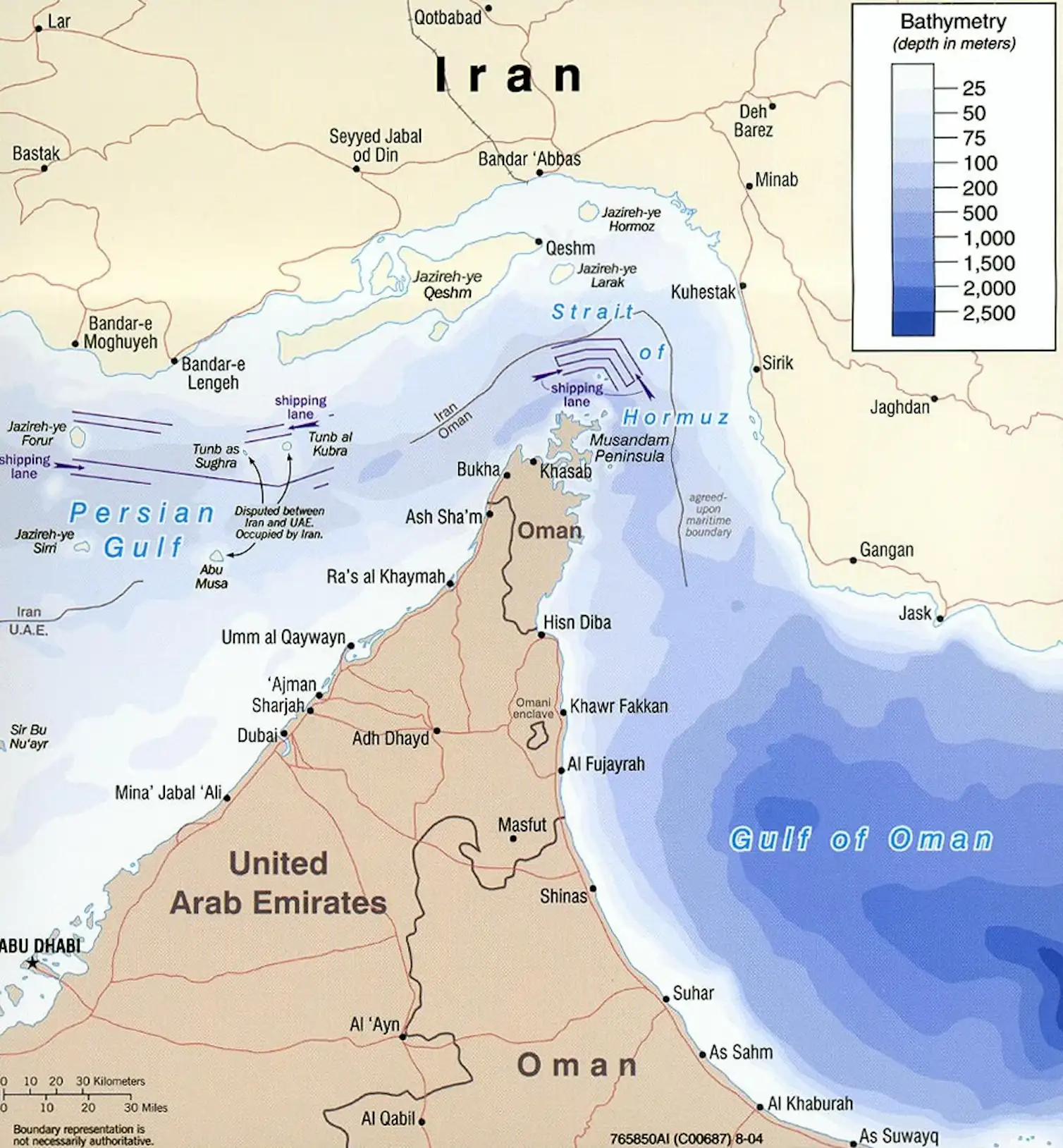
Donald Trump claims he has "largely negotiated" a peace deal with Iran that would reopen the Strait of Hormuz, effectively ending a three-month naval war that has choked 20% of the world’s oil supply. The announcement, delivered with characteristic bravado on Truth Social, suggests a memorandum of understanding is imminent. If true, the blockade of Iranian ports would lift, and the global energy crisis—which pushed Brent crude toward $104 a barrel—might finally break.
However, the reality behind the scenes is far more precarious than a social media post suggests. Sources in Tehran and Islamabad indicate that while the framework for a ceasefire exists, the most explosive elements of the conflict remain unresolved. The deal, brokered primarily by Pakistan, separates the immediate reopening of the waterway from the long-term dismantling of Iran’s nuclear program. This "de-escalation first" strategy buys time, but it also leaves a 60-day window where the world’s most dangerous friction point remains under a fragile, unverified truce.
The Pakistan Connection
The most overlooked factor in this breakthrough is not Washington or Jerusalem, but Islamabad. Pakistani Army Chief Asim Munir has emerged as the unlikely pivot point in these negotiations. For weeks, Munir has shuttled between Tehran and Riyadh, acting as a buffer for a Trump administration that prefers high-stakes bilateralism over traditional multilateral diplomacy.
Pakistan has a unique leverage here. It shares a border with Iran and a deep, if complicated, security relationship with the United States. By positioning itself as the guarantor of the "Peace Memorandum," Pakistan is seeking to stabilize its own crumbling economy while preventing a regional conflagration that would inevitably spill over its borders. The deal supposedly involves Iran diluting a portion of its 60% enriched uranium and transferring the remainder to a third country. While Russia has been floated as the destination, the logistical nightmare of moving 441 kilograms of highly sensitive material during an active ceasefire cannot be overstated.
The Sovereignty Trap
Tehran’s primary demand isn't just about sanctions relief; it is about a fundamental shift in how the Strait of Hormuz is policed. Iranian officials have recently asserted a "legal right" to manage the waterway, a claim that challenges decades of international maritime law.
Under the proposed agreement, Iran would allow merchant vessels to pass, but the technicalities of that "permission" are where the deal could still collapse. If the U.S. recognizes Iranian authority over the strait even implicitly, it upends the global precedent of freedom of navigation. Industry analysts warn that shipping companies remain hesitant. Insurance premiums for tankers transiting the Gulf haven't dropped significantly because the underlying threat—Iranian shore-to-ship missiles—remains in place. A memorandum of understanding is not a physical clearing of the mines.
The Nuclear Countdown
The most glaring gap in Trump’s "largely negotiated" deal is the 60-day deadline for nuclear compliance. The U.S. has demanded "zero enrichment." Iran has called this a fantasy.
By pushing the nuclear issue into a separate 60-day negotiation window, the administration is betting that the economic relief of reopening the strait will make Tehran more pliable. It is a massive gamble. Iran has used similar windows in the past to buy time, hide assets, or harden facilities. Prime Minister Benjamin Netanyahu has already signaled to Trump that Israel will not be bound by any agreement that does not include immediate, intrusive inspections.
The current framework involves three stages:
- A formal end to the war and the lifting of the U.S. naval blockade.
- The restoration of shipping through the Strait of Hormuz.
- A two-month period to finalize the "dilution" of uranium stockpiles.
Critics argue this sequence gives Iran everything it wants upfront—port access and oil revenue—while the U.S. is left with nothing but a promise of future talks.
Market Skeptics
Energy markets reacted with a cautious dip, but the "Trump Premium" on oil remains. Traders remember 2018. They remember the "Maximum Pressure" campaign. They also remember that a ceasefire in this region is often just a period of reloading.
The global energy crisis has hit fertilizer and food costs the hardest. Even if tankers start moving tomorrow, the backlog and the damage to infrastructure mean it will take months for prices at the pump to reflect the peace. If the 60-day nuclear talks fail, the U.S. will likely return to the blockade, and we will be right back at $120 oil.
The real test of this deal isn't Trump’s signature or a handshake in Islamabad. It is the first tanker that sails through the strait without an escort. Until that happens, this "largely negotiated" deal is just paper. The path to a genuine resolution requires more than a memorandum; it requires a level of trust that has not existed between Washington and Tehran for nearly half a century.
Negotiations are ongoing. The world is waiting.


