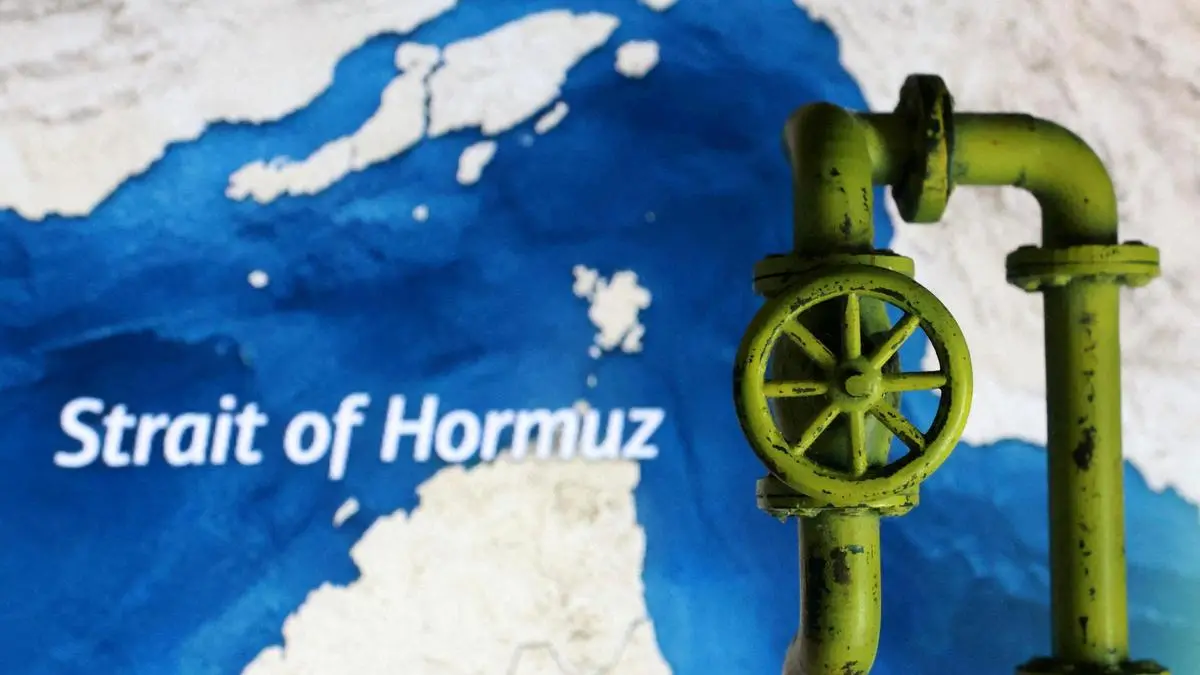
The UN Security Council is set to vote this Tuesday on a resolution regarding the Strait of Hormuz that looks nothing like its original draft. Diplomats have spent the last forty-eight hours hacking away at the language to avoid a certain veto from Russia or China. Most people see "watered-down" and think "useless." That's a mistake. In the high-stakes world of maritime security, even a weak piece of paper is a heavy-duty signal.
The Strait of Hormuz is the world’s most sensitive chokepoint. It’s a narrow strip of water where about a fifth of the world's liquid petroleum passes through daily. When things get tense there, your gas prices go up. It’s that simple. The current resolution aims to address recent seizures and "interference" with commercial vessels, but it’s doing so with its hands tied behind its back.
The Reality of a Watered Down Resolution
Drafting these documents is basically a game of linguistic chicken. The original text likely contained sharp condemnations of specific actors—everyone knows we're talking about Iran—and或许 even threatened sanctions or "all necessary measures." You won't find that in the version hitting the floor on Tuesday. Instead, you'll see phrases like "calls for restraint" and "importance of freedom of navigation."
Why bother? Because a unanimous vote on a weak resolution is often more powerful than a failed vote on a strong one. If the Council passes this, it establishes a formal record. It says the international community is officially watching. Russia and China are hesitant to sign anything that looks like a green light for Western military intervention. By stripping the "teeth" out of the text, the sponsors are trying to get those two to at least stay neutral or vote yes.
It’s frustrating to watch. You want the UN to be a global police force, but it’s really more of a global HR department. They can't fire anyone, but they can make the "personnel file" look very bad for future litigation.
What’s Missing from the Final Draft
If you compare the early rumors to the Tuesday vote, the gaps are massive. First, you won't see any mention of a specific country by name. This is standard UN cowardice, but it's particularly glaring when everyone knows which navy is stopping the tankers. Second, there’s no mechanism for enforcement. There is no "Hormuz Task Force" being created under this banner.
I've talked to maritime analysts who think this is just window dressing. They’re partly right. If you’re a ship captain in the Gulf, this resolution doesn't put an extra destroyer on your flank. But it does provide a legal framework for countries like the U.S., UK, and France to justify their own "defensive" presence. They can point to the resolution and say they’re merely upholding the will of the Council.
The language has shifted from "condemning illegal acts" to "expressing concern over incidents." That’s a huge climb down. It’s the difference between a judge sentencing you and a neighbor shaking their finger at you. But in diplomacy, that finger-shaking is often the first step toward something much bigger.
The Economic Stakes for Every Driver
Don't think for a second this is just about boats and bureaucrats. The Strait of Hormuz is roughly 21 miles wide at its narrowest point. The shipping lanes themselves are only about two miles wide. It’s a literal bottleneck.
When a resolution like this comes up, the markets react. If the vote fails on Tuesday because of a veto, oil traders get nervous. Nervousness leads to speculation, and speculation leads to you paying more at the pump. Even a "watered-down" resolution provides a weird kind of stability. It tells the markets that the big powers are at least talking, rather than just loading torpedoes.
- 20% of global oil flows through here.
- LNG (Liquified Natural Gas) exports from Qatar depend entirely on this passage.
- Insurance premiums for tankers skyrocket the moment a "security incident" is reported.
The real goal of this Tuesday vote isn't to stop a war. It's to stop an economic panic. By getting a resolution on the books, the UN tries to lower the "risk temperature" of the region.
Why Russia and China Hold the Keys
You can't understand the Hormuz situation without looking at the Moscow-Beijing axis. China is the world's largest oil importer. They need the Strait open more than anyone else. Yet, they often side with Iran to counter American influence in the Middle East. It’s a weird contradiction. They want the oil, but they don't want the U.S. Navy to be the ones protecting it.
Russia, on the other hand, benefits from high oil prices. Conflict in the Gulf usually means more money for the Kremlin. However, they don't want a full-scale war that could destabilize their own interests in Syria or the broader region.
Tuesday’s vote is a test of this dynamic. If the resolution is weak enough for Russia to let it pass, it means they aren't ready to burn the bridge with the West over maritime law. If they veto it anyway? Then we’re in for a very rough summer.
Preparing for the Outcome
When the news breaks on Tuesday afternoon, look past the headlines. Don't just read "UN Passes Resolution." Look for the vote count. Did anyone abstain? If the resolution passes 15-0, it’s a sign of rare (if shallow) global unity. If it’s 13-0 with two abstentions, the tension is still simmering just below the surface.
Shipping companies aren't waiting for the UN. They’re already hiring private security and changing routes where possible, though you can't really "route around" the Persian Gulf. The next step for the international community isn't more paperwork. It’s the buildup of "defensive coalitions" outside of the UN framework.
Watch the oil futures the minute the vote is announced. That’s the only poll that truly matters. If the price drops or stays flat, the "watered-down" strategy worked. If it spikes, the diplomats failed to convince the world that the Strait is safe. Keep your eyes on the shipping insurance rates in the coming week. Those numbers tell the truth that a UN press release won't.


