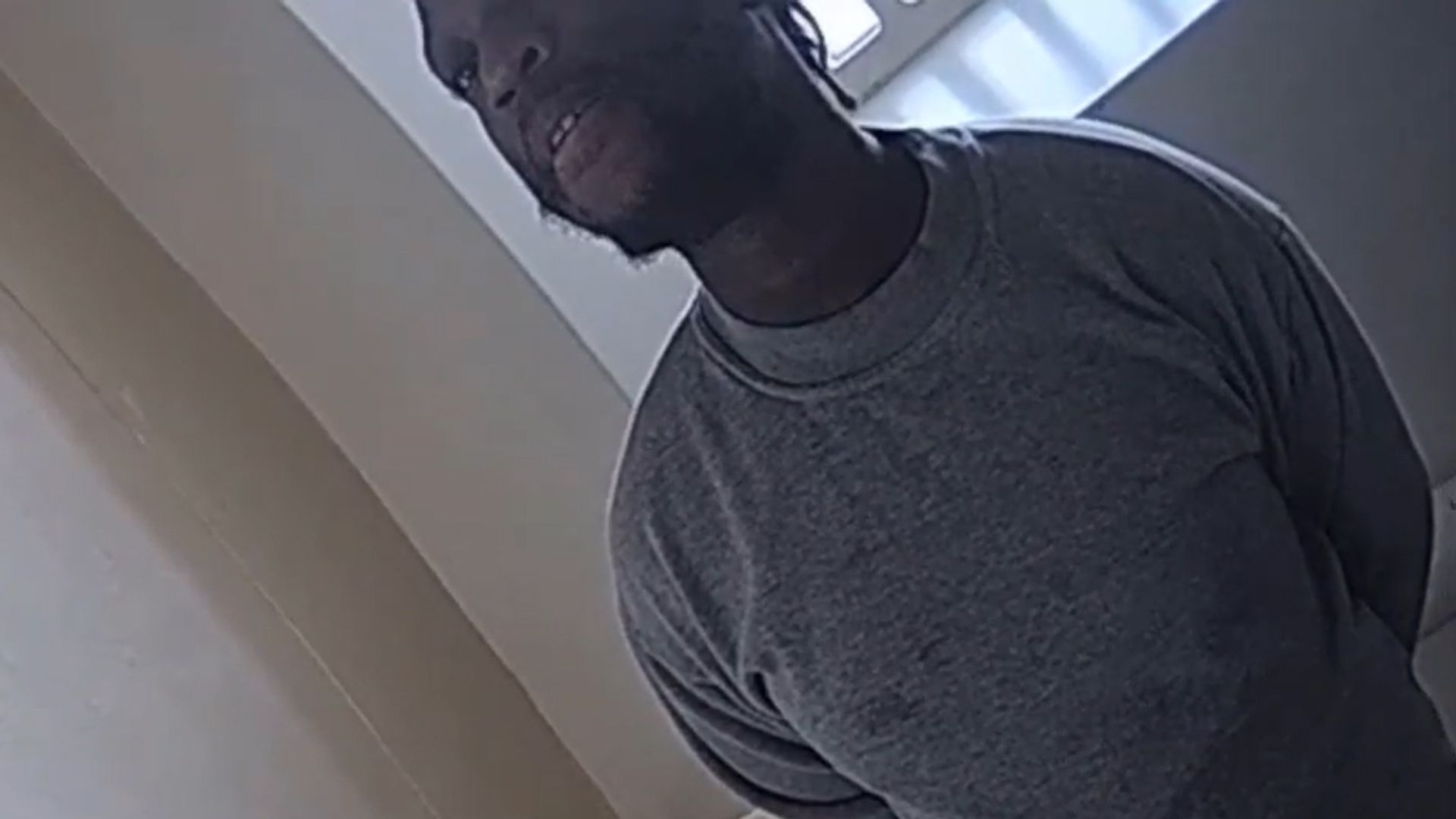
The footage is jarring because of how mundane it becomes within seconds. You see a man who was once a multi-platinum rock star, Ian Watkins, lying on the floor of a prison cell after a brutal assault. He’s bleeding. He’s surrounded by guards. And the first thing the man accused of the attack wants to do is play Sudoku.
This isn't a scene from a scripted crime drama. It’s a raw look at the atmosphere inside HMP Wakefield, often nicknamed "Monster Mansion" for its population of high-profile, high-risk offenders. The video, which surfaced during the legal proceedings of the men charged with the 2023 attack, highlights a bizarre disconnect between extreme violence and the repetitive, almost boring nature of long-term incarceration.
The day the Lostprophets singer was cornered
On August 5, 2023, the routine of HMP Wakefield broke. Ian Watkins, the former frontman of the Welsh band Lostprophets, was serving a 29-year sentence for a series of horrific child sex offenses. He was targeted in what appeared to be a coordinated hit by fellow inmates.
The security video shows the immediate aftermath. Watkins is on the ground, clearly in pain and needing medical attention. The attackers didn't just want to hurt him; they wanted to humiliate him. While prison staff scrambled to secure the area and provide first aid, the primary suspect, Stephen Jackson, remained eerily calm.
Instead of showing remorse or even the adrenaline-fueled aggression you’d expect after a stabbing, Jackson’s focus shifted instantly. He didn't want to talk about the blood. He didn't want to talk about the motive. He asked the officers if he could go back to his cell to play Sudoku.
Why the Sudoku request matters
It sounds like a dark joke, but it tells us everything we need to know about the psychology of long-term prisoners. When you’re locked up for decades, the world shrinks. Big events—even a violent assault—get swallowed by the crushing need for routine.
Jackson’s request reveals a level of institutionalization that’s hard for people on the outside to wrap their heads around. To him, the "job" was done. The next thing on his schedule was a puzzle. This total lack of empathy or emotional reaction is a hallmark of the environment inside Wakefield. It’s a place where the most heinous crimes are yesterday's news and the only thing that matters is how you kill the next hour.
The video also puts a spotlight on the sheer difficulty of protecting high-profile targets like Watkins. Despite being in a high-security facility, he was reached. It shows that in the prison hierarchy, certain crimes make you a permanent target, regardless of how many guards are on the clock.
Security failures and the Monster Mansion reputation
HMP Wakefield holds some of the most dangerous men in the UK. We’re talking about serial killers, terrorists, and child predators. Keeping the peace there isn't just about locking doors; it's about managing a constant, simmering tension.
The attack on Watkins lasted several minutes before it was broken up. That’s an eternity in a high-security wing. The footage raises uncomfortable questions for the Ministry of Justice.
- How did the inmates get the weapons?
- Why was there a window of opportunity long enough for a three-on-one assault?
- Is "protective custody" actually a myth in these older Victorian-style prisons?
People often have zero sympathy for someone like Watkins given the nature of his crimes. That’s understandable. But from a purely operational standpoint, these lapses in security are a nightmare for the prison service. If they can’t protect a high-profile inmate everyone knows is a target, they can't protect anyone.
The legal fallout of the attack
Following the incident, three men were charged. Stephen Jackson, John Westland, and Jason Trueman faced the music in court. The trial didn't just focus on the physical injuries Watkins sustained—which were significant—but on the premeditated nature of the strike.
The prosecution used the bodycam and CCTV footage to paint a picture of a calculated move. The defense had a harder time, especially with Jackson’s "Sudoku" comment on record. It’s hard to argue a crime of passion or a sudden lapse in judgment when the defendant is more worried about his logic puzzles than the man he just left for dead.
Watkins was eventually returned to the prison system after hospital treatment. He didn't die, though reports suggested he was "minutes away" from it during the peak of the assault. For the attackers, the consequences were simply more time added to their already lengthy stays. In a place like Wakefield, where many aren't ever going home, the threat of more time doesn't always work as a deterrent.
Managing high-risk offenders in 2026
The prison system is currently under more pressure than ever. Overcrowding is a constant headline, and staffing levels are often dangerously low. When you combine those factors with a population of men who have nothing to lose, you get the chaos seen in the Watkins video.
If you’re following this case because you’re interested in prison reform or criminal justice, the takeaway is clear: the current model of "segregation" is struggling. High-profile inmates are often moved between HMP Wakefield, HMP Belmarsh, and HMP Frankland to keep them ahead of "hits," but the information travels through the prison grapevine faster than the inmates do.
To see real change, the focus has to shift toward physical infrastructure that prevents group ambushes in blind spots. Until then, these videos will keep surfacing. They serve as a grim reminder that justice inside the walls is often much more violent than the justice handed down in a courtroom.
Pay attention to the upcoming reports from the Independent Monitoring Board (IMB). They usually release annual findings on the safety and welfare of prisoners in Wakefield. Those reports provide the data that backs up the chaos we see in these leaked videos. If you want to understand the true state of UK prisons, start with the IMB's deep-dive statistics on violence and self-harm rates within the high-security estate.