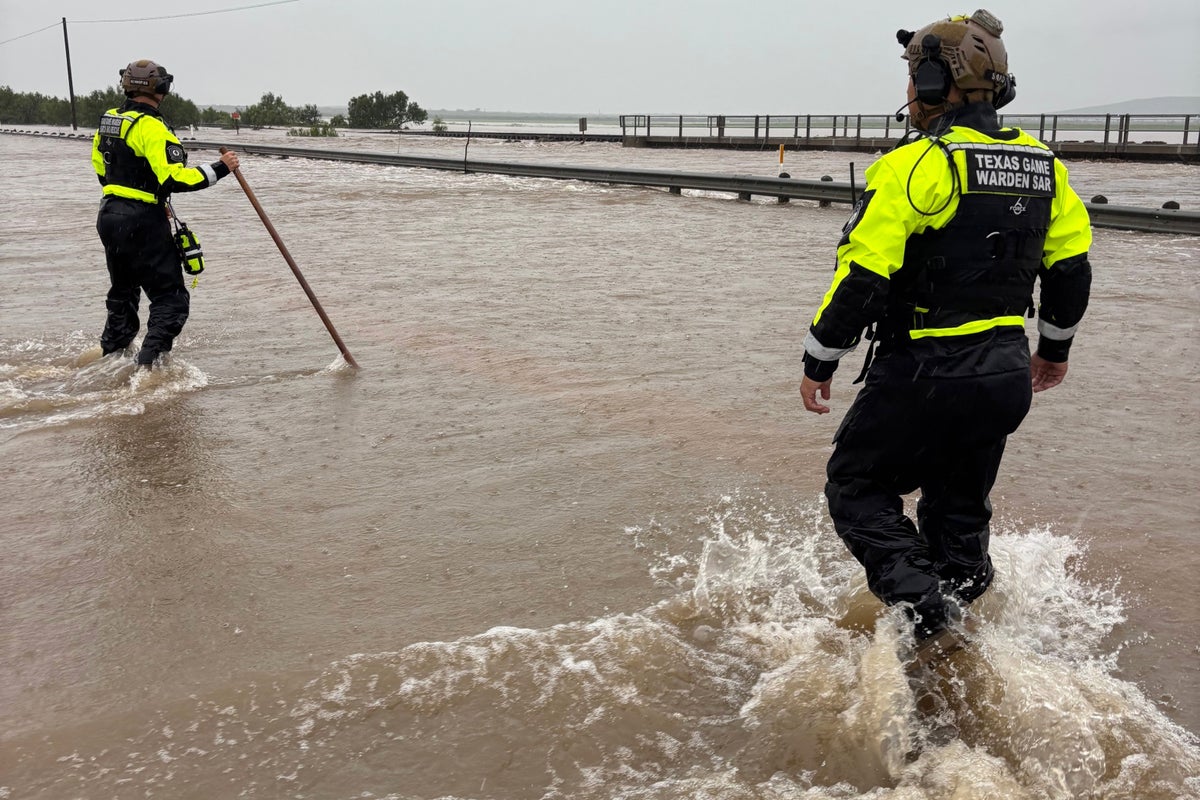
Federal agents are officially stepping off the gas.
U.S. Immigration and Customs Enforcement (ICE) has issued a temporary, nationwide order directing its officers to suspend most types of vehicle stops and pursuits. It is a massive, sudden shift in tactics that hits right at the peak of the administration’s aggressive immigration enforcement campaign.
If you are wondering why a federal agency known for high-stakes apprehensions would suddenly put the brakes on one of its main street-level tactics, you do not have to look far. Two fatal shootings involving ICE agents happened in the span of just nine days, throwing the agency's pursuit methods into a harsh spotlight.
Here is what is actually going on behind the scenes, why the agency made this call, and what happens next on the ground.
The Two Shootings That Triggered the Directive
To understand how we got here, we have to look at what happened in Texas and Maine. Street encounters by federal agents escalated to lethal force in rapid succession, forcing the Department of Homeland Security (DHS) to step in.
The first incident happened on July 7, 2026, in Houston. ICE agents in unmarked vehicles confronted 52-year-old Lorenzo Salgado Araujo while he was driving members of his construction crew to a job site. The agency claims agents acted in self-defense after Salgado Araujo allegedly tried to ram an ICE vehicle and ignored commands. However, passengers in his van strongly dispute this, claiming ICE vehicles struck them first. The Harris County District Attorney’s Office has launched an independent investigation.
Just one week later, on July 13, 2026, a second fatal encounter unfolded in Biddeford, Maine. ICE agents conducting surveillance tried to stop a vehicle leaving an area. The driver attempted to flee, and an officer fired, killing him.
With immigrant rights groups protesting and local authorities asking tough questions, Homeland Security Secretary Markwayne Mullin issued the directive to temporarily pause the practice.
What the New Rules Actually Say
Don't assume this means ICE is shutting down operations. The agency is in the middle of a massive enforcement push, having logged over 10,000 arrests in a single five-day period at the end of June. But the rules of engagement on the road have changed.
- The Core Ban: Officers are ordered to stop chasing or pulling over vehicles to arrest suspected undocumented immigrants.
- The "Serious Criminal" Exception: Enforcement and Removal Operations (ERO) officers can still assist local police with vehicle stops if they are targeting specific, high-level criminal suspects named in judicial warrants.
- A Halt on Off-Site Tracking: Agents cannot follow suspects away from their homes or workplaces to pull them over in transit.
Basically, if an officer does not have a judicial warrant for a serious criminal target, they cannot pull a car over.
The reasoning is simple. Vehicle stops are incredibly unpredictable. When plainclothes agents in unmarked cars initiate a stop, drivers often do not realize they are dealing with law enforcement. Panic sets in, the driver hits the gas, and a routine inquiry turns into a high-speed chase or a fatal shooting.
Why Vehicle Stops Are Legal Minefields for ICE
Even before these shootings, vehicle stops were a massive legal headache for the agency. Unlike local police officers, ICE agents cannot pull someone over for a broken taillight or speeding.
By law, to pull over a vehicle in the interior of the country, federal agents must have specific, articulable facts that suggest a person inside the vehicle is in the country illegally. They cannot rely on racial profiling or the fact that a vehicle is driving near a known day-laborer site.
Furthermore, if ICE makes a warrantless arrest after a vehicle stop, they have to prove the suspect was "likely to escape" before they could obtain a warrant. If agents fail to document these specific details on federal arrest forms, judges can throw the case out and release the detainee.
The temporary ban gives DHS a chance to pull officers back, reassess their tactics, and implement mandatory retraining.
How This Impacts Immigration Enforcement on the Ground
If you are expecting immigration arrests to drop off a cliff, do not hold your breath. This is a tactical pause, not a policy retreat.
ICE is highly adaptive. While vehicle pursuits are off the table for now, you can expect agents to rely more heavily on other tactics. Officers will likely focus on home and workplace arrests, where they can plan encounters in controlled environments. They will also rely more on digital surveillance and data sharing with local jail systems to pick up targets rather than trying to snatch them off the highway.
The agency has not announced a formal end date for this temporary directive. Officers will have to undergo specific training modules on de-escalation and vehicle stop tactics before the restriction is lifted.
For now, the focus is on containing the political and legal fallout from the Houston and Maine deaths. High-speed chases in residential areas carry too much risk, and the federal government decided the liability is simply too high to keep ignoring.