Tottenham Hotspur is at a crossroads and Igor Tudor just laid it out in the most brutal way possible. After a disappointing string of results, the Lazio manager didn't hold back when discussing the state of his former rivals. He basically told the Spurs squad they have two choices. They can either cry about their misfortune or they can fight to change it. It sounds like a cliché from a mid-market sports movie, but for this specific club at this specific moment, it’s the only truth that matters.
The London club has spent years oscillating between brilliance and total collapse. One week they’re taking down giants, and the next they’re stumbling against teams they should beat in their sleep. Tudor, a man known for a "no-nonsense" approach that borders on the aggressive, recognizes that the tactical side of the game is secondary right now. When a team loses its edge, the X’s and O’s don't mean a thing if the players aren't willing to run through a brick wall for the shirt. You might also find this similar coverage useful: The Myth of Ronaldo's Last Dance and Why Football Media Refuses to Let Him Retire.
The Problem With the Spurs Identity
For a long time, "Spursy" was the label slapped on any team that found a way to snatch defeat from the jaws of victory. It’s a label that fans hate and rivals love. But labels don't just appear out of nowhere. They’re earned. Under various managers, from Pochettino to Conte and now Postecoglou, the same ghost haunts the dressing room. It’s a lack of "killer instinct."
Igor Tudor’s "cry or fight" comment hits the nerve because it addresses the emotional fragility that seems baked into the club's DNA. If you look at the stats from the last few seasons, Tottenham consistently ranks high in possession and "expected goals," yet they often fail the eye test when the pressure is highest. As reported in detailed reports by Yahoo Sports, the implications are worth noting.
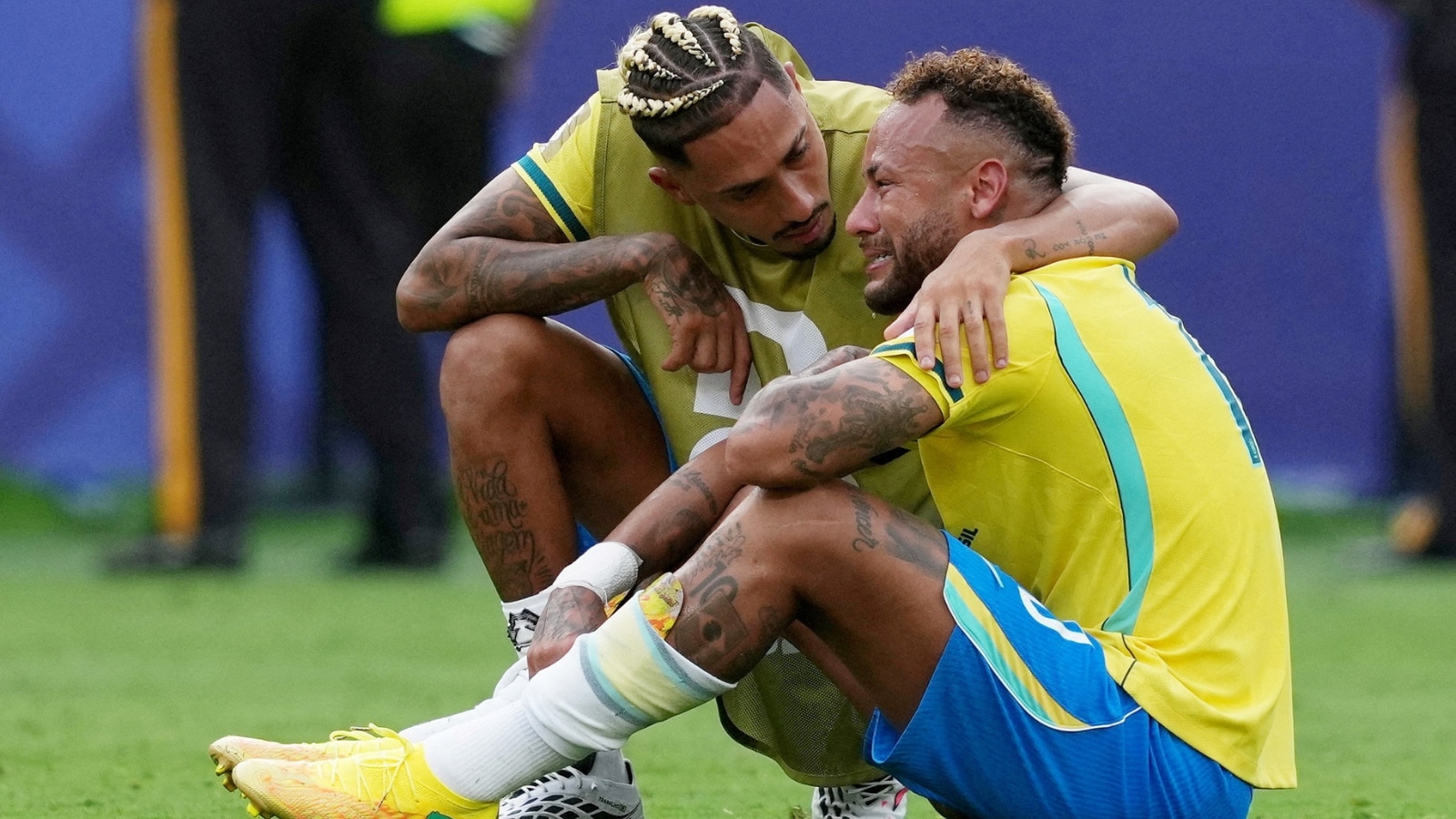
When the whistle blows and the opposition scores a lucky goal, you see the heads drop. That’s the "crying" Tudor is talking about. It’s not literal tears. It’s the slumped shoulders. It’s the slow walk back to the center circle. It’s the look of a group of players who already believe the universe is against them.
Why Tudor Is the Right Messenger
Tudor isn't just some random pundit throwing stones. He’s a guy who built his career on being a hard-nosed defender and an even harder manager. He expects his teams to be physically imposing and mentally unbreakable. When he looks at the current Tottenham roster, he sees incredible technical talent—players like Son Heung-min and James Maddison who can change a game in a heartbeat—but he clearly questions the grit behind the skill.
The Italian football culture Tudor comes from doesn't value "playing well" if you lose. It values winning by any means necessary. This culture clash is exactly why his comments carry weight. He’s pointing out that the Premier League isn't just a track meet anymore. It’s a war of attrition. If you’re more worried about how the loss looks on social media than how it feels in your gut, you’ve already lost.
The Tactical Fallout of a Weak Mindset
When players start "crying" instead of "fighting," the tactics fall apart. Postecoglou’s high-line defense is a perfect example. It requires 100% commitment and bravery. If a defender is second-guessing himself or feeling sorry for a missed tackle, that high line becomes a suicide mission.
- Hesitation in the Press: If one player decides not to "fight" for that second ball, the entire system breaks.
- Lack of Recovery Sprints: "Crying" manifests as a slow jog back when the opposition breaks on the counter.
- Safe Passing: Players who are afraid to lose "fight" will stop taking the risks needed to break down a low block.
How the Dressing Room Responds
How do you think a guy like Cristian Romero reacts to Tudor’s comments? He’s a fighter by nature. But even the fighters can get dragged down by a collective atmosphere of self-pity. The real challenge for the leadership group at Tottenham isn't to give a pre-match speech. It’s to police the attitude during the 90 minutes.
Every successful team has a "bad cop" on the pitch. Think of Roy Keane at United or Patrick Vieira at Arsenal. Tottenham hasn't really had that since maybe the peak Mousa Dembélé days, though he did it with silent physical dominance rather than shouting. Today, the squad looks like a group of very nice guys who are very good at football. That’s great for a charity match, but it’s a nightmare when you’re down 1-0 at an away ground in the rain.
Turning the Tide
Fighting doesn't mean getting red cards. It means winning the duels that nobody notices. It means the wingers tracking back to help the fullbacks. It means the strikers being the first line of defense. Tudor’s ultimatum is a wake-up call to the fans too. The atmosphere in the stadium reflects the pitch. If the fans see a team "crying," they’ll get restless. If they see a team "fighting," they’ll stay until the 95th minute.
We’ve seen flashes of this fight. The comeback wins under "Big Ange" early in his tenure showed a team that refused to die. But consistency is the hallmark of a fighter. You can’t just show up for the big London derbies and then go missing against a promoted side.
The Reality of Professional Football in 2026
The game has changed, but the psychology hasn't. You can have all the data analysts in the world telling you that your "pressing triggers" are optimal. If the player doesn't have the heart to trigger them, the data is just noise.
Igor Tudor knows that football is a game of moments. Those moments are won by the people who want the ball more. It’s that simple. Tottenham has the facilities. They have the stadium. They have the global brand. Now they need to decide if they actually want the trophies that come with those things.
If you’re a Spurs fan, you’ve heard this before. You’ve seen the "All or Nothing" documentaries. You’ve seen the managerial merry-go-round. But Tudor’s words are perhaps the most concise summary of the problem yet. It’s a binary choice. There’s no middle ground. There’s no "playing well but being unlucky." There’s only the fight.
What Happens Next
The next few fixtures will tell us everything. If we see the same old patterns—defensive lapses followed by a lack of urgency—then we know they’ve chosen to "cry." But if the tackles start flying, if the intensity stays high for the full 90, and if the players hold each other accountable on the pitch, Tudor might just have done them a favor.
Stop looking at the league table for a second. Look at the body language. That’s where the season will be won or lost. Watch the first ten minutes of the next match. If they aren't hunting in packs, you have your answer. The era of excuses has to end if this club ever wants to be taken seriously as a powerhouse again.
Go watch the highlights of the last three losses. Count how many times a player stopped running because they thought they were fouled. That’s the "cry" count. Now, watch the next game and see if that number drops to zero. That’s the only metric that matters right now.