Building massive suburban stores used to be a surefire way to conquer the Chinese retail market. Not anymore.
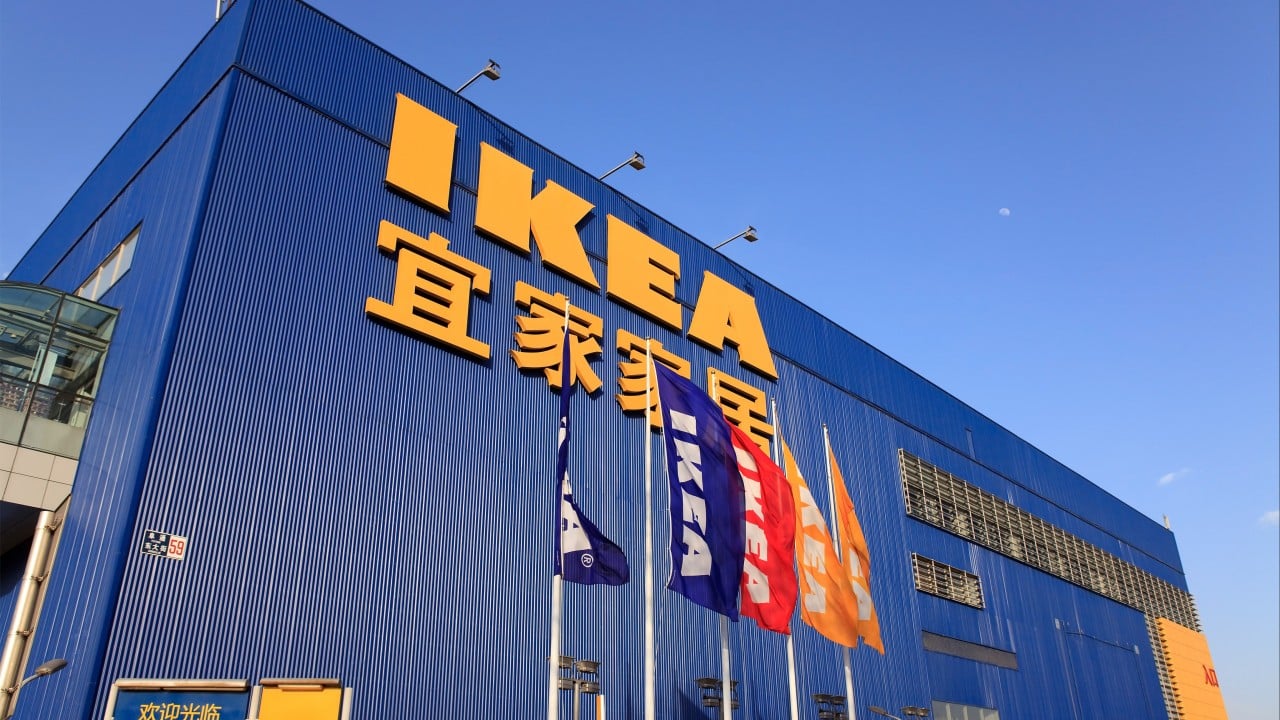
Ikea's parent firm, Ingka Group, just handed real estate firm JLL the keys to sell off vacant properties across eight Chinese cities. We are talking about more than 500,000 square meters of prime commercial space hitting the market all at once. Seven of these properties closed their doors simultaneously in February 2026, scattered across major hubs like Shanghai, Guangzhou, and Tianjin, alongside a Guiyang site that has been dark since 2022.
It is the biggest asset disposal Ikea has pulled in China in nearly three decades. It signals a massive shift away from the heavy, high-overhead footprint that defined Western retail expansion for a generation.
If you think this means Ikea is packings its bags and leaving China, you are reading the situation wrong. They aren't quitting; they are adapting to a market that moved faster than their supply chain.
The Brutal Reality of China's Changing Retail Scene
Let's look at the numbers because they tell a stark story. By the end of the 2024 fiscal year, Ikea China's revenue had dropped over 30% from its 2019 peak, sliding down to about 11.15 billion yuan ($1.6 billion).
Why? Because the way people buy furniture in China changed completely while Ikea was busy building parking lots.
For years, a trip to Ikea was a weekend ritual for middle-class Chinese families. You went for the showroom inspiration, stayed for the meatballs, and bought a flat-pack coffee table. But the explosion of domestic e-commerce platforms and hyper-local instant delivery services eroded that routine. Why drive two hours to a suburban blue box when you can browse customized, cheaper local furniture on your phone and have it delivered and assembled the next day?
The assets up for grabs are enormous. The Shanghai Baoshan site alone spans 105,000 square meters. Ningbo is right behind it at 96,000 square meters. Managing these massive, empty spaces is a cash bleed that no smart corporation will tolerate when consumer traffic is moving online and toward urban centers.
Who Wins in the Ultimate Blue Box Fire Sale
JLL is pitching these vacant, unencumbered spaces as highly flexible opportunities. They suggest buyers could turn them into rental apartments, community hubs, or corporate headquarters.
Honestly, finding buyers won't be a walk in the park. The commercial real estate market in China is facing serious oversupply issues. Warehouse membership giants like Sam's Club or Costco seem like natural fits because the high ceilings and vast layouts match their business model. But retail experts point out that these membership clubs have very specific, strict timelines for selecting sites. They don't typically buy up secondhand retail projects outside core areas just because they are available.
The reality is that converting these suburban retail spots into something profitable will take a massive capital injection and a lot of patience.
The Pivot to Agile Urban Spaces
Instead of doubling down on the suburbs, Ikea is pouring resources into a leaner format. They call it the "Grow+" strategy. Essentially, it means shrinking the physical footprint to stay nimble.
The brand is aiming for smaller-format locations and digital storefronts to capture urban shoppers who won't travel out of the city center.
- In February and April of 2026, Ikea launched smaller-format locations in Dongguan and Beijing’s Tongzhou district.
- The Tongzhou store takes up just 1,500 square meters—a tiny fraction of the old suburban footprints—and relies heavily on digital design-and-order consultations.
- They have plugged straight into Chinese digital ecosystems, setting up digital storefronts on JD.com and running instant-delivery pilots via Taobao Flash Sale.
After offloading these eight massive properties, Ikea will still have 35 physical touchpoints across mainland China. The strategy is clear: cluster core, efficient spaces around tier-one strongholds like Beijing, Shanghai, and Shenzhen, and let digital logistics handle the rest.
If you are a retail operator or real estate investor tracking global brands, the takeaway here is obvious. The era of assuming consumers will travel to you just because you have a famous global brand name is officially dead. Survival means meeting the consumer exactly where they are—which, in China, is usually on an app in the middle of a downtown high-rise. Expect more global giants to trim their physical weight over the coming months as they try to match this faster, lighter style of retail.