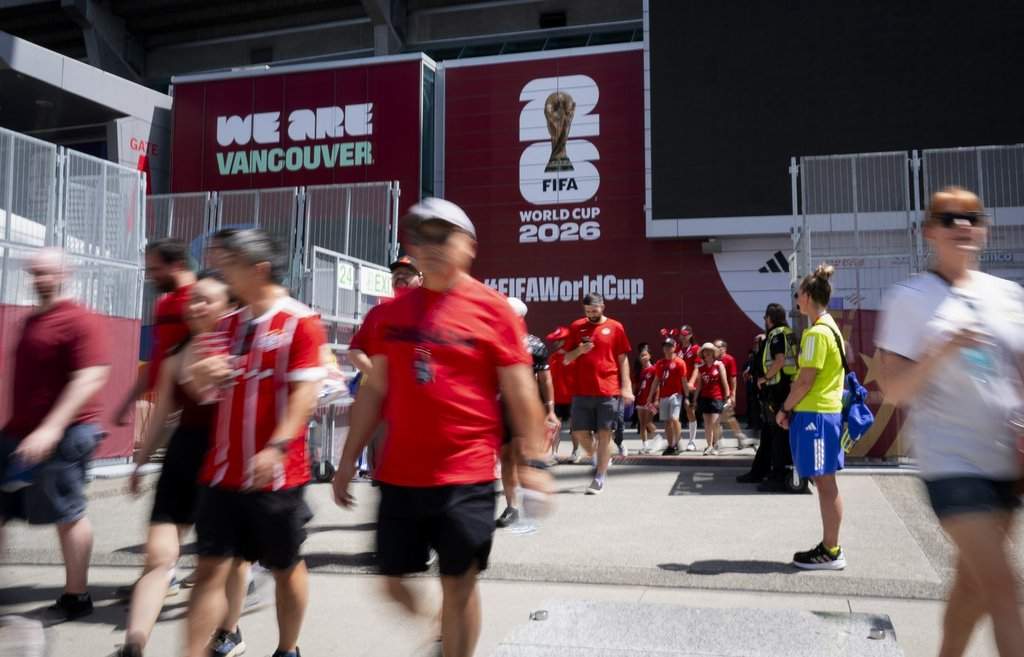
The final whistle has blown at BC Place, the tourists have packed their jerseys, and Vancouver is facing a quiet reality. Local officials call the looming economic and cultural vacuum the "great sigh"—that sudden, deflating moment when a host city realizes the party is over, the bills have arrived, and there is nothing left to do but sweep the streets. To prevent this post-tournament slump, city planners have aggressively booked a series of conventions, trade shows, and corporate events to begin the moment the soccer crowd departs. But a close examination of the numbers, the contracts, and the city’s actual infrastructure reveals a harsh truth. Booking dentistry conventions and medical summits is a cosmetic band-aid on a $729 million civic hangover that offers almost no long-term physical legacy for the people of British Columbia.
For five weeks, the city lived in a highly manufactured bubble of international hype. Now, the hangover begins.
The Ghost of the 2010 Winter Olympics
To understand why city hall is so terrified of the silence that follows a mega-event, one must look back to the winter of 2010. When the Winter Olympic Games wrapped up, Vancouver did not just inherit memories; it inherited a completely transformed transit system. The Canada Line was built. The Sea-to-Sky Highway was modernized. The Richmond Olympic Oval became a massive community asset. There was a physical, tangible return on the billions of taxpayer dollars spent, even if the financial ledger took years to balance.
The 2026 World Cup has offered no such structural transformation.
BC Place already existed. The Canada Line already ran. The capital improvements made to the stadium—including a slightly modified playing surface and minor hospitality upgrades—amount to cosmetic maintenance rather than lasting public infrastructure. When the matches ended, the city was left with the exact same transit capacity, the exact same housing deficit, and the exact same municipal pain points it had before the first match kicked off.
Without a physical legacy to show for the spending, city planners have been forced to manufacture an intellectual one. The strategy of booking back-to-back conferences is designed to artificially extend the economic high. It is an attempt to convince local businesses that the hospitality engine will not run out of fuel. However, comparing the economic behavior of a corporate convention attendee to that of a global soccer fanatic is a fundamental error in retail analysis.
The Hidden Math of a Seven Game Bill
The financial reality of Vancouver's hosting duties is a masterclass in budget creep. In the summer of 2025, the estimated cost of hosting the seven matches sat somewhere between $532 million and $624 million. By the time the opening matches arrived, that figure had climbed to a staggering $729 million.
Where did the money go?
A massive portion of the budget was swallowed by a single, opaque category: safety and security. At $242 million, security costs for seven games amounted to roughly $34.5 million per match. Translated to a per-seat metric at BC Place, taxpayers spent more than $600 per ticket just to keep the peace. Local authorities have steadfastly refused to provide a line-by-line breakdown of this security spending, citing operational integrity.
+------------------------------------------+--------------------+
| Vancouver World Cup Financial Breakdown  | Cost Range (CAD)   |
+------------------------------------------+--------------------+
| Total Public Cost                        | $685M - $729M      |
| Safety and Security (No Public Breakdown)| $242M              |
| City of Vancouver Municipal Share        | $320M - $338M      |
| Capital Improvements (BC Place Stadium)  | $178M - $185M      |
| First Nations Hosting Agreements         | $18M               |
+------------------------------------------+--------------------+
This lack of transparency has raised serious questions among independent analysts. While Toronto released a highly detailed, 20-page public document breaking down every dollar of its $380 million hosting budget years in advance, Vancouver chose to keep its ledger closed until well after the final whistle. This financial secrecy is not just a political issue; it obscures the real impact of the tournament on the city's long-term borrowing capacity and service delivery.
To balance these books, the provincial government introduced a 2.5 percent Major Events Municipal and Regional District Tax (MRDT) on short-term accommodations, projecting that it will raise up to $260 million by 2030. This is an accounting trick. It relies on taxing future tourists to pay off past debts, essentially borrowing against the city's natural tourism appeal to fund a five-week corporate football party.
The Myth of the Tourism Windfall
Proponents of the tournament point to the projected $1 billion in economic activity and GDP growth over the next five years as proof of success. This number, however, is built on highly optimistic modeling that ignores the well-documented phenomenon of economic leakage and crowd displacement.
During mega-events, regular high-spending tourists—the ones who visit museums, rent cars, and dine at high-end local restaurants—actively avoid the host city due to inflated hotel rates and perceived chaos. They are replaced by sports fans whose spending habits are highly specialized. A soccer fan spends money on match tickets, cheap beer, fast food, and official merchandise. The vast majority of ticket sales and global sponsorship revenue does not stay in British Columbia; it flows directly into the tax-free coffers of FIFA.
Local businesses in Gastown, Yaletown, and the West End frequently find that the expected windfall is a mirage. While bars and pubs near the stadium see a temporary surge, retail shops and fine dining establishments often report lower-than-average revenues during the tournament period.
Furthermore, the hotel tax designed to pay down the debt has a massive structural flaw. It applies only to accommodations within the City of Vancouver itself. Neighboring municipalities like Richmond, Burnaby, Surrey, and North Vancouver hosted thousands of fans who could not find or afford rooms downtown. These cities collected their standard revenues without bearing the direct municipal costs of hosting, while Vancouver taxpayers were left holding the bag for municipal services, clean-up, and localized policing.
The Desperate Search for a Post Match Continuity
This brings us back to the city's strategy of booking immediate conferences to avoid the "great sigh". It is a proactive play, but it misunderstands the nature of civic momentum.
A city cannot simply transition from hosting a global sporting event with hundreds of thousands of passionate, flag-waving fans to hosting a regional tech summit without a massive drop in collective energy and economic velocity. The types of businesses that benefit from a convention—mainly hotel banquet halls and convention center catering partners—are highly consolidated. The neighborhood pub, the independent souvenir shop, and the gig-economy driver see their revenues plummet overnight.
The reality is that mega-events are addictive for local governments because they offer a brief, highly visible distraction from chronic municipal failures. While Vancouver spent hundreds of millions of dollars to accommodate FIFA's demanding stadium standards and corporate hospitality requirements, basic municipal services faced quiet neglect.
Annualized Public Spending Comparison:
[==================================================] $213M per year (FIFA Host Duties)
[=======] $33M per year (Direct Support for Canadian High-Performance Athletes)
Comparing the annualized cost of hosting 13 matches across Canada to the modest budgets allocated for local amateur sports and high-performance athlete development reveals a striking disparity in priorities. We are willing to spend millions of dollars per match to build temporary media centers and corporate suites for international executives, but we struggle to fund local community centers, municipal transit expansions, and accessible youth sports fields.
The "great sigh" is not just a temporary dip in tourism metrics. It is the collective realization of a citizenry that their city was rented out to the highest bidder for a month, and all they got in return was an eight-year hotel tax and a closed-door security bill. No amount of carefully scheduled trade shows can cover up the fact that when the circus leaves town, the tent is empty, the field is bruised, and the taxpayers are still paying for the lights.


