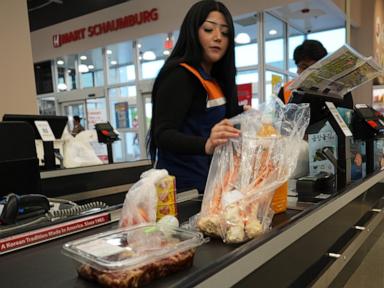
The headlines painted a picture of sudden economic revitalization. Mainstream financial reports rushed to credit a 0.9% bump in May retail sales to a burst of sunny weather and a minor reprieve at the gas pump. It is a convenient narrative, but it misses the structural shift happening underneath the surface. The reality is that American consumers are not celebrating; they are adapting to a prolonged period of high prices by shifting where and how they spend. The modest uptick in retail sales reflects nominal dollars flowing into non-discretionary goods rather than a genuine surge in consumer confidence or volume.
To truly understand why retail numbers fluctuated in May, you have to look beyond the top-line percentage. For over two decades, tracking consumer behavior has required reading between the lines of government data releases. When the Census Bureau notes a rise in retail spending, it measures total dollars spent, not the physical quantity of items moving off the shelves.
The Mirage of the Weather Recovery
Blaming or praising the weather is the oldest trick in the retail playbook. When spring sales slump, executives blame an extended winter. When numbers tick up, they credit the sunshine. But the May data shows a far more complex reality than people simply buying shorts and patio furniture because the sun came out.
The core driver of the nominal increase rests on a precarious foundation. While top-line retail sales grew, inflation-adjusted spending tells a completely different story. Consumers are paying more to get less. The slight dip in gasoline prices did free up a small amount of immediate cash, but that money did not flood into discretionary luxury items. Instead, it was instantly swallowed by rigid household expenses like insurance, rent, and utility bills—none of which show up in standard retail sales reports.
Where the Money Actually Went
A granular look at the sector-by-sector breakdown reveals deep fragmentation.
- Grocery and Food Retail: Spending remained stubbornly high, driven by the cumulative impact of three years of compounding price increases. Families are spending more of their total budget on basic sustenance.
- Discount and Value Brands: Major big-box retailers noted an influx of higher-income shoppers. Households earning over six figures are actively trading down, abandoning premium grocers for warehouse clubs and discount chains.
- Durable Goods: Major appliances, electronics, and furniture experienced continued stagnation. Consumers are delaying big-ticket purchases because financing them through credit cards now carries a massive interest penalty.
The shift toward value brands is not a temporary trend. It represents a permanent realignment of household budgets. When middle-class shoppers migrate to discount stores, they rarely return to premium brands until their real purchasing power experiences sustained growth.
The Credit Card Trap and Liquid Savings
The most overlooked factor in the current retail environment is the exhausting state of consumer credit. The modest rise in May spending was heavily subsidized by plastic.
Household savings rates have plummeted well below pre-pandemic averages. With cash reserves depleted, the modern consumer relies on credit cards to bridge the gap between stagnant wages and elevated living costs. Relying on revolving credit at historically high interest rates is inherently unsustainable.
We are witnessing a clear divergence in consumer behavior. The top 20% of earners continue to spend with relative freedom, insulated by asset appreciation in housing and the stock market. The remaining 80% are facing a quiet liquidity squeeze. This majority is rationing purchases, waiting for promotional discounts, and leaning on "Buy Now, Pay Later" loans just to maintain their standard of living.
The Hidden Cost of Flexible Financing
Fintech platforms offering split-payment options have exploded in popularity. These services frequently bypass traditional credit reporting mechanisms, meaning the true level of consumer debt is likely severely understated in official economic assessments. When a shopper uses a four-payment installment plan to buy routine clothing or groceries, it masks the underlying financial strain. The retail sales data registers the full purchase price immediately, creating an illusion of financial health that ignores the debt obligation created for the coming months.
Retail Margin Compression and the Promotion Trap
For retailers, the nominal increase in sales volume has come at an incredibly high price. To lure wary shoppers back into stores, major national brands have been forced to initiate aggressive, unseasonal price cuts.
This environment has triggered a dangerous promotional spiral. When a company slashes prices on thousands of everyday items to drive foot traffic, it directly eats into corporate profit margins. A 0.9% increase in top-line revenue matters very little if the cost of acquiring that revenue requires sacrificing profitability.
Supply Chain Realities and Inventory Backlogs
Retailers are also wrestling with the hangover of erratic inventory management. Fearful of supply chain disruptions, many overordered goods that are now sitting in warehouses, losing value every day.
"Wholesale inventory levels in specific categories like apparel and home goods remain elevated, forcing aggressive discounting just to clear floor space."
This structural reality means that what looks like a healthy surge in retail activity is actually a massive clearance sale. Consumers are responding to desperation pricing, not exhibiting robust economic health. Once these inventory gluts are cleared, retailers will face a difficult choice: keep prices artificially low to maintain traffic, or raise them back up and watch sales volumes plunge.
The Structural Threat of Service Sector Inflation
The ultimate limitation of evaluating retail sales data is that it primarily tracks physical goods. The modern economy is driven by services, and that is where the real inflationary pain resides.
While gasoline prices provided a temporary breather in May, the cost of essential services continues to climb relentlessly. Car maintenance, healthcare, property taxes, and childcare are consuming a larger portion of the American paycheck every month. Because these services are non-negotiable, consumers have no choice but to absorb the costs.
The money required to pay for a 15% increase in home insurance must come from somewhere. It comes directly out of the retail economy. Every extra dollar spent on a utility bill or a medical premium is a dollar that cannot be spent at a clothing boutique, a sporting goods store, or a local restaurant. The slight increase in May retail sales was a momentary pause in a broader downward trajectory for discretionary spending.
The structural forces shaping the economy cannot be altered by a few weeks of clear skies or a minor fluctuation in oil inventories. The consumer engine is running on fumes, supported by expensive debt and desperate corporate discounting. Executives and investors who misread the May bump as a return to normalcy will find themselves completely unprepared for the reality of an increasingly tapped-out public.


