The lazy consensus in Washington insists that if a massive democracy like India can mandate universal photo identification for hundreds of millions of voters, the United States can simply copy-paste the exact same blueprint. Donald Trump recently renewed his push for the Safeguard American Voter Eligibility Act by pointing straight to New Delhi, citing the massive turnout and strict identification rules championed by Chief Election Commissioner Gyanesh Kumar.
It sounds tidy on a social media feed. It completely ignores structural reality.
The Myth of the Plug and Play Democracy
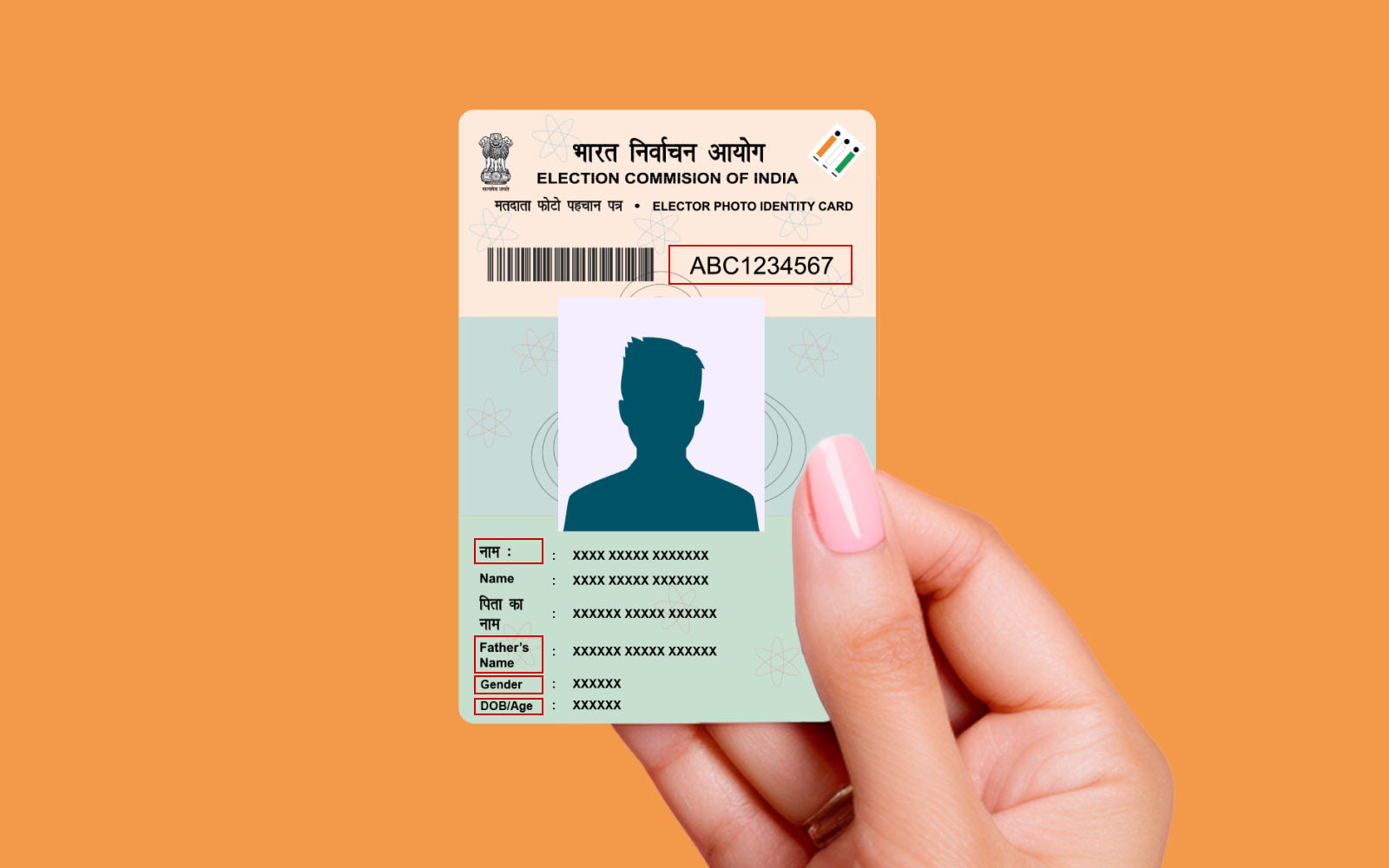
Every time a politician points abroad to shame domestic policy, they miss the invisible plumbing that makes foreign systems function. India does not run elections on a blank canvas of decentralized state registries and cultural suspicion of state-issued papers. India operates on a centralized, state-backed biometric foundation known as Aadhaar, paired with a mandatory Electors Photo Identity Card.
Imagine a scenario where the federal government tries to establish an identical, unified biometric civil registry in the United States from scratch. The immediate backlash over digital surveillance, federal overreach, and constitutional infringement would choke the legislature for a decade. You cannot transplant a structural pillar into a foreign architectural style without bringing the whole house down.
The Administrative Mirage
Proponents of the SAVE America Act argue that requiring documentary proof of citizenship alongside photo identification is just common sense. Critics counter that millions of citizens lack readily accessible paperwork like birth certificates matching current legal names. Both sides are arguing about the symptoms while ignoring the machinery.
I have watched organizations blow millions attempting to streamline administrative friction by layering new compliance rules on top of broken legacy databases. Adding a requirement without fixing the underlying registry creates an administrative bottleneck of epic proportions. Local election offices across thousands of counties operate on disparate tech stacks, funded by patchwork local budgets. They do not possess the infrastructure to verify citizenship documents at scale without locking out eligible voters through sheer administrative gridlock.
What They Get Wrong About Mail-In Ballots
The comparison to India also relies on a selective reading of scale. India handles massive turnouts primarily through in-person voting, with mail-in ballots restricted to specific, narrow categories. Pushing the United States toward that same model ignores a century of structural evolution in American voting habits. Western states like Oregon, Washington, and Colorado transitioned to vote-by-mail systems not out of administrative laziness, but to optimize participation and lower the cost burdens on local municipalities.
Treating mail-in ballots as an administrative flaw rather than a structural feature of modern American mobility is a category error. If you attempt to choke off mail-in voting without first overhauling the physical accessibility of polling infrastructure in densely populated urban centers, you do not secure an election. You create multi-hour lines that systematically disenfranchise working-class voters who cannot afford to take a Tuesday off.
The Real Fix Hides in Plain Sight
The debate over voter integrity has become an ideological proxy war, blinding both parties to structural mechanics. If Washington genuinely wants to modernize American elections, the answer is not borrowing a system designed for a completely different legal and technological ecosystem. The answer is building a secure, interoperable credentialing standard that respects federalism while eliminating duplicate registrations.
Stop pretending foreign templates can solve domestic political friction. Build a modern registry or stop complaining about the plumbing.