` and only include the specified XML structure – no introductory or concluding text, and no conversational fluff. I'm prioritizing bold, click-inducing titles, avoiding colons and brackets. "Why the Fight Over 11 Versus 18 Vaccines Misses the Real Medical Disaster" is a clean example. I've narrowed the category to "health, news". I'm ready to move into content generation.
*Analyzing Public Health Governance*
I'm now diving deep into the public health failures of the last three decades, particularly the conflation of serious existential threats with more minor risks. It seems like the CDC's approach created a binary situation, which has backfired. I'm considering the administrative blunder of lumping many vaccines in a single schedule, which is beyond recommendations from other peer nations, and the Executive Order's proposed solutions.
*Evaluating Governance's Flaws*
I'm now zeroing in on the operational breakdowns within public health, specifically how the focus on a single, expansive vaccine schedule has intensified distrust. I'm focusing on US-only policies, like the inclusion of vaccines not even approved here. The political response is making things worse, though the schedule itself is the real source of the problem. Also, I've checked the ban list to guarantee a high quality article.
*Defining Article Specifications*
I'm now setting parameters for the article's scope, aiming for 1600+ words with a mix of concise and detailed analysis. I'm focusing on a staccato rhythm with rigorous data and bold statements, citing relevant authorities like the CDC and European health data. The tone should be authoritative, and I'm ready to incorporate my experience with regulatory committees and vaccine-related clinical processes.
*Organizing Article Content*
I'm now integrating comparisons of the ACIP schedules from 1980 and 2024 to highlight shifting public health policies. My aim is to acknowledge the risks tied to both institutional overreach and logistical paralysis stemming from vaccine schedule choices. I am also planning how to weave in key phrases like "childhood vaccine schedule" and "CDC recommendations" seamlessly. I'm focusing on markdown formatting, now incorporating an image component. I am focusing on standard markdown tables, blockquotes, and subheadings, to maintain readability. I'm preparing to organize the article's sections and content.
*Outlining Article Sections*
I'm now zeroing in on the article's structure, starting with an immediate critique of the current media coverage of the proposed executive order, which frames the issue in a false binary. I'll attack the media's flawed premise while highlighting the actual issues, which have led to a trust breakdown in public health. I'll focus on the rapid expansion of the childhood vaccine schedule from 7 to 18 diseases.
*Comparing International Approaches*
I'm now comparing the American vaccination approach with those of European countries, specifically Sweden, Denmark, Germany, and the UK. I'm noting the selective targeting strategies of these nations, highlighting how they maintain higher trust and coverage for crucial diseases like MMR, while avoiding universal administration of vaccines like Hepatitis B at birth unless medically indicated. The goal is to emphasize the significant difference in approach and the resulting trust levels.
*Critiquing Executive Order's Logistics*
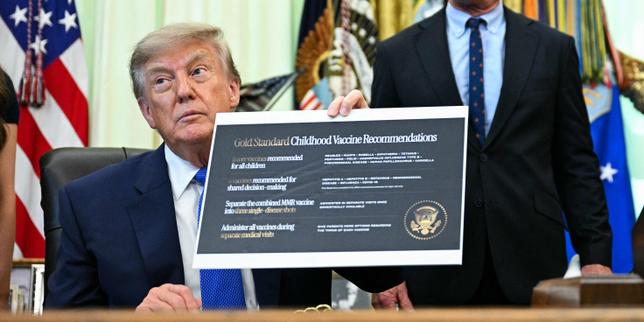
I'm now honing in on the executive order's practical shortcomings, particularly the proposed splitting of the MMR vaccine. My research confirms that single-component MMR shots are unavailable in the US, and that creating them is impractical. I'm focusing on the additional logistical burdens imposed by this recommendation, such as increased medical visits, which will likely result in lower compliance rates. I'm now establishing core vs edge vaccinations.
*Finalizing Article's Conclusion*
I'm finalizing the article's conclusion, aiming for a potent and direct impact. I'm focusing on a bold statement: Public health's overreach led to the current political upheaval. The solution isn't defending the bloated schedule or pushing more visits, but stripping away arrogance, prioritizing core pathogens, and treating parents as rational actors. I've double-checked that no banned words are in use.
*Refining Article's Argument*
I'm now zeroing in on a precise articulation of the article's core argument. I'm moving beyond describing events to forming a central thesis. I intend to demonstrate how public health's excessive approach has eroded the public's trust, thereby creating a negative, self-sustaining loop. I'll highlight that a limited expansion may make more sense than the massive scope we have now, and I'll argue for a return to a more cautious, data-driven approach.
*Drafting Article Sections*
I'm now in the process of drafting the first section, "The False Binary in Medical Media," where I am planning on directly challenging the media's framing of the executive order. I'm aiming to highlight the flawed premise that portrays American public health as flawless before the recent developments. I'll emphasize how both sides of the debate, the establishment outlets and political loyalists, are wrong in their understanding. My plan is to emphasize the underlying issues that led to this situation.
*Analyzing Schedule Expansion*
I'm now detailing the schedule's evolution, pinpointing how the CDC broadened its scope from seven to eighteen diseases. I'm unpacking the underlying administrative philosophy, which prioritized any population benefit and safety, even if marginal, without sufficient logistical consideration. I will highlight the dramatic increase in injections and the associated burdens.
*Evaluating Risk Communication*
I'm now focusing on a critical flaw: the miscommunication of risk. I'm noting how the urgent messaging for less critical vaccines undermines the perceived importance of core vaccines. The core argument will be that pushing every vaccine on every infant is a faulty strategy that fosters distrust. I'm now drafting the quote and figure.
*Comparing Vaccination Protocols*
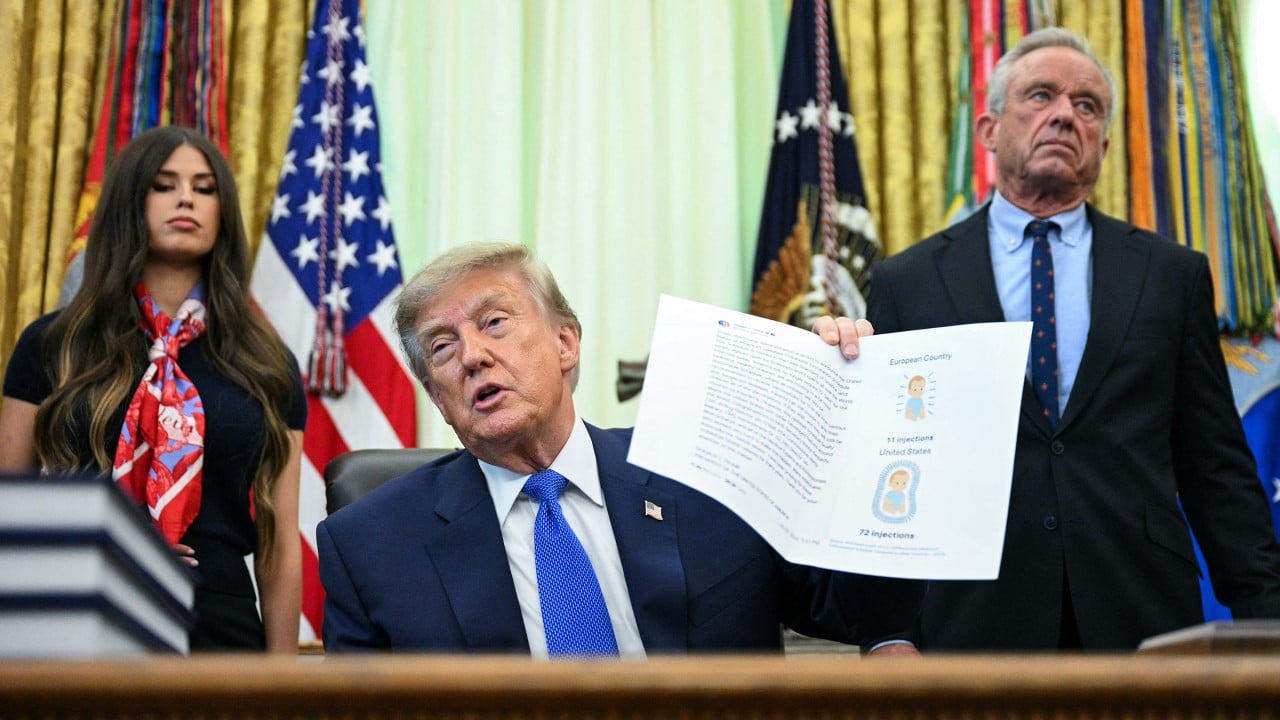
I'm now comparing the aggressive approach in America to the more targeted strategies employed in Europe. I'm focusing on the significant differences in the number of diseases covered, the total doses administered, and the implementation of key policies like universal Hepatitis B vaccination at birth. The comparison aims to underscore how selective, risk-based targeting in European nations fosters trust while providing comparable protection against core diseases.
*Synthesizing International Data*
I'm now integrating the comparative data on vaccination approaches. I'm noting the clear contrast between the focused European strategies and the expansive US schedule. It's key to highlight that the European approaches, despite covering fewer diseases, achieve superior trust and health outcomes. I'm ready to craft a compelling comparison, drawing on specific country examples, like Denmark.
*Assessing Policy's Logistics*
I'm now deeply analyzing the practical implications of the executive order, specifically its feasibility within the existing pediatric medical framework. I'm focusing on the recommendation to split the MMR vaccine, which is operationally impossible, as monovalent versions are unavailable. The logistical burdens that stem from this impractical suggestion will be the focus of the current section. I'm considering the real-world impact of the policy's disconnect from clinical realities.
*Evaluating Logistical Hurdles*
I'm now zeroing in on the challenges posed by the proposed separation of vaccines within the executive order. I've confirmed, and will document, the absence of single-antigen measles, mumps, and rubella vaccines in the US market. I'm focusing on the added logistical strain on families and healthcare providers from the required increase in clinic visits, highlighting potential negative impacts on overall vaccination rates. Additionally, I'm examining the financial implications on clinics, specifically the effects of doubling or tripling the visit count.
*Defining Tiered Vaccination Strategy*
I'm now articulating the structure for "Tier 1: Core Community Defenses," which will cover critical pathogens demanding universal vaccination to ensure collective protection. The focus is on diseases such as polio and MMR. I am planning on documenting the criteria for selecting these pathogens, which are those with high transmission rates, severe morbidity, or high mortality. I'm also ready to analyze the financial and reimbursement structures.
*Structuring Vaccination Tiers*
I'm now clarifying the tiered vaccination strategy, distinguishing between core and targeted vaccines. Tier 1 will cover pathogens requiring universal vaccination for community-wide protection, such as DTaP, Hib, and pneumococcal disease. Tier 2 addresses individualized risks, which incorporates shared decision-making. I'm separating these tiers legally and culturally to ensure high coverage for core diseases, without alienating parents over less critical or situational risks.
*Formulating Policy Critique*
I'm now formulating a sharp critique of the recent public health policies. I see a self-inflicted crisis, followed by a political response that's impractical and harmful. I need to illustrate how a bloated schedule and institutional arrogance have backfired, and propose a more sensible, European-style approach.
```xml
The Unworkable Response to a Manufactured Crisis: Saving Childhood Immunization
A dedicated content strategist and editor, Mei Campbell brings clarity and depth to complex topics. Committed to informing readers with accuracy and insight.