Geopolitics isn't a game of choice, and nobody gets to pick their geography. If you look at a map of South Asia, you quickly realize that New Delhi handles one of the most volatile real estate patches on the planet.
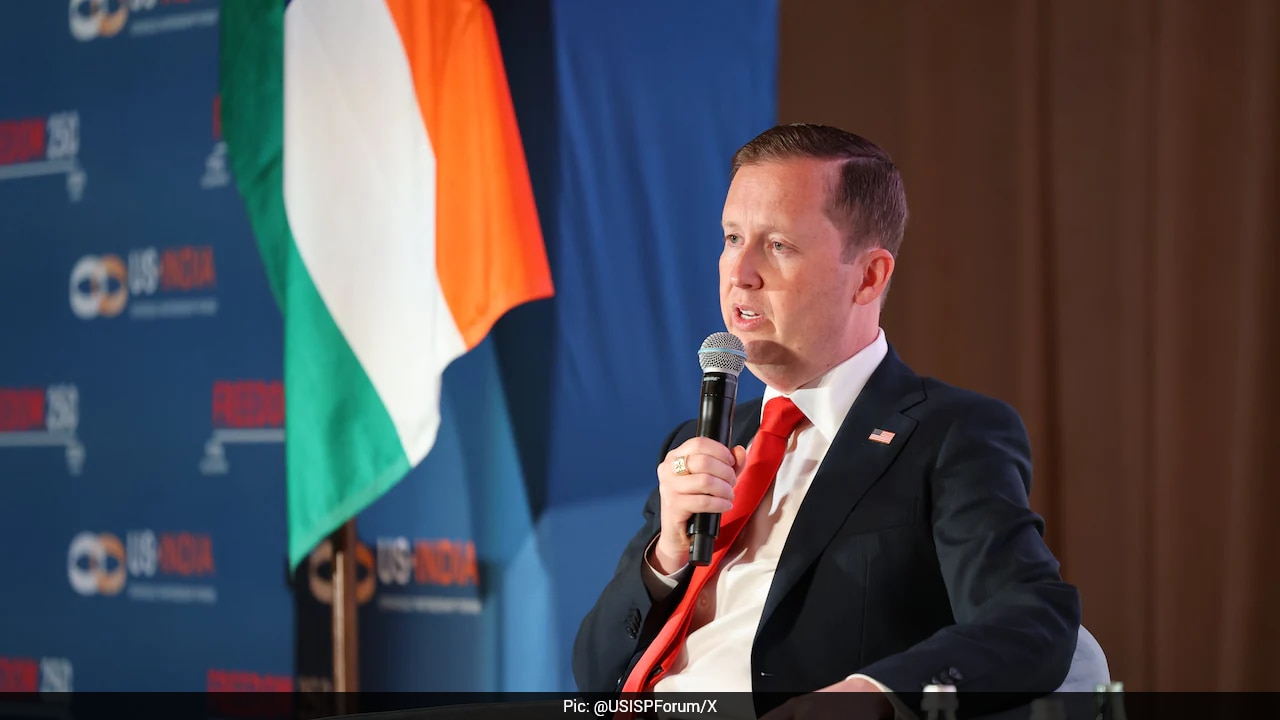
US Ambassador to India Sergio Gor didn't mince words at the US-India Strategic Partnership Forum Leadership Summit in Washington. He pointed out that India lives in a tough part of the world with rough neighbors where individuals can "wake up in a bad mood" and abruptly change the regional dynamic. It's a blunt assessment, but it hits on a reality Indian policymakers live every single day.
When your borders touch nuclear-armed rivals and nations navigating deep political instability, your foreign policy can't afford to be passive.
The Reality of a Volatile Neighborhood
Living next door to unpredictable regimes means crisis management is a daily routine. Gor's comment about neighbors waking up in a bad mood isn't just colorful language. It describes the precise operational challenge New Delhi faces. A sudden military posture on the Line of Actual Control or an unexpected political shift in a nearby capital forces India to constantly pivot.
Unlike nations separated from global flashpoints by vast oceans, India shares thousands of kilometers of active, contested land borders. This proximity means domestic policy and external security are locked together. A bad political decision or an economic collapse in a neighboring state immediately spills across the border in the form of security threats or migration challenges.
Why Washington is Betting Long on New Delhi
Washington's interest here isn't charitable. The partnership between the US and India thrives because their strategic goals align perfectly. Gor made it clear that this tie is insulated from short-term political cycles. It's a long-term project designed to stretch over decades.
The numbers back up the rhetoric. In 2026 alone, the US Mission in India helped drive $20.5 billion in new investments back into the American economy. That outpaces many European counterparts.
The cooperation isn't just about trade balances either. Look at the key sectors where the two countries are locking arms:
- Technology and AI Development: Shared engineering talent is moving fast on critical software frameworks.
- Aviation and Defense Procurement: Major manufacturing deals are shifting supply chains away from restrictive markets.
- Joint Military Readiness: Every month, Indian troops travel to the US or American forces land in the region for joint drills.
A massive bilateral trade deal is also sitting at the finish line. According to Gor, US Trade Representative Jamieson Lee Greer's recent visit to New Delhi left the legal text 98% complete. They're haggling over the final 1 or 2 percent.
Moving Past Symbolism and Letterheads
There was plenty of political noise recently regarding the US dropping "Indo" from the Indo-Pacific Command letterhead. Critics jumped on it as a sign of cooling relations. Gor dismissed the controversy entirely, arguing that bureaucratic letterheads don't matter. What matters is operational reality.
US Secretary of State Marco Rubio made his first official visit to India last month, and he's already planning a return trip before the year ends. That frequency of high-level engagement tells you everything you need to know. The corporate confidence from American businesses in India is hitting new highs because New Delhi offers something rare in the region: predictability and legal stability.
Managing the Balance of Power
Dealing with a tough neighborhood requires a dual approach. India has to maintain a credible military deterrent while simultaneously building deep economic and technological networks globally. Relying on regional trade isn't enough when those local markets are unstable or openly hostile.
True security for India relies on becoming economically indispensable to global powerhouses like the US. When international supply chains run directly through Indian tech hubs and factories, global powers gain a vested interest in keeping India's borders secure.
Keep an eye on the finalization of that US-India trade pact over the coming months. Once those final legal details clear, it will rewrite the rules for technology and defense sharing in Asia. For businesses and investors tracking global risk, the message is clear: the neighborhood might be rough, but the alliance protecting the core assets is getting stronger by the day.