When a massive disaster strikes the Himalayas, the finger-pointing usually starts before the floodwaters even recede. Following catastrophic flash floods in Nepal that left over a thousand people dead and thousands more missing, Kathmandu initially pointed a sharp diplomatic finger at major global emitters—including India, China, and the United States—demanding climate justice rather than mere charity.
That friction prompted an immediate clarification from Kathmandu and a firm response from New Delhi. India's Ministry of External Affairs quickly stepped up to express deep solidarity with Nepal, sending prompt humanitarian assistance while steering the conversation back to where it actually belongs: historical accountability.
New Delhi's stance is straightforward. Wealthy Western nations built their entire industrial might on centuries of heavy pollution, and they cannot simply lump developing economies in with historical polluters when climate disasters devastate the Global South.
The Real Breakdown of Historical Responsibility
Let's look at the actual math behind global emissions. According to data tracked by institutions like the European Commission’s EDGAR project, absolute numbers can easily deceive casual observers. Sure, heavyweights like China, the US, and India rank near the top for total absolute greenhouse gas output.
When you break that down on a per-capita basis, the narrative shifts entirely. An average resident in the United States produces upwards of 17 tonnes of carbon dioxide equivalent annually, and China sits around 11 tonnes. India, by contrast, hovers around 3 tonnes per person.
Expecting countries with low per-capita emissions and millions still climbing out of poverty to carry the same financial burden as historical industrial giants is completely absurd. India has consistently championed the principle of common but differentiated responsibilities. This framework insists that those who broke the climate system over the last two centuries must pay to fix it, providing actual finance and advanced technology transfer instead of empty diplomatic promises.
Moving Beyond Aid to Systemic Change
When the devastating flash floods tore through Nepal's high-altitude regions, local leaders initially framed their appeal around loss and damage. Nepalese Foreign Minister Shisir Khanal later clarified that Kathmandu wasn't issuing direct bilateral compensation bills to individual neighbors, but rather calling on the international community to recognize the severe toll of global warming on vulnerable mountain ecosystems.
Himalayan communities share interconnected river basins and fragile ecologies. When glaciers collapse due to rising temperatures, countries down the line face the fallout, but the root cause remains globally driven atmospheric warming.
Nepal approached the UN-backed Fund for Responding to Loss and Damage because local infrastructure cannot absorb the shocks of these climate anomalies alone. Relying on ad-hoc disaster relief after every single tragedy is a broken system. Nations like Nepal need long-term adaptation tools, resilient infrastructure, and early-warning technology funded by the nations that heated the planet in the first place.
Where India and Nepal Go From Here
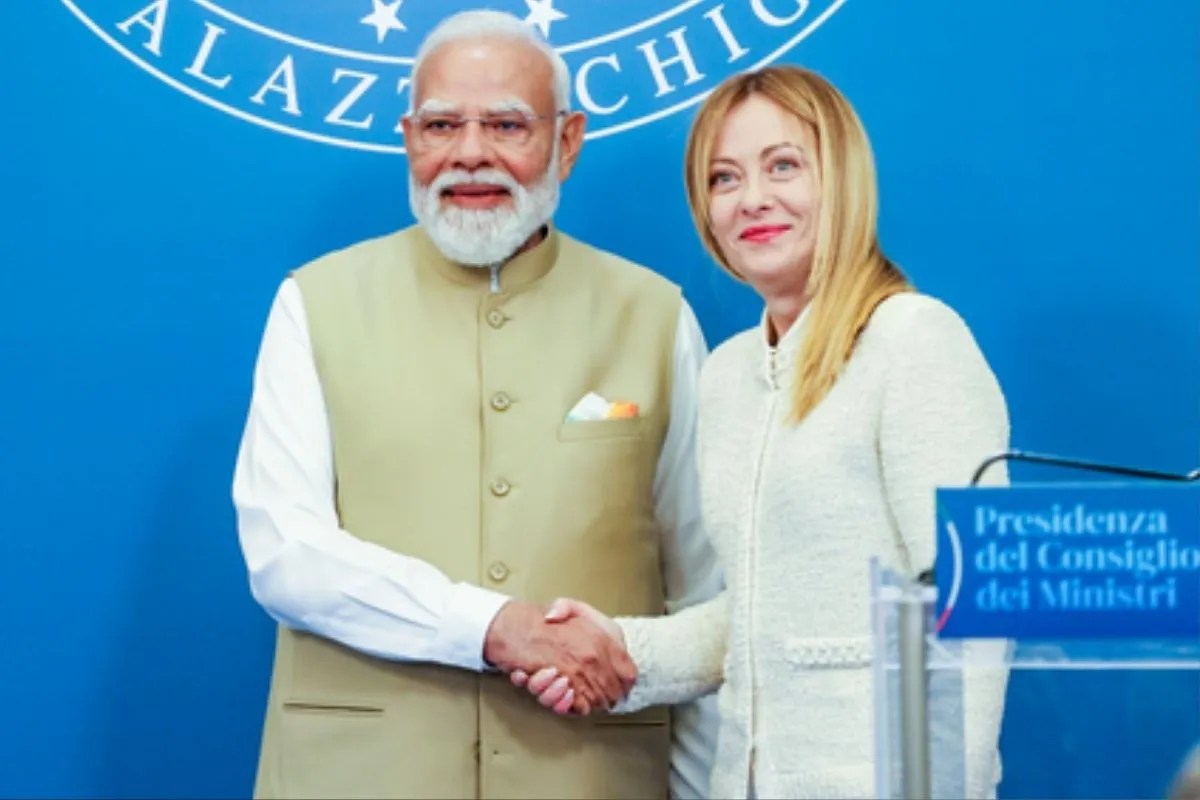
Bilateral ties between New Delhi and Kathmandu weathered this recent diplomatic bump swiftly. Prime Minister Narendra Modi reached out directly to Nepal's leadership to coordinate relief efforts, proving that immediate solidarity runs deeper than political miscommunications.
India’s official external affairs spokesperson, Randhir Jaiswal, made it clear that New Delhi stands shoulder to shoulder with its neighbor during this humanitarian crisis. Beyond immediate rescue operations, the broader regional challenge requires South Asian neighbors to coordinate their defenses against extreme weather.
The real pressure must remain fixed on wealthy industrialized economies at upcoming global climate summits. Until historical emitters step up with substantial financial packages and open-source green technology, vulnerable regions across the Himalayas will continue bearing the deadly cost of a crisis they didn't create.