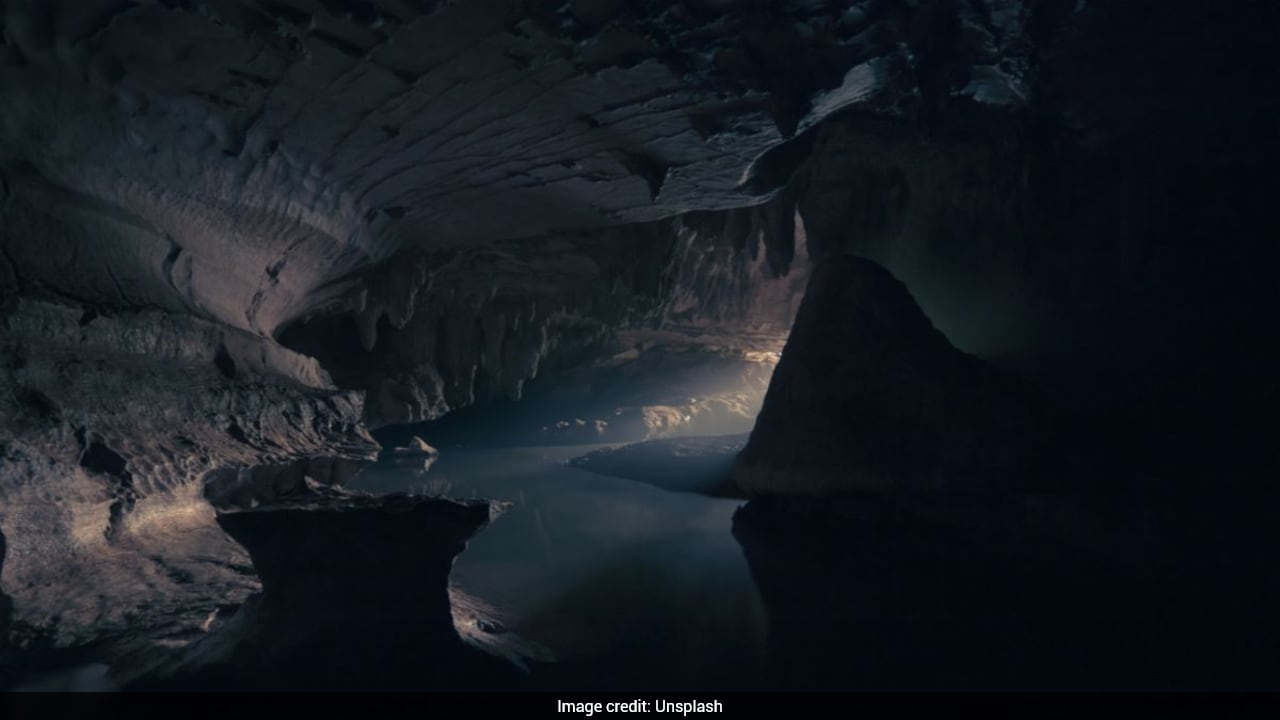
The mountains were supposed to be permanent. Generations of Swiss families built stone foundations under the assumption that the ridgelines above them were enduring monuments of granite and limestone, fixed points in a changing world. That architecture of permanence has quietly failed. High in the Swiss Alps, the frozen glue holding the high peaks together is turning to water, and the ground beneath entire communities is sliding toward catastrophe.
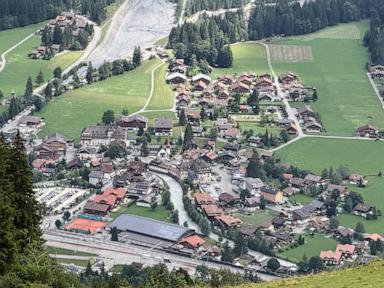
Take Kandersteg, a picturesque valley town in the Bernese Oberland. Tourists come for the pristine hiking trails and the chime of cowbells echoing off green pastures. Yet right above them, the Spitze Stei mountain is unraveling. Millions of cubic meters of rock loom over the community, shifting downward in slow motion. This is not a sudden tremor or an isolated freak accident. It is a slow-motion unraveling of high-altitude geology caused by rising temperatures that are rewriting the physical boundaries of Europe.
The Thermal Time Bomb Inside the Rock
To understand why Alpine villages are sliding into ruin, you have to look past the surface stone and examine the invisible infrastructure of the peaks: permafrost.
At elevations above 2,500 meters, ground temperatures have historically remained below zero degrees Celsius year-round. This deep frost acts as a natural cement. Ice wedges itself tightly into microscopic fissures, binding fractured rock fragments into solid, load-bearing walls. When that ice stays frozen, the mountain holds its shape.
When ambient temperatures climb, the physics change instantly. As the permafrost thaws, the solid ice turns to liquid water. This water lubricates internal fault lines and creates hydrostatic pressure inside the rock face as it drains into deeper crevices. Without its glacial cement, a vertical cliff transforms into a massive pile of loose aggregate held in place only by friction and gravity.
Geologists monitoring sites like Spitze Stei or the slopes above Brienz track these shifts with millimeter precision using satellite interferometry and ground-based radar. The data tells a grim story. Slopes that were stable for centuries are now creeping downward by centimeters, then meters, per year. The mountain is literally losing its grip on itself.
When Theory Becomes Mud and Debris
Abstract climate models rarely capture the sheer violence of a permafrost failure. Ask the residents of Blatten, a historic valley village that was largely obliterated when a massive mixture of rock and glacial ice thundered down the mountainside, coating streets in meters of heavy, suffocating sludge. The impact registered on seismographs as a localized earthquake.
Consider a hypothetical scenario to understand the mechanics: imagine a multi-story parking garage where the concrete pillars are secretly replaced with packed ice. For years, the structure stands under ordinary loads. As the weather warms, those ice pillars soften and begin to seep water. The upper levels do not slide off instantly; instead, they creak, fracture, and settle unevenly until the internal stress forces a catastrophic, unannounced pancake collapse. Scale that garage up to three thousand vertical meters of limestone, and you begin to understand the terror haunting Alpine mayors.
In Kandersteg, geologists model worst-case outcomes where tens of millions of cubic meters of debris break free, plunging into local lakes and generating displacement waves capable of wiping out whole quarters of the town. Even smaller, more frequent rockfalls bypass engineered retention dams, forcing local authorities to enforce strict construction bans and designate red zones where nobody is allowed to build. Property values plummet, historic family homes become liabilities, and a quiet existential dread settles over communities that have occupied these valleys for seven hundred years.
The Economics of Abandonment
Mitigation has hard limits. Engineers can anchor steel nets into cliffs, inject chemical resins into shallow cracks, build massive earthen deflection berms, and install early-warning acoustic sensors. These measures buy time. They give families hours or days to evacuate when monitoring systems detect accelerating ground displacement.
Yet engineering cannot outrun thermodynamics. When the cost of maintaining defense infrastructure around an endangered village exceeds the total economic output of that municipality, hard choices emerge. Insurance pools groan under repetitive claims. Government subsidies for mountain agriculture and tourism run up against fiscal reality.
Energy experts point to a sobering future where structural retreat becomes the only viable policy. Abandoning high-risk alpine valleys sounds unthinkable to communities defined by their ancestral roots. But as the permafrost continues its deep, irreversible thaw, the mountains are making that decision for them, trading centuries of human habitation for the raw, unyielding mechanics of gravity
Swiss village of Brienz evacuated over risk of imminent rockslide
This video provides an on-the-ground look at the emergency evacuation procedures implemented in an Alpine village threatened by unstable mountain rock masses.
http://googleusercontent.com/youtube_content/1