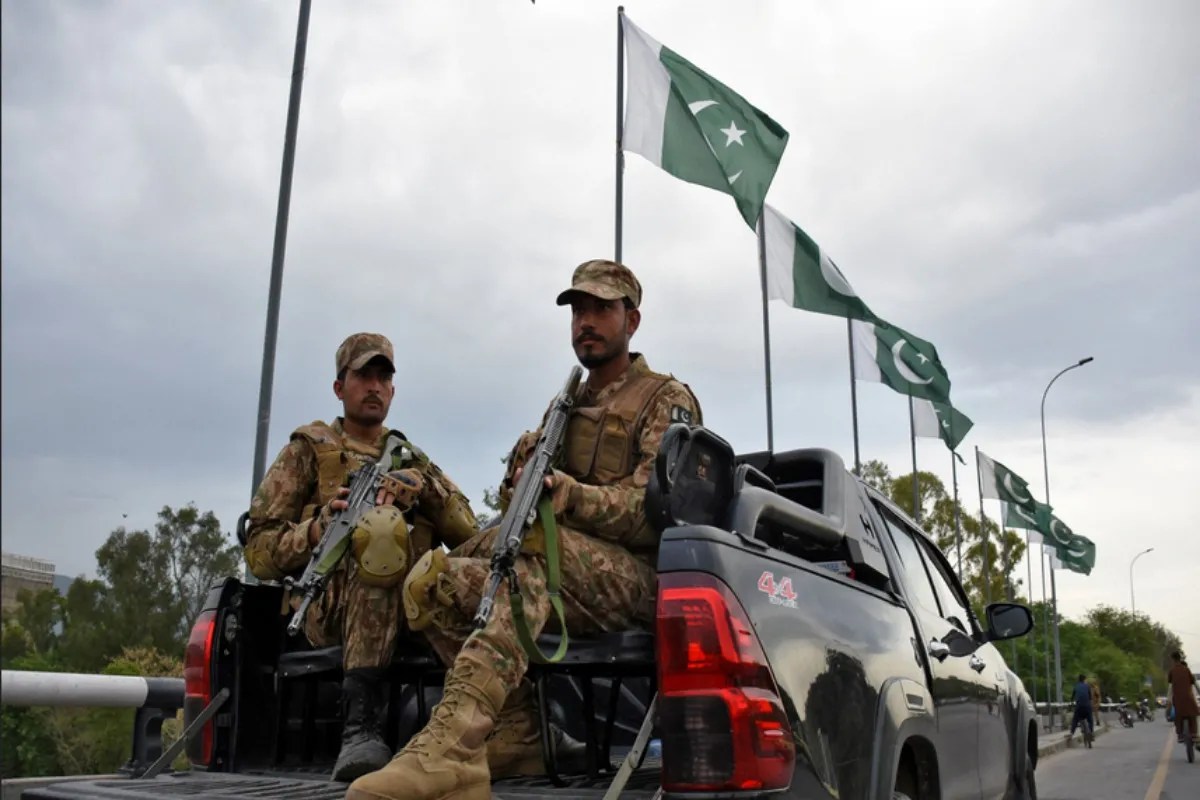
The security apparatus in southwestern Pakistan relies on a simple, well-worn script. When an intelligence-based operation yields bodies, state media broadcasts the victory with predictable uniformity. Five militants neutralized in the Panjgur district of Balochistan. A key commander eliminated. Weapons recovered.
Yet beneath the polished press releases from the Inter-Services Public Relations lies an escalating security breakdown that military operations alone cannot resolve.
To understand what happened in Panjgur requires looking past the immediate body count. The operation, executed in the Sarkini and Chedgi areas, represents a tactical response to a strategic hemorrhage. Balochistan remains Pakistan's largest yet most restive province, bound by complex ethnic grievances, economic neglect, and a persistent insurgency that refuses to bend to kinetic force.
The Anatomy of an Intelligence-Based Operation
Military planners increasingly lean on intelligence-based operations to counter decentralized insurgent cells. Conventional sweeps often fail against mobile groups familiar with the harsh terrain of the region. By utilizing intercepted communications and human intelligence networks, security forces target specific safehouses and leadership nodes.
In this instance, the operation struck a cell allegedly linked to extortion, kidnapping, and attacks on local traders. The elimination of local commanders brings temporary relief to beleaguered trade routes. However, military analysts note a recurring structural flaw. Each cell dismantled often leaves a vacuum quickly filled by splinter factions or newly radicalized youth alienated by state policies.
The Cost of Attrition
The numbers tell a stark story of persistent instability. Independent security assessments indicate a dramatic surge in violence across the province, with casualties among both security personnel and insurgent groups climbing sharply over recent reporting cycles.
Traditional counter-terrorism doctrine assumes that crushing militant leadership breaks organizational momentum. In Balochistan, that dynamic operates differently. The insurgency feeds on deep-seated political grievances regarding resource distribution, missing persons, and provincial autonomy. Every security crackdown, while necessary to maintain public order, frequently deepens the alienation of the local populace.
Beyond the Official Narrative
State framing of these conflicts often attributes unrest entirely to external interference, bypassing domestic political failures. While regional geopolitics undeniably complicate the security matrix, reducing domestic uprisings solely to foreign plots ignores the grievances festering in provincial towns and university campuses.
Economic corridors and infrastructure projects intended to transform the region have largely bypassed local populations, fueling resentment. Until governance models shift from securitization to genuine political integration, tactical victories in districts like Panjgur will remain isolated milestones in an endless cycle of containment.
Security forces will continue conducting clearance operations. More commanders will fall. The fundamental political question of how to integrate a fractured province into the national fabric, however, remains entirely unanswered.
5 Terrorists Killed in Security Operation in Balochistan's Panjgur District
This video provides coverage of the security operation in Balochistan's Panjgur district.
http://googleusercontent.com/youtube_content/1