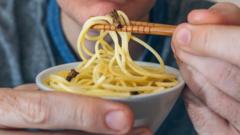
High Cuisine Meets the Contraband Insect Market
High-end chefs are facing criminal liability for serving unapproved insects, as regulatory enforcement catches up with the culinary trend of entomophagy. While Michelin-starred establishments in Paris, London, and New York regularly push boundaries by integrating ants, mealworms, and beetle larvae into tasting menus, local health authorities are enforcing strict novel food statutes. Serving uninspected invertebrates can lead directly to heavy fines, immediate closures, and jail sentences for restaurant operators.
The clash comes down to a fundamental misunderstanding of food law. Fine-dining operators often assume that because an ingredient is considered a traditional delicacy in South America or Southeast Asia, it is automatically legal to import and serve in Western cities. That assumption is flatly incorrect.
The Legal Trap Behind Exotic Ingredients
Food safety agencies operate on strict positive lists. If an ingredient is not explicitly approved for human consumption, it is illegal to distribute.
In the European Union, the Novel Food Regulation dictates that any food not consumed to a significant degree within the EU before May 1997 must undergo a rigorous safety assessment by the European Food Safety Authority (EFSA). The approval process takes years and costs hundreds of thousands of euros. Importing dried leafcutter ants in a suitcase from Colombia and sprinkling them over a dessert might win critical acclaim, but under local statutes, it constitutes the illegal distribution of unapproved food products.
The United States operates under a similar framework managed by the FDA. Insects intended for human food must be raised specifically for human consumption under sanitary conditions. They cannot be harvested from the wild, bought from pet stores, or brought through customs under misleading customs declarations.
Key Takeaway: Serving wild-caught or uncertified imported insects exposes restaurant owners to charges of reckless endangerment and violations of federal food safety acts.
Sourcing Reality and the Black Market Risk
Restaurateurs face a major bottleneck: the supply chain for certified, food-grade insects remains tiny and expensive.
Commercial insect farms must maintain rigorous testing standards. Invertebrates absorb environmental toxins, heavy metals, and pesticides rapidly. When a kitchen attempts to bypass certified suppliers to lower costs or acquire rare species, they enter hazardous territory.
+------------------------------------+---------------------------------------+
| Certified Insect Supply            | Unregulated / Wild Supply             |
+------------------------------------+---------------------------------------+
| Monitored feed substrate           | Bioaccumulation of environmental toxins|
| Microbe & pathogen screening       | Potential carrying of parasites       |
| Documented species verification    | Risk of misidentified toxic species   |
| Fully traceable chain of custody   | Zero traceability, illegal import risk|
+------------------------------------+---------------------------------------+
Inspectors look for clear paper trails. If a health inspector demands proof of origin for the grasshoppers in your larders and you cannot provide invoices from a licensed food producer, the entire inventory is seized. Repeated or willful violations move the case from administrative fines to criminal prosecution.
Chasing Trends Into a Regulatory Wall
Restaurateurs are constantly searching for novelty to justify high cover prices. Insects offer exotic flavors, striking visual presentation, and a narrative around sustainability.
Yet sustainable narratives do not override public safety codes. Regulators treat an unapproved beetle with the same scrutiny as unpasteurized milk from an unlicensed farm or black-market bushmeat.
Consider a hypothetical scenario: A high-profile chef imports a rare species of Amazonian wasp larvae directly from an unverified supplier, featuring it as the centerpiece of a $400 tasting menu. If a diner suffers severe anaphylaxis—a common cross-reactivity risk for people with shellfish allergies—the legal protections standard restaurants enjoy evaporate completely. The chef is left wide open to gross negligence charges and prison time.
The push toward insect gastronomy is outpacing the speed of legal frameworks. Until approval processes become streamlined, chefs who flirt with illegal insect sourcing are gambling their freedom for a viral dish.
The Path Forward for Experimental Kitchens
Restaurateurs who want to stay off the police blotter while serving bugs must adopt strict operational safeguards.
- Demand Third-Party Audits: Only purchase from farms that provide batch testing for heavy metals and bacterial contamination.
- Verify Species Approvals: Check local novel food catalogues before designing a menu around a new invertebrate.
- Maintain Traceability Documents: Keep detailed customs paperwork and vendor invoices on site for every exotic ingredient.
- Clear Allergy Warnings: Always flag insect dishes for customers with crustacean allergies to prevent fatal reactions.
The novelty of bug dining will continue to draw crowds. However, the line between avant-garde dining and a criminal indictment is remarkably thin, and health inspectors are no longer ignoring what is crawling onto the plate.