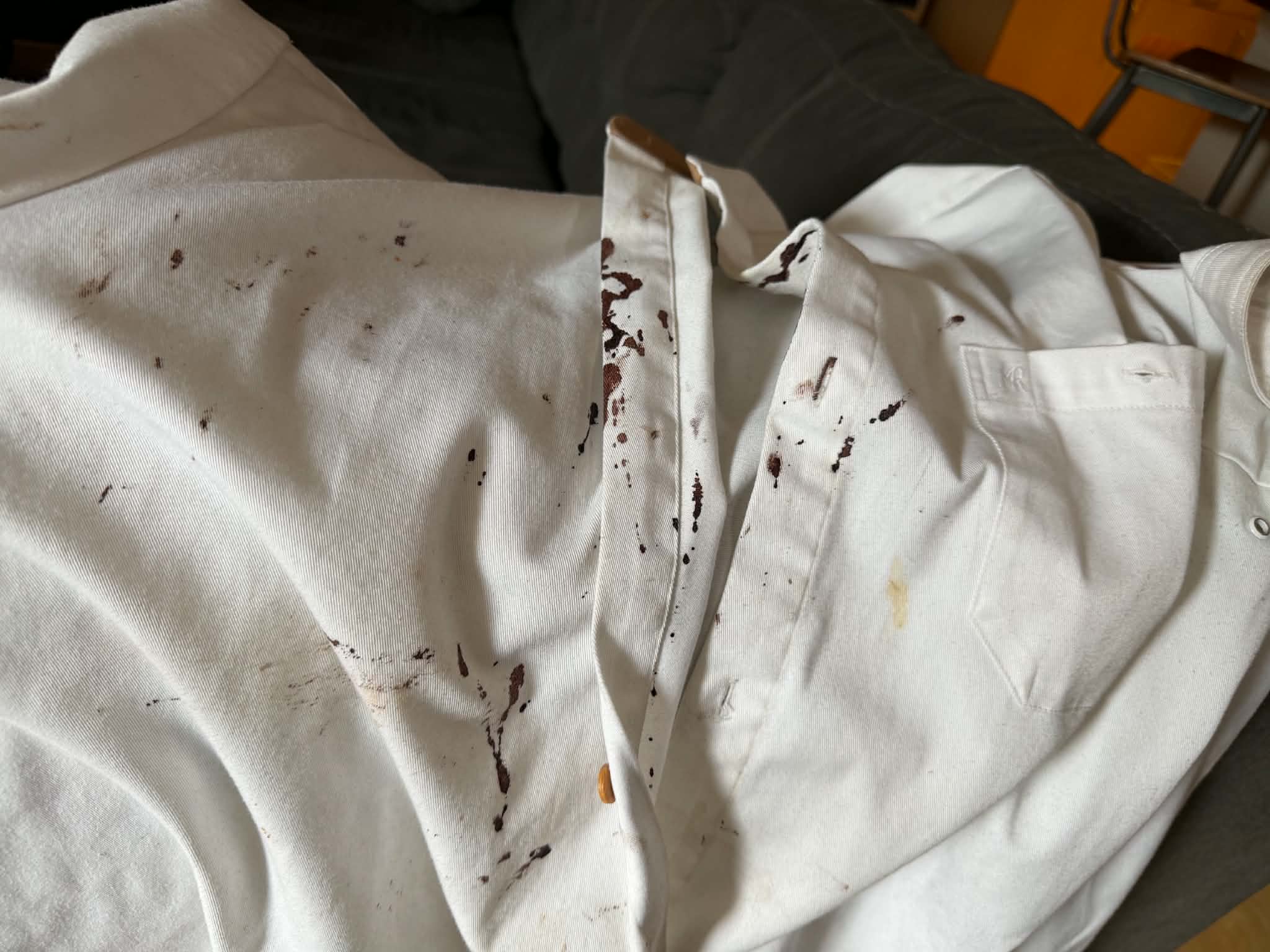
A standard refusal of service at a downtown Calgary cocktail bar recently escalated into a fractured jaw, stitches, and a multi-charge police arrest. When bartenders at Shelter Cocktail Bar on 1st Street SW noticed a couple entering the establishment who appeared visibly over-intoxicated, they executed a routine protocol. They chose not to serve them. What followed was not the standard grumbling or a disgruntled exit, but an explosion of physical violence that left manager and bartender Paulina Arteaga punched in the face and chef Richard McLaren with a broken jaw.
This is not an isolated case of late-night rowdiness. It is the visible symptom of a deep, structural crisis threatening the survival of Canada’s front-of-house workforce.
For decades, the unwritten contract of the service industry dictated that staff absorb verbal friction in exchange for tips and a steady paycheck. That contract is broken. Frontline workers are increasingly expected to act as untrained private security, mental health de-escalators, and physical buffers against an increasingly volatile public. The incident at Shelter Cocktail Bar exposes the fiction that premium branding or a high-end atmosphere shields a business from the raw undercurrents of street-level aggression.
The Escalation Mechanics of a Refusal
The timeline of the altercation on May 15 reveals how quickly routine operational decisions transform into crime scenes. According to staff accounts, the couple arrived around 6:30 p.m. When Arteaga informed the female patron that she would not be served, the initial interaction passed without incident. The flashpoint occurred moments later when the woman relayed the message to her male companion outside.
Witnesses described the man immediately becoming erratic and aggressive before entering the premises. He confronted Arteaga, berated her, and then swung wildly, striking her in the face. When McLaren rushed from the kitchen to intervene and separate the parties, he bore the brunt of the assault.
The Calgary Police Service eventually arrested both individuals, but not before the male suspect damaged the establishment’s door, fled on foot, and physically fought the responding officers. The charges laid tell the real story: assault by choking, common assault, mischief, and resisting arrest.
Shelter Cocktail Bar Altercation Timeline (May 15)
 6:30 PM ── Patrons enter; staff note signs of intoxication
 6:35 PM ── Service refused to female patron; customer exits to inform companion
 6:40 PM ── Male suspect enters, confronts manager, initiates physical assault
 6:42 PM ── Kitchen staff intervene; Chef McLaren suffers jaw fracture
 6:55 PM ── Police arrive; female arrested, male flees, fights police before custody
The Legal and Financial Void for Workers
When an assault occurs in a corporate office, a massive human resources apparatus swings into motion. In the independent restaurant ecosystem, the aftermath is much more precarious. McLaren suffered a hairline fracture to his jaw and required six stitches inside his mouth. He has been unable to work since the attack.
For an independent chef or a hospitality worker relying on physical presence and hourly wages, a fractured jaw is a financial catastrophe.
- Workers' Compensation Delays: Provincial insurance boards are notorious for bureaucratic backlogs, often taking weeks to verify claims related to workplace violence.
- The Gratuity Loss: No shifts means zero tip income, a variable component that forms the baseline of most service workers' real-world earnings.
- The Psychological Toll: Returning to the exact floor where a stranger broke your face requires a level of emotional labor that standard insurance policies simply do not quantify.
The operational reality is that small, independent venues cannot afford to staff dedicated, licensed security personnel during early evening hours. Shelter is a critically acclaimed establishment, recognized as one of Canada’s top 100 bars. It operates on intimate dynamics, craft execution, and curated experiences. Expecting a five-person skeleton crew to manage violent, non-compliant individuals during a shift transitions the job from hospitality to high-risk policing.
The Myth of the Controlled Environment
The industry has long operated under the assumption that price points and neighborhood demographics dictate safety. High-end cocktail lounges, wine bars, and fine-dining rooms historically viewed security bouncers as a necessity reserved for sprawling nightclubs or campus pubs.
That assumption has evaporated. Alcohol-fueled aggression does not respect a venue’s average check size or its interior design awards. When provincial liquor regulations place the legal onus on the bartender to cut off over-intoxicated patrons—under threat of personal fines and loss of the establishment’s license—the state effectively deputizes workers without providing them with protective infrastructure.
"Behind every bar, kitchen, and dining room are people simply trying to create a good experience for others, and violence toward hospitality staff should never be normalized or accepted."
— Management Statement, Shelter Cocktail Bar💡 You might also like: The Fragility of Deterrence Operational Dynamics of the US Iran Ceasefire Extension
The Calgary Police Service data indicates that downtown entertainment districts remain highly unpredictable. When police resources are stretched thin, response times can vary wildly. In this instance, officers arrived just before 7:00 p.m., roughly twenty-five minutes after the initial confrontation began. In a physical altercation, twenty-five minutes is an eternity.
Redefining the Scope of Labor Protection
Fixing this systemic vulnerability requires more than social media solidarity or signs taped to doors asking patrons to respect the staff. The industry requires concrete operational and structural adjustments to protect its workforce.
First, commercial insurance policies must evolve to include mandatory, immediate-payout riders for staff members injured by third-party violence on the premises, bypassing the lengthy adjudication periods of standard provincial boards. Second, municipal licensing should consider subsidized de-escalation and physical safety training for all hospitality staff, treating restaurant workers with the same occupational safety seriousness as transit operators or healthcare professionals.
Relying on the bravery of kitchen staff to save front-of-house managers from physical harm is a unsustainable strategy. If the hospitality industry wishes to retain talent in an already depleted labor market, the physical safety of the staff must take precedence over the comfort of the guest. The incident on 1st Street SW proved that a premium menu cannot protect a worker from a broken jaw. Only structural change can do that.