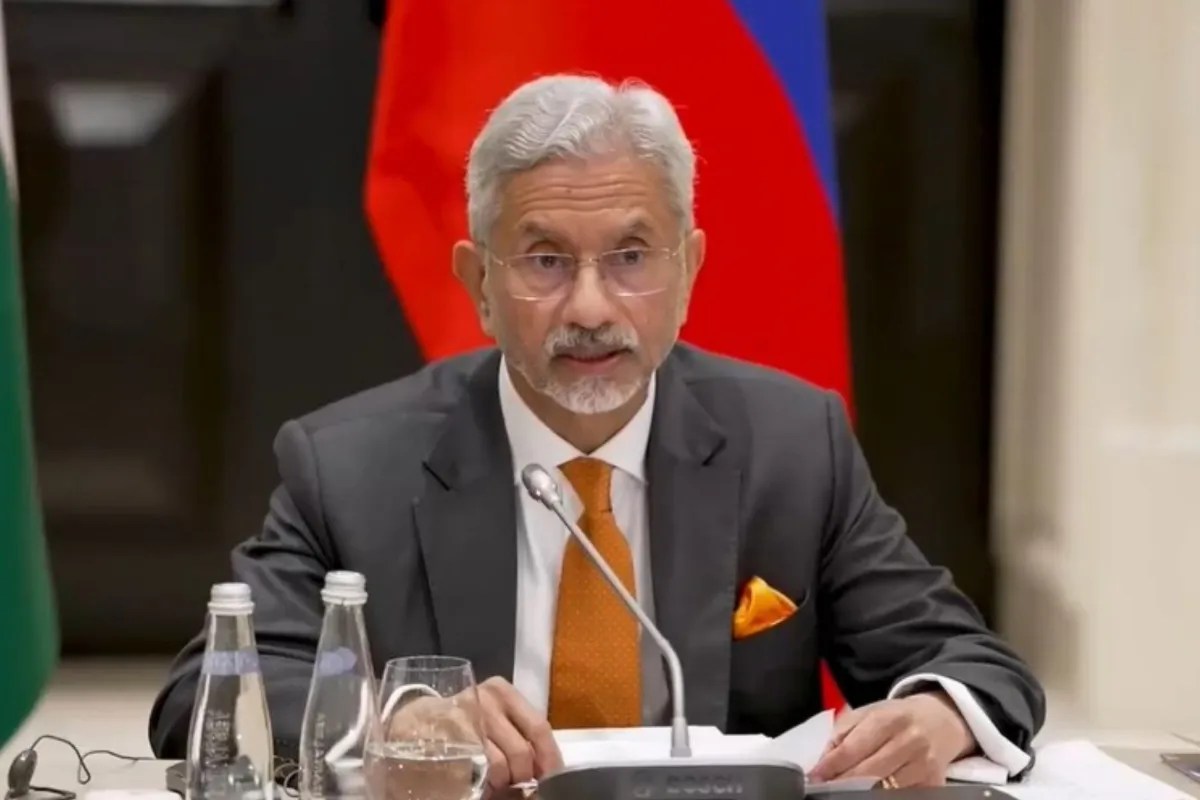
One single punchline turned a routine midterm stump speech into a two-week referendum on gilded populism, cultural elitism, and the architecture of American power. On October 24, 2026, during a Cleveland campaign rally for Ohio Senate candidate Sherrod Brown, former President Barack Obama mocked President Donald Trump’s second-term White House renovations—specifically a massive new ballroom, a paved-over Rose Garden, a South Lawn helipad, and pervasive gold trim—by quipping that Trump had "got the White House looking like Saddam Hussein opened a Cheesecake Factory". What started as a throwaway laugh line instantly detonated across Washington. Rather than brushing off the dictator comparison, Trump and his senior cabinet launched a coordinated counteroffensive defending the mall-based restaurant chain, transforming an aesthetic critique of executive excess into a potent cultural wedge issue days before the November midterm elections.
The speed with which the White House seized on the remark revealed how carefully political operatives monitor cultural fault lines. Most wire reports treated the exchange as mere campaign trail banter. They missed the underlying machinery. In modern American politics, debates over interior design rarely stay about wallpaper or gold leaf for long. They rapidly mutate into proxy wars over who belongs in the room and whose taste defines the nation.
Anatomy of a Campaign Trail Detonation
To understand why a joke about faux-classical columns and spiral-bound menus stuck, you have to look at the physical changes underway at 1600 Pennsylvania Avenue. Throughout his second term, Trump approached the Executive Mansion less like a temporary tenant and more like a commercial real estate developer taking over a distressed hotel property. He ordered the construction of a grand ballroom exceeding the footprint of the main residence, replaced segments of the historic Rose Garden lawn with hardscaping, added a dedicated South Lawn helipad, and applied extensive gold accents throughout the state rooms.
Obama’s Cleveland speech targeted those physical alterations to frame a broader argument about misplaced priorities. Speaking to a crowd in Ohio—and repeating the riff days later in Michigan for Senate candidate Abdul El-Sayed—Obama argued that while working families struggled with the cost of living, the sitting president was acting like an HGTV host obsessed with square footage and gilded fixtures.
The line landed because it fused two distinct visual references into a single devastating image. The first half invoked Saddam Hussein’s notorious palaces in Baghdad and Tikrit, sprawling marble complexes famous for gaudy gold-plated fixtures and theatrical displays of authoritarian wealth. The second half invoked The Cheesecake Factory, the Calabasas-headquartered casual dining chain renowned for its cavernous dining rooms, faux-Egyptian columns, hand-painted murals, and low-lit, maximalist baroque interiors.
It was a sharp piece of political rhetoric. Yet it carried a fatal vulnerability that Trump’s team spotted within hours.
Why the White House Weaponized Casual Dining
Trump did not ignore the jab. He amplified it.
Speaking to reporters en route to a Mississippi rally on October 26 and again from the podium that night, Trump expressed genuine indignation. Notably, he barely acknowledged the comparison to an executed Iraqi dictator. Instead, he zeroed in on the insult to the restaurant brand. "He said, 'This isn't a Cheesecake Factory.' Can you believe it?" Trump told the Mississippi crowd. "Which is a very successful company. He doesn't like successful companies." Trump went on to defend his White House overhaul as necessary structural stewardship, claiming the building had "cracks in the column" and required the "finest artisans in the world" to restore it to pristine condition.
What followed was an orchestrated display of culinary populism from the highest levels of the executive branch.
- The Treasury Secretary’s Lunch: That same Monday, Treasury Secretary Scott Bessent—a former hedge fund manager with an estimated net worth around $600 million—walked into a Washington, D.C. Cheesecake Factory for lunch. Speaking to Fox Business afterward, Bessent announced he had ordered his usual French Dip Cheeseburger and declared he would "tell the Martha's Vineyard set to give it a try".
- The Election Night Order: By November 3, as midterm returns rolled in, White House staffers gathered in the East Room for a viewing reception and conspicuously ordered dinner from The Cheesecake Factory, ensuring Fox News cameras and correspondents reported the menu choice live on air.
- Conservative Media Framing: Right-wing commentators immediately cast Obama’s joke as proof of coastal Democratic snobbery, portraying the former president as a Vineyard-vacationing elitist sneering at a restaurant where middle-class families celebrate graduations and anniversaries.
Obama quickly realized the trap. By Wednesday, October 28, he was forced onto the defensive, clarifying on the trail that he had no issue with the chain and that it had actually been his "jam for about a decade" while raising his two daughters. He also pointed out the telling asymmetry in Trump’s outrage, noting that the president wasn't bothered by being compared to Saddam Hussein, yet took massive umbrage on behalf of a corporate restaurant chain.
The Architecture of Affordable Opulence
To see why this skirmish resonated far beyond Washington, you have to understand what The Cheesecake Factory actually represents in American consumer culture. Founded in Beverly Hills in 1978 by David Overton, the chain built a multi-billion-dollar empire on a specific architectural and psychological formula that design critics call affordable opulence.
For roughly thirty dollars an entrée, a diner steps out of a suburban shopping mall parking lot and into a theatrical simulacrum of a Venetian palace. The ceilings soar. The lighting is warm and amber. The menus run twenty-plus pages, offering everything from factory-made Thai lettuce wraps to pasta carbonara, followed by towering slices of namesake cheesecake. It gives ordinary families a taste of aristocratic grandeur without the velvet ropes, sommeliers, or four-figure tabs of Manhattan fine dining.
Trump’s personal aesthetic operates on the exact same frequency.
Since the 1980s, when he unveiled the pink-marble-and-brass atrium of Trump Tower in Midtown Manhattan, Trump has practiced a populist version of luxury. His brand of wealth is deliberately legible to the working class. Old-money elites—the so-called Martha's Vineyard set—historically signal status through understatement: weathered cedar shingles, muted linen, minimalist modernist rooms, and quiet discretion. Trump signals status through maximum visibility: polished brass, twenty-four-karat gold leaf, crystal chandeliers, and oversized proportions.
When Obama mocked the gold trim in the White House, he was invoking the traditional tastefulness of the institutional establishment—the restrained Federal and Neoclassical palette favored by Jacqueline Kennedy’s 1961 restoration and preserved by nearly every administration since. To institutionalists, turning the People’s House into a gilded banquet hall cheapens the dignity of the presidency. To Trump’s base, however, the outrage of the credentialed class only confirms that Trump is bringing working-class aspirations of grandeur right into the center of power.
Historic Preservation Versus Executive Ego
Strip away the cable news shouting matches, and a serious governance question remains buried beneath the gold leaf. Who actually owns the aesthetic identity of the White House, and what checks exist when a president decides to fundamentally alter a historic landmark?
Technically, the White House sits under the jurisdiction of the National Park Service, and modifications to the historic state rooms are traditionally reviewed by the Committee for the Preservation of the White House, an advisory body established by executive order in 1964 to protect the museum-quality integrity of the residence. In practice, however, a sitting president wields immense unilateral authority over the grounds and interior decor, particularly when private donors or discretionary funds are mobilized to bypass congressional appropriations.
Every president leaves a mark. Harry Truman gutted the entire interior in 1948 to keep the building from collapsing. Richard Nixon installed a one-lane bowling alley in the basement. Barack Obama himself converted the White House tennis court so it could double as a full basketball court.
Yet Trump’s second-term construction blitz represents a sharp break in scale and permanence. Building a ballroom larger than the main executive residence alters the physical silhouette of the complex. Paving over sections of the Rose Garden—a space redesigned under John F. Kennedy as a living botanical stage for presidential announcements—replaces soft historic landscaping with rigid event infrastructure. Adding a permanent South Lawn helipad changes how the compound functions both visually and logistically.
Critics argue these upgrades reflect an authoritarian impulse to turn a temporary democratic residence into a permanent personal monument, echoing the vanity projects of strongmen abroad. Supporters counter that the existing East Room is notoriously cramped for modern state dinners, forcing administrations to erect expensive, climate-controlled tents on the South Lawn whenever hosting foreign leaders—a practical headache that Trump’s ballroom permanently solves. Both arguments hold weight. The White House is simultaneously a living museum and an active, high-security workplace that often struggles to accommodate twenty-first-century statecraft.
The Political Cost of Aesthetic Elitism
The broader takeaway from the Cheesecake Factory episode has less to do with interior design and more to do with the enduring trap of Democratic messaging.
Obama intended to highlight a stark contrast between Trump’s gilded palace-building and the economic anxiety of everyday voters. On paper, attacking a billionaire president for obsessing over gold fixtures during an affordability squeeze is textbook populist politics. Yet by anchoring the joke to a beloved middle-American restaurant chain rather than solely to Trump’s personal extravagance, Obama handed his opponents an easy counter-narrative.
In an era of extreme polarization, voters rarely hear the literal words a politician speaks; they hear the cultural posture behind them. When a Harvard-educated former president mocks a restaurant chain where millions of Americans happily spend their Friday nights, no amount of subsequent clarification about taking his daughters there for dinner fully erases the initial sting. Trump’s political instinct—ignoring the brutal comparison to Saddam Hussein while passionately defending the honor of a suburban restaurant—demonstrated an acute understanding of this dynamic.
Meanwhile, the actual policy disputes Obama raised in that very same Cleveland speech—rising consumer prices, missile stockpiles, and tensions in the Strait of Hormuz—vanished almost entirely from the news cycle. Cable panels spent days debating French Dip Cheeseburgers and faux-marble columns instead of foreign policy or inflation.
Gold leaf has always been designed to catch the light and distract the eye from what lies underneath, and in American politics, it still works every single time.