On September 30, 2026, Christa Pike walked into an execution chamber in Tennessee prepared to die. Instead, she became the only person in modern United States history to survive the administration of lethal injection drugs during an execution attempt. Following weeks of hospitalization under armed guard and intensive medical care, Pike was discharged and returned to the Deborah K. Johnson Rehabilitation Center—the maximum-security facility where she has spent more than three decades behind bars.
The incident has done far more than thrust an infamous case back into the headlines. It has blown open a raw, uncomfortable window into the mechanical reality of state-sanctioned execution, exposing the systemic vulnerabilities of lethal injection protocols that proponents have long insisted are infallible.
The Anatomy of a Procedural Collapse
To understand how an execution fails in the twenty-first century, one has to examine the brutal physics of vascular access under extreme state pressure. Pike, fifty years old and the only woman on Tennessee’s death row, spent over an hour strapped to a gurney while execution team members struggled to establish an intravenous line. Legal filings and witness accounts indicate that the team utilized roughly ten needles across multiple sites on both of her arms.
Veterans of correctional administration know that chronic stress, aging veins, and years of institutional confinement can make venous access extraordinarily difficult. When medical professionals or execution teams force multiple punctures under the gaze of witnesses and the ticking clock of a death warrant, margins for error evaporate. According to her defense attorneys, team members explicitly voiced concern that her veins were "blowing" or rupturing before the pentobarbital was ever introduced.
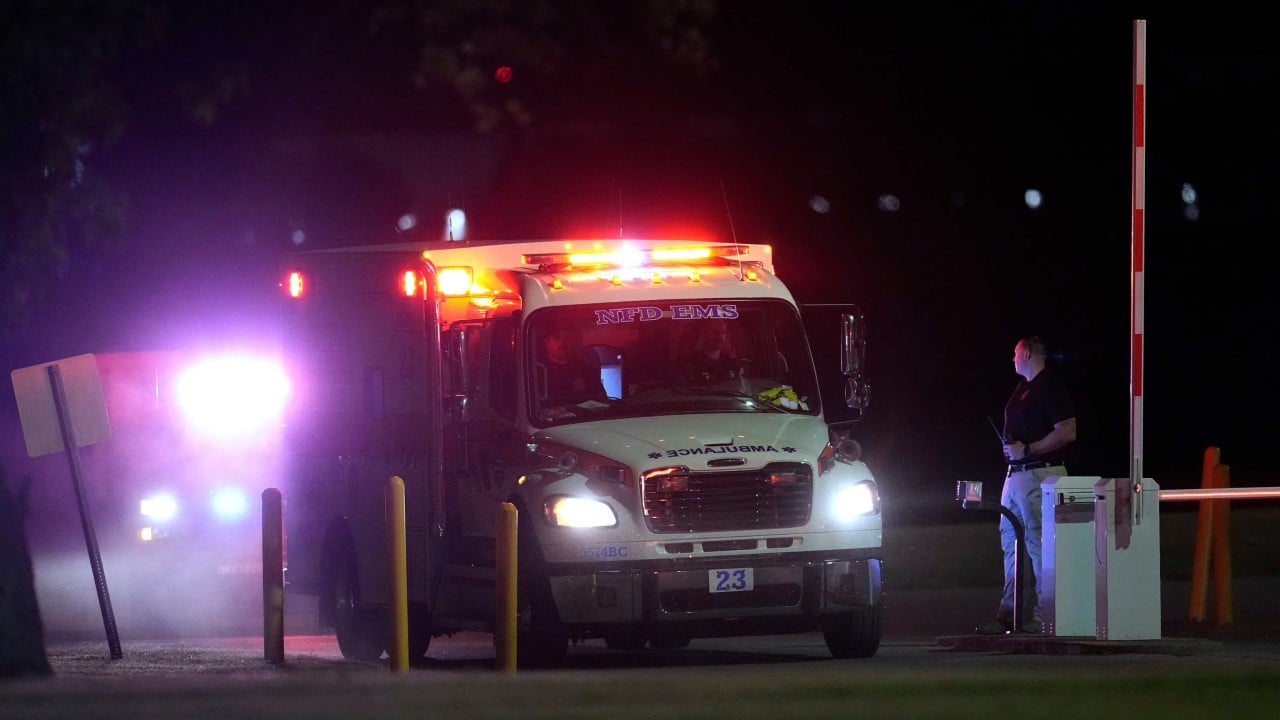
What followed was a horrific departure from protocol. Pike was administered the designated doses of pentobarbital, yet she remained conscious, vocalizing pain, lifting her head, blinking, and kicking off her covers. When the curtains finally closed for the second and final time, witnesses heard her breathing and, later, snoring. An ambulance was called, and Pike was rushed off-site to a hospital, where she remained unconscious on a ventilator for days before slowly regaining cognitive function.
The state of Tennessee did not execute a prisoner; it produced a medical emergency requiring external intervention, creating a constitutional and logistical quagmire that prison administrators are utterly unequipped to handle.
The Legal and Political Aftermath
The immediate fallout was swift. Tennessee Governor Bill Lee paused all remaining executions scheduled for the remainder of the year and appointed an independent former U.S. attorney to conduct a sweeping review of the catastrophic failure. The state's top prison official resigned, and governors in other states, such as Florida, pumped the brakes on pending lethal injections.
Yet, the legal mechanics grind forward with chilling coldness. Pike’s death warrant expired, but her sentence has not been vacated. The state retains the legal authority to seek a new warrant, placing the judiciary in an unprecedented ethical dilemma. Can a government legally strap a broken, traumatized inmate back onto a gurney after a botched attempt and try a second time without violating constitutional prohibitions against cruel and unusual punishment?
Legal battles have immediately pivoted to the preservation of evidence. Pike's defense team swiftly moved to secure remaining drug lot numbers, gurney restraints, and the needles used during the procedure. Simultaneously, the state has fought to restrict independent access to test the leftover pentobarbital, creating an adversarial wall of silence that deepens public distrust. Transparency is the natural enemy of archaic execution methods, and the Department of Correction has retreated behind standard boilerplate defenses, citing pending litigation while public scrutiny intensifies.
A Three-Decade Context of Isolation and Violence
To look only at the events of September 30 is to ignore the profound context of Pike’s life behind bars. Imprisoned at age twenty following the 1995 murder of nineteen-year-old Colleen Slemmer in Knoxville—a crime marked by harrowing brutality—Pike spent the vast majority of her adult life isolated on death row. Her defense documents and clinical evaluations have consistently highlighted a background of severe, compounded childhood abuse, trauma, and mental illness that predates her criminal acts by decades.
For thirty years, she lived in conditions characterized by restricted human contact and intense sensory deprivation. In a statement dictated to her lawyers following her return to the Deborah K. Johnson Rehabilitation Center, Pike described the physical and psychological toll of surviving the state's attempt on her life: "There hasn't been a moment since that night when I haven't been in pain. My body hurts. My arms hurt... And the pain isn't just physical. There is pain in my mind and in my soul."
The family of the victim, Colleen Slemmer, has expressed a wearisome desire for finality, a sentiment echoed by prosecutors who argue that justice demands the ultimate penalty be carried out. But the execution chamber is not a sterile environment where administrative justice is cleanly dispensed. It is a mechanical operation vulnerable to human error, failing equipment, and compromised biological variables.
When the machinery of death breaks down, it leaves behind an ambiguous middle ground where the state is paradoxically forced to provide intensive lifesaving medical care in an emergency room, only to return the healed prisoner to a cell to await the next attempt.
The system has proven that it can botch the process. Whether it possesses the introspection to acknowledge that the process itself is fundamentally broken remains the unanswered question of a fractured legal era.
Christa Pike discharged from hospital after surviving execution attempt, attorney says
This video report provides additional context regarding Christa Pike's discharge from the hospital and her return to custody following the failed execution attempt.