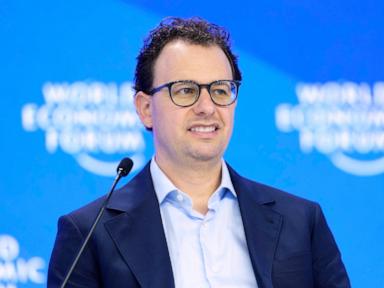
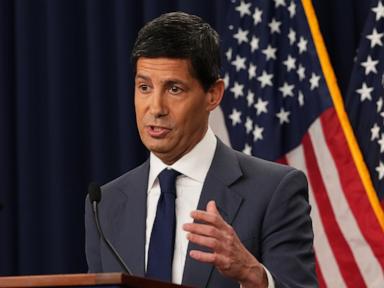
Skydance CEO David Ellison has confirmed that Elon Musk invested roughly $1 billion into the newly combined Skydance media empire, a cash injection that arrives as the company struggles with an $80 billion debt load following its $111 billion acquisition of Warner Bros. Discovery. Ellison praised Musk as a shareholder and pledged that HBO Max will still stream Alex Gibney's documentary on the billionaire. Yet behind the public flattery lies a far harsher balance-sheet reality. A billion dollars sounds enormous until you compare it against interest expenses projected to top $6 billion next year.
Media coverage of this deal has largely treated Musk's check as a victory lap for Hollywood consolidation. It isn't. When a megamerger packs two historic studios—Paramount and Warner Bros.—alongside shrinking cable networks under one roof, a single billionaire stake looks less like a vote of confidence in cinema and more like oxygen in a smoke-filled room.
Why Cash Matters More Than Glamour Now
Most executives love talking about intellectual property, theatrical slates, and streaming subscribers. Debt collectors only care about free cash flow.
Skydance closed its $111 billion takeover of Warner Bros. Discovery on October 6, creating a sprawling conglomerate led by David Ellison and co-CEO Ynon Kreiz. That deal turned legacy Hollywood into a four-studio race alongside Disney, Sony, and a soon-to-be-independent NBCUniversal. It also saddled the business with roughly $80 billion in net debt. Interest payments alone are expected to exceed $6 billion annually.
Consider a hypothetical example to see how tight the math gets. Suppose a studio unit generates $2 billion in operating profit in a given year, while interest costs consume most of that cushion before taxes and capital spending even enter the picture. Even a $1 billion equity infusion helps stabilize liquidity and reassure nervous lenders, yet it cannot erase an eight-figure-billion debt overhang on its own.
Management has already moved to trim fat. In its first quarterly report on November 9, Skydance committed to cutting more than $6 billion in annual costs over three years while continuing layoffs into the first quarter of next year. Investors noticed the tension immediately. Shares spiked to $8.70 on November 9 after the earnings release, only to slide to a low of $6.20 by November 20 as Wall Street weighed integration risks against a $200 million profit hit from Warner's lagging 2026 theatrical slate.
- Debt service pressure: Annual interest costs projected above $6 billion leave almost zero margin for box-office misses.
- Cost-cutting mandate: A three-year plan to strip out more than $6 billion in expenses puts pressure on every division from studio production to corporate overhead.
- Stock volatility: Swings between $8.70 and $6.20 in less than two weeks show how skittish institutional holders remain.
Newsrooms Under a New Shareholder Shadow
Money in media rarely stays confined to accounting ledgers. It inevitably brushes up against editorial independence.
Through Skydance, Musk now holds an indirect stake in both CBS News and CNN. That is no small detail for reporters covering tech policy, federal contracts, artificial intelligence, or spaceflight—sectors where Musk's companies sit right in the middle of the story.
Ellison has sought to project calm and candor. He confirmed Musk's investment publicly, compared him to historical inventors like Nikola Tesla and Thomas Edison, and stated that HBO Max will honor its Pay 1 distribution agreement with A24 to release Alex Gibney's documentary Musk. Honoring a pre-existing distribution contract is a smart move to ward off immediate accusations of censorship.
Still, contracts and good intentions do not settle every question. Reviews of digital coverage from both CNN and CBS News after the confirmation found no routine disclosure that Musk is an investor in their parent company. In an era when public trust in legacy news organizations is already fragile, omitting a prominent shareholder's name from related stories hands critics an easy target.
| Pressure Point | What Management Is Doing | What Could Go Wrong |
|---|---|---|
| Balance Sheet | Raising equity, targeting $6B+ in cost cuts over three years, and trimming headcount. | Linear TV declines faster than expected, squeezing cash needed for interest. |
| Content & Streaming | Pledging $30B in annual content spend, 30+ theatrical films a year, and merging Paramount+ with HBO Max. | App mergers alienate subscribers while heavy spending strains budgets. |
| Newsroom Credibility | Confirming the stake openly and keeping Gibney's Musk documentary on the HBO Max slate. | Unclear conflict-of-interest disclosures erode audience trust on Musk coverage. |
The Streaming Squeeze and Sovereign Money
Streaming was supposed to rescue old-line studios from cable cord-cutting. Instead, it turned into an expensive tug-of-war over subscriber retention and ad dollars.
Skydance plans to merge Paramount+ and HBO Max into a single streaming experience while raising prices on Discovery+. That strategy makes sense on paper. Combining catalogs reduces duplicate tech stacks and marketing spend, helping pay down debt faster. In practice, bundling prestige drama, blockbuster franchises, reality programming, and live sports under one roof risks muddying brand identity if pricing and user experience are botched.
Who Else Helped Bankroll the Deal
Musk is far from the only heavy hitter in Skydance's orbit. Equity investors backing the Paramount and Warner Bros. Discovery combination also included sovereign wealth funds from Saudi Arabia, Qatar, and Abu Dhabi.
Bringing in Gulf sovereign capital alongside a billionaire tech founder underscores a simple truth about modern media megadeals. Domestic entertainment balance sheets alone often cannot carry nine- or eleven-figure price tags without outside pools of patient or strategic money.
Ellison has left the door open to future collaboration with Musk, including a potential Starlink tie-up, though nothing is planned yet. If a satellite or distribution link ever materializes, it would test whether Musk views Skydance purely as a financial play or as a bridge between his industrial empire and mainstream entertainment.
What This Means for Watchers and Investors
Decades of media mergers have taught one consistent lesson. Scale does not guarantee profit if the underlying business model is bleeding and interest rates bite hard.
Anyone tracking Skydance should look past red-carpet hype and watch three concrete metrics over the next year: quarterly free cash flow after interest, subscriber churn when Paramount+ and HBO Max merge, and whether newsrooms adopt clear, consistent disclosures whenever Musk's ventures enter the headlines. A $1 billion check buys breathing room, not immunity from gravity.