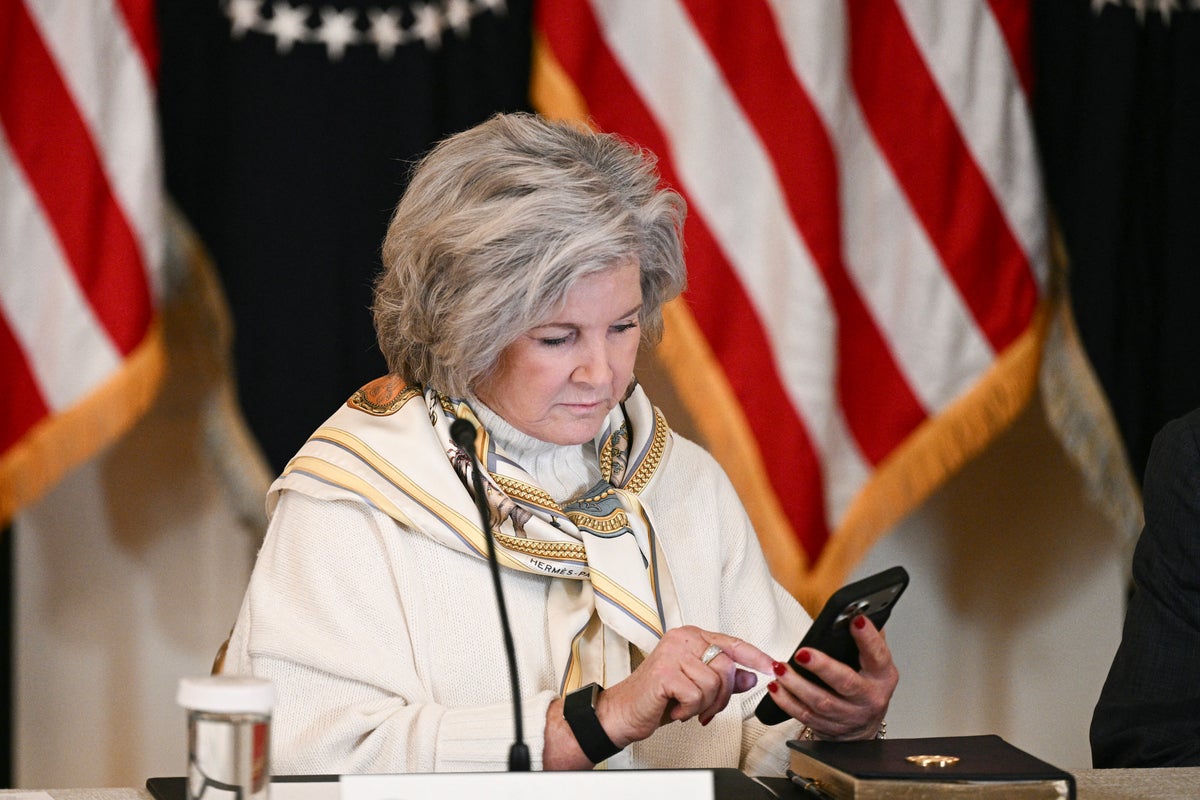
The modern diplomatic red phone has been reduced to an encrypted messaging thread, and threat actors are walking right through the front door. When UK Prime Minister Andy Burnham recently exchanged text messages with an individual impersonating White House Chief of Staff Susie Wiles, it exposed far more than an embarrassing lapse in Downing Street vetting. It laid bare a persistent, structural vulnerability in how top-tier global executives and political leaders communicate across borders.
The White House has strenuously denied that Wiles’ personal or official devices were compromised in this specific instance, pointing instead to the lingering fallout of a separate contact-list breach from the previous year. Yet the distinction between a compromised device and an exploited contact graph matters very little to the target on the receiving end. Whether an adversary holds the physical handset or merely weaponizes a stolen address book, the resulting social engineering attack exploits the exact same human weakness: the blind trust placed in familiar digital handles.
The Mechanics of High-Level Impersonation
Statecraft relies on informal, rapid channels. When a head of government or a key aide reaches out via text, security protocols often take a back seat to the immediate demands of political coordination.
Last year's federal investigations into the targeting of Wiles' contacts revealed a blueprint that malicious actors continue to refine. Fraudsters do not necessarily need to bypass the cryptographic protections of a government-issued smartphone to wreak havoc. By harvesting or buying cached contact books, metadata, and relationship mappings, scammers can initiate conversations from unlisted numbers while successfully adopting the nomenclature, cadence, and urgency of high-ranking officials.
For a newly installed leader like Burnham, who took office in Downing Street facing an immediate press of international friction, a text appearing to come from the gatekeeper of the West Wing is treated as an operational priority. By the time suspicion arises—often prompted by a subtle shift in phrasing or a sudden request to migrate the conversation to an encrypted third-party platform like Telegram—the psychological damage is already done.
Beyond the Official Denials
The immediate reflex of any administration caught in the crosshairs of a security breach is containment. The White House insists that Wiles' hardware remains secure, drawing a sharp administrative line between an active device hack and a generalized social engineering campaign.
From an investigative standpoint, this defense relies on a semantic shield. If a bad actor can message a G7 leader while wearing the digital mask of the US president's most powerful aide, the structural integrity of diplomatic communications has failed, regardless of whether the exploit originated from a stolen database or malware on a secondary phone.
Security analysts who spent years tracking spear-phishing campaigns note that political elites are uniquely vulnerable. They maintain vast, fluid networks of contacts across intelligence, corporate, and political spheres. Their telephone numbers are traded among lobbyists, foreign emissaries, and journalists. When an imposter slips into that ecosystem, they inherit an institutional halo of authority that requires extraordinary skepticism to pierce.
The Institutional Failure to Adapt
What makes the Burnham incident particularly troubling is its familiarity. This is not an unprecedented zero-day exploit requiring quantum computing or sophisticated state-sponsored malware. It is a low-tech, high-yield confidence trick dressed up in modern digital attire.
British officials quickly raised the matter with the US embassy in Washington, and Downing Street retreated behind standard national security non-answers. But the frequency of these episodes suggests that neither Western intelligence agencies nor executive branch security details have solved the verification problem. Former British Foreign Secretary David Cameron fell victim to a nearly identical video-call hoax, and European leaders have repeatedly been duped by pranksters posing as foreign dignitaries.
As artificial intelligence tools make voice cloning, stylistic mimicry, and automated social engineering cheaper and more convincing, the gap between secure government channels and the porous world of mobile messaging grows wider. Denying that a phone was hacked does nothing to stop an adversary from exploiting the human tendency to believe what convenience dictates: that the person on the other end of the screen is who they claim to be.