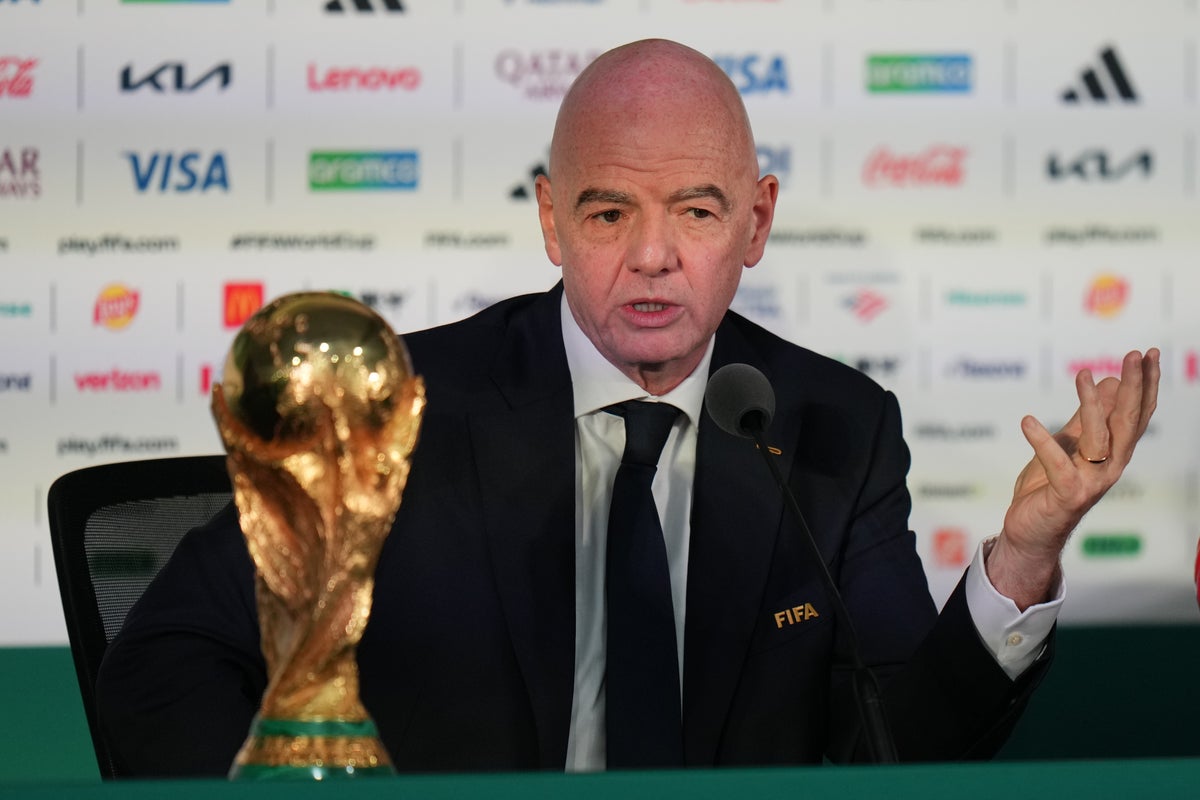
The corridors of global football governance have long operated on a diet of closed-door compromises, but the recent announcement regarding a multi-billion-dollar commercial asset sell-off shattered even the most flexible standards of transparency. When global football's governing body revealed intentions to package its premier tournaments into a standalone commercial subsidiary, regional leaders across the Americas and Asia learned about the multi-billion-dollar monetization strategy not through official diplomatic channels, but via media leaks.
For the Confederation of North, Central America and Caribbean Association Football and the Asian Football Confederation, this sudden exclusion exposed a deeper systemic vulnerability. Representing nearly half of the world's football associations, these regions found themselves completely bypassed while executive leadership negotiated a massive structural shift behind locked doors.
Public statements from Kuala Lumpur and regional headquarters across the Americas mirrored a rare, united frustration. Both bodies issued sharp rebukes, noting that an initiative of such magnitude should never enter the public domain before member federations have time to evaluate the terms through established governance channels. Yet, the shockwaves go far beyond hurt diplomatic feelings. This maneuver highlights an aggressive centralization of power that threatens to strip regional administrators of any meaningful influence over how the sport's wealth is generated and distributed.
The Mechanics of the Twenty Billion Dollar Pivot
To understand why this strategy caught regional administrators off guard, one must examine the financial mechanics proposed by global executives. Working alongside major financial institutions, leadership advanced plans to establish a dedicated commercial enterprise designed to sell minority, non-controlling stakes in the commercial rights of the men's and women's World Cups, alongside the expanded Club World Cup.
The stated objective involves unlocking an estimated twenty billion dollars in private investment. Proponents argue that spinning off commercial operations into a separate corporate entity will streamline marketing, boost sponsorship returns, and eventually increase the annual solidarity funding distributed to national associations from eight million dollars to twenty million dollars per year. For smaller federations across Asia, Africa, and the Americas, twenty million dollars represents an existential financial lifeline.
However, introducing private equity into the architecture of international sport creates profound conflicts of interest. When external investors acquire equity stakes in sports properties, their primary fiduciary duty shifts toward maximizing quarterly returns and capital growth. This commercial imperative naturally clashes with the developmental goals of regional bodies.
An investor group driven by profit maximization will inevitably lobby for scheduling changes, more frequent marquee fixtures, and host selections skewed exclusively toward ultra-wealthy markets. By keeping regional confederations in the dark during the formative stages of this deal, leadership effectively shielded the proposal from immediate operational pushback, ensuring that financial engineering took precedence over sporting integrity.
The Anatomy of Regional Disconnect
The governance model of international football rests upon a fragile hierarchy. While global executives retain ultimate regulatory authority over the match calendar and tournament rules, regional confederations manage continental qualifying pathways, regional championships, and grassroots development. When sweeping commercial changes bypass these intermediate layers of governance, the entire pyramid tilts out of balance.
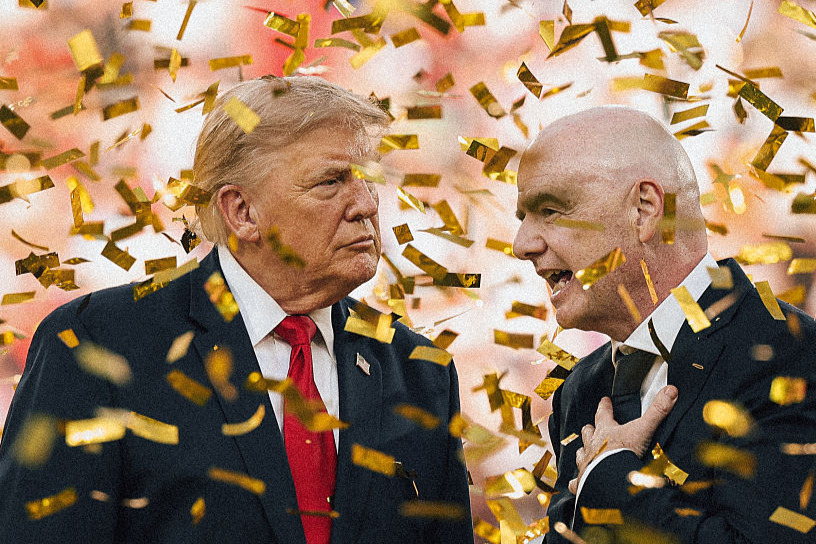
For the American confederation, the timing could not be more delicate. Fresh off managing a massive continental tournament footprint, regional administrators face the complex task of reshaping their qualifying structures to accommodate expanded tournament slots. Instead of collaborating on long-term sustainability, local leadership spent precious hours responding to sudden press inquiries about external equity partners and potential ties to high-profile political figures reported by British media outlets.
Meanwhile, the Asian confederation faces its own distinct pressures. Encompassing forty-seven member associations spread across immense geographic distances, the AFC relies heavily on predictable revenue sharing and transparent consultation to maintain internal unity. When major commercial directives drop without warning from Zurich, it undermines the authority of local executive committees who must explain these sweeping changes to domestic leagues and national governments.
This top-down enforcement style alienates the exact stakeholders required to implement global mandates on the ground. When regional bodies feel sidelined, compliance becomes transactional rather than collaborative.
The Conflict Between Profit and Governance
The core tension of modern sports administration centers on a simple question: Can a global governing body act simultaneously as an impartial sports regulator and an aggressive corporate holding company?
Historically, football's governing statutes positioned the organization as a non-profit custodian of the game, tasked with reinvesting surpluses back into global development. Transitioning core tournament assets into a commercial subsidiary blurs this boundary permanently. Even if leadership insists that voting control and regulatory power remain exclusively within the traditional governing framework, commercial partners holding multi-million-dollar equity stakes will inevitably exert subtle, persistent pressure behind the scenes.
Consider the hypothetical scenario of a commercial stakeholder demanding an expansion of the tournament cycle from a four-year interval to a biennial schedule to double broadcast inventory. While regulatory committees might officially reject the proposal on player welfare grounds, the financial friction between the governing body and its equity partners would create severe operational instability.
Regional confederations understand this dynamic acutely. They know that once private capital embeds itself into the commercial bloodstream of the World Cup, the leverage shifts away from federations and toward boardrooms. By blinding American and Asian stakeholders to these negotiations, leadership minimized the risk of organized resistance from the two regions with the largest emerging fanbases and commercial growth potential.
Navigating the Fallout
The immediate diplomatic fallout leaves international football at a crucial crossroads. European governing bodies have already signaled potential legal challenges, characterizing the commercialization push as an attempt to trade the soul of the sport for short-term liquidity injections. As regional assemblies convene in the coming weeks to review the proposals, the demand for transparency will only intensify.
National associations are beginning to realize that passive acceptance of executive mandates carries an unsustainable long-term cost. If financial windfalls are secured by sacrificing structural transparency and regional representation, the grassroots development of the game will ultimately pay the price. The blindside maneuver may have succeeded in forcing the initiative into the open, but it has permanently altered the trust between regional administrators and global headquarters.
The coming months will test whether regional confederations possess the collective leverage to force a restructuring of these investment terms, or if the corporate transformation of global football will proceed over their objections. Every major federation now faces a stark choice between accepting increased financial subsidies under corporate terms or demanding a return to true multilateral governance before the commercial architecture of the sport is locked in stone.