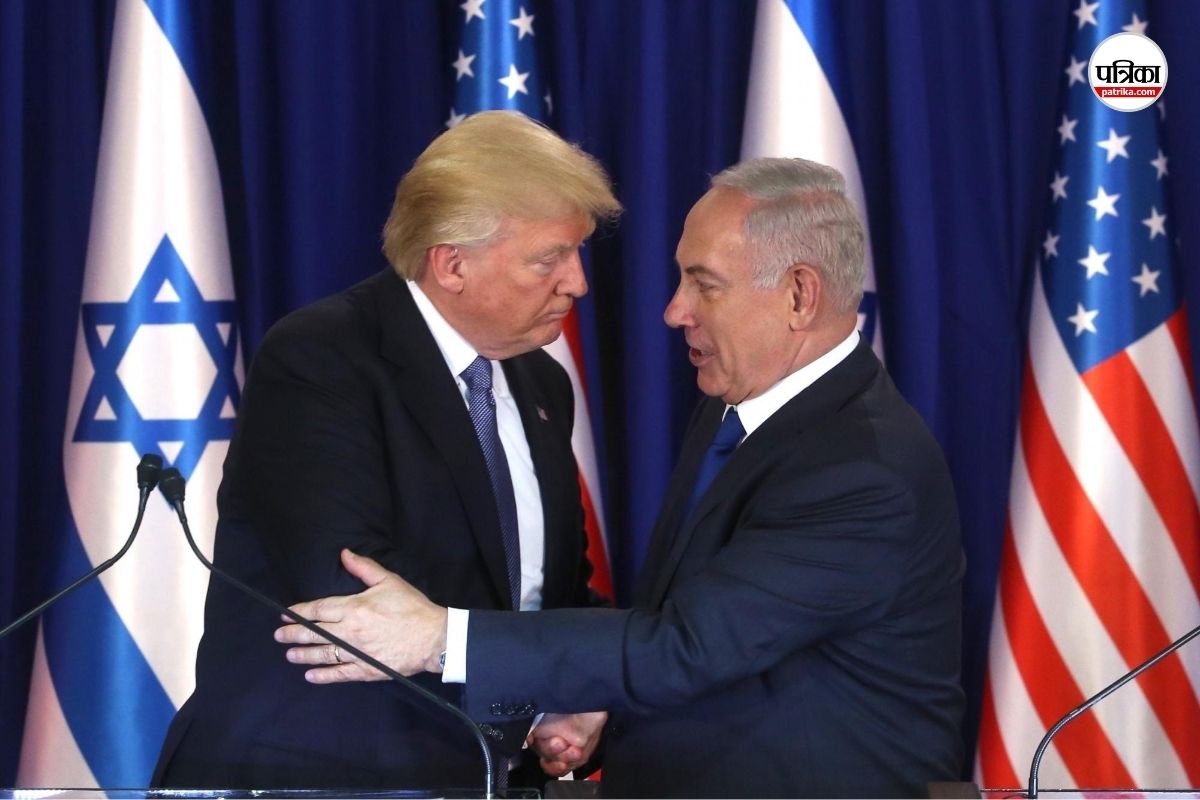
The standoff between Washington and Jerusalem over the Gaza ceasefire roadmap has reached a breaking point, exposing the severe limits of American leverage in the Middle East. Israeli Prime Minister Benjamin Netanyahu’s outright rejection of the United States-backed 15-point peace plan has created an unprecedented diplomatic collision with Donald Trump’s administration. Beneath the surface of high-stakes shuttle diplomacy led by Jared Kushner, a much deeper political survival game is being played out, one where domestic electoral survival supersedes international strategic alignment.
To understand why this friction has intensified, one must look at the sequencing trap embedded in the current negotiations. The framework championed by Trump's Board of Peace dictates a phased Israeli military withdrawal from the strip concurrently with the decommissioning of militant infrastructure. Netanyahu has flatly refused this synchronization, insisting on full and prior disarmament of Hamas before any withdrawal of Israel Defense Forces from the roughly sixty percent of the territory they currently occupy.
This is not merely a tactical disagreement over military posture. It is a fundamental structural deadlock.
The Domestic Trap Driving Jerusalem
Netanyahu is fighting for his political life. Facing a challenging electoral calendar with a looming national vote, the prime minister is anchored to a right-wing governing coalition that views any territorial concession as an existential betrayal. Agreeing to a staged withdrawal under foreign pressure would fracture his base entirely.
Publicly, Netanyahu has adopted a defiant posture, framing his refusal as a necessary defense of national sovereignty even against close allies.
- Coalition partners demand total military dominance.
- The electorate remains deeply fractured over post-war security.
- Political survival depends on maintaining an uncompromising stance on security control.
When Kushner touched down in Jerusalem for hours-long closed-door discussions alongside former British Prime Minister Tony Blair, the objective was to find a compromise that could bypass this domestic paralysis. Yet, the outcome yielded no major breakthrough. Instead of a comprehensive pullback, the parties agreed only to establish narrow working groups focusing on disarmament mechanics and public health, kicking the substantive political decisions down the road while military operations continue at a calibrated pace.
Regional Pressures and the Limits of Washington's Vision
Washington finds itself cornered by its own initiative. The Board of Peace framework relies heavily on regional integration and Arab financial backing for reconstruction. However, key regional heavyweights, including Saudi Arabia and the United Arab Emirates, recently issued sharp rebukes condemning Israel’s obstruction of the peace blueprint. These nations have made it clear that normalization and reconstruction funds are tethered to a credible pathway toward Palestinian self-determination—a concept that Netanyahu’s government rejects outright.
Meanwhile, Hamas has expressed tactical compliance with the roadmap's text, effectively turning the diplomatic tables to paint Israel as the sole obstacle to ending hostilities. This move has successfully placed immense pressure on Western mediators to compel Israeli compliance, an outcome Washington is ill-equipped to enforce without resorting to drastic measures such as withholding military assistance—a step political realities in Washington make highly unlikely.
The reality on the ground reflects this diplomatic paralysis. Millions of displaced civilians remain trapped in devastating conditions, caught between an occupying military presence that controls the majority of the strip and a militant leadership demanding complete cessation of hostilities before surrendering arms. Periodic air strikes continue under the banner of preemptive self-defense, ensuring that the baseline of violence remains high despite international declarations of breakthroughs.
As the political clock ticks toward the upcoming election cycle, the friction between the White House and Jerusalem is transforming from a temporary disagreement into a structural crisis. Trump’s vision for a managed, post-war reconstruction of the enclave is colliding with the hard reality of local political survival, leaving the entire diplomatic architecture suspended in mid-air with no clear exit strategy.
Netanyahu rejects Trump's Gaza peace plan
This video provides context regarding Benjamin Netanyahu's public rejection of the US-backed peace framework and the ensuing diplomatic friction.
http://googleusercontent.com/youtube_content/1