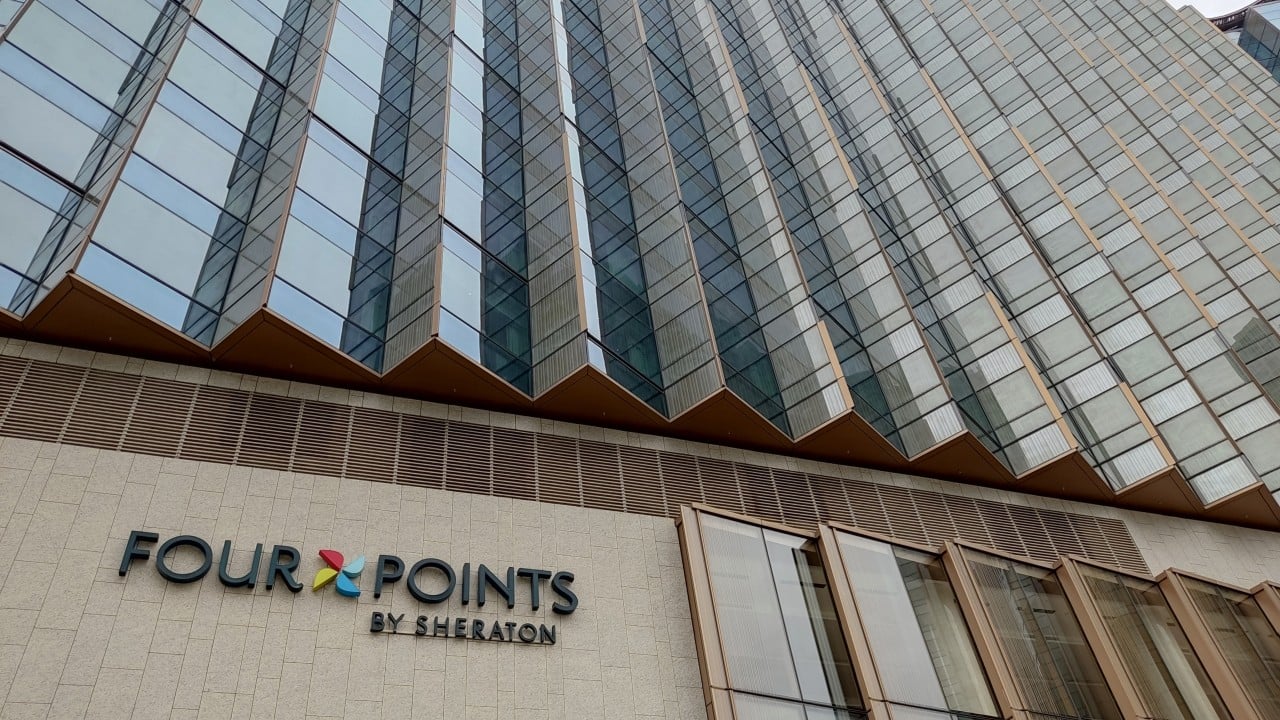
The forced liquidation of premium hospitality assets in Hong Kong is accelerating. Creditors and traditional lenders are moving past the point of polite restructuring, aggressively pushing to offload at least two major commercial hotel properties to recoup capital. For months, the market narrative framed these movements as standard pandemic recovery lag. That story is dead. What is actually unfolding across the financial hub is a quiet, systemic panic among commercial banks desperate to clean up their balance sheets before property valuations sink any further.
The immediate trigger is clear. Highly leveraged property owners can no longer service their debts in a high interest rate environment, pushing mainland and local developers to the brink. When these borrowers default, banks face a grim choice. They can either extend the loan terms and pray for a market miracle, or seize the collateral and sell it into a frozen market. Right now, international and regional banks are universally choosing the exit door, even if it means locking in massive financial losses.
The Illusion of the Post Pandemic Rebound
For the past two years, hotel operators clung to the hope that a return of mainland Chinese tourists and international business travelers would rescue depressed room revenues. The data tells a much harsher story. While occupancy rates have crept upward, the average daily rate and revenue per available room remain stubbornly below the peaks of the previous decade.
More importantly, the underlying value of the real estate itself has decoupled from operational performance. A hotel can run at eighty percent capacity and still be technically insolvent if its acquisition was funded via floating-rate debt arranged when borrowing costs were near zero.
Consider how the math breaks down for a typical mid-to-high-end property in areas like Wan Chai or Tsim Sha Tsui. A developer who took out a one-billion-dollar loan in 2019 at a spread over the Hong Kong Interbank Offered Rate was paying minimal debt service. Today, with that same benchmark rate hovering at elevated levels, annual interest obligations have more than doubled. The cash flow from room bookings and food operations cannot cover the interest, let alone the principal. The asset becomes a cash-burning liability overnight.
Why Banks are Panicking Now
Traditional lenders are historically patient institutions. They prefer out-of-court workouts because foreclosing on a massive commercial asset is legally tedious and public. It signals to the market that a loan has gone bad, forcing the bank to set aside capital reserves against the loss.
That patience has expired. The change in behavior is driven by pressure from financial regulators and global headquarters to minimize exposure to non-performing commercial real estate loans.
Banks are looking at the forward curve for property values and realizing that waiting does not offer safety. If they sell a seized hotel today at a thirty percent discount, it hurts. If they wait another twelve months and the commercial real estate market drops another fifteen percent, the hit to their balance sheet becomes existential.
This urgency explains the aggressive marketing tactics currently seen in the private wealth and institutional funds space. Receivers appointed by creditors are bypassed standard, slow-moving public tenders. Instead, they are directly approaching sovereign wealth funds, opportunistic private equity firms, and family offices with quiet, off-market invitations to bid. The message is clear: make us a credible offer, and we will hand over the keys.
The Ghost Buyers of the Commercial Market
You would think that discounted prime real estate in one of the world's premier financial centers would trigger a bidding war. It hasn't. The pool of institutional buyers willing to step into the Hong Kong hospitality sector has shrunk dramatically.
Global private equity funds, particularly those managed out of New York or London, face their own domestic headaches. They are dealing with collapsing office valuations in Western cities and institutional investors who are demanding capital distributions rather than new deployments in volatile regions.
The buyers remaining at the table are highly opportunistic. They operate with absolute ruthlessness because they know time is on their side. These buyers are not looking for a fair price. They are hunting for blood in the water.
The Valuation Chasm
The primary roadblock to completing these sales is a massive gap in expectations between what the banks need to recover and what buyers are willing to risk.
- The Bank Position: Lenders want a price that covers the outstanding principal of the original loan, allowing them to exit the transaction with zero net loss on the books.
- The Buyer Position: Investors calculate value based purely on current cash flow yields and a steep risk premium, demanding discounts of forty to fifty percent off 2019 valuations.
- The Result: Properties sit on the market for months under receivership. The debt continues to accrue interest, making the eventual financial shortfall even worse for the original owners.
The Long-Term Scarring of the Real Estate Sector
This fire sale trend matters because it permanently resets the floor for commercial property valuations across the territory. Real estate valuation relies heavily on comparable sales data. When a major hotel sells at a deep discount under pressure from a creditor, that transaction becomes the new benchmark for every other appraiser assessing similar properties in the city.
A single forced sale can trigger a chain reaction. A neighboring property owner, completely current on their payments, might suddenly find that the paper value of their asset has dropped. If their loan-to-value covenant dictates that the debt cannot exceed sixty percent of the property's appraised worth, a sudden drop in market benchmarks can force them to inject fresh equity to balance the ratio. If they lack the cash, they face default too.
This is the hidden mechanism through which localized distress transforms into a broader market contagion. It forces healthy companies to play defense, starving the wider economy of investment capital.
The Structural Realities of a Changing Hub
To understand the trajectory of these hotel assets, you have to look past the financial spreadsheets and examine the changing structural identity of Hong Kong. The city is transitioning. The historical mix of high-spending international business executives and luxury retail tourists from the mainland is shifting toward budget-conscious day-trippers and regional travelers.
This shift changes the utility of the real estate. A luxury hotel requiring high maintenance capital expenditure and a massive staff footprint may no longer be viable under the new economic reality.
Savvy buyers entering this market are not planning to run these properties as traditional hotels. They are already running feasibility studies to convert hotel rooms into student housing, co-living spaces, or private medical suites. These conversions bypass the volatile tourism economy and provide stable, predictable rental yields that match the current high-cost environment.
Lenders are realizing that the premium hospitality model in Hong Kong is overbuilt for the current decade. The aggressive push to liquidate these two properties is not an isolated incident of bad management. It is an explicit acknowledgment by the banking sector that the old valuations are never coming back.
Lenders who accept this reality immediately and cut their losses will survive to deploy capital into the next market cycle. Those who continue to extend loans and obscure reality under accounting maneuvers are simply delaying an encounter with a much larger financial reckoning. Step one for any fund eyeing this space is ignoring the historical acquisition prices completely and pricing the asset based solely on what it can generate in a permanently altered city.