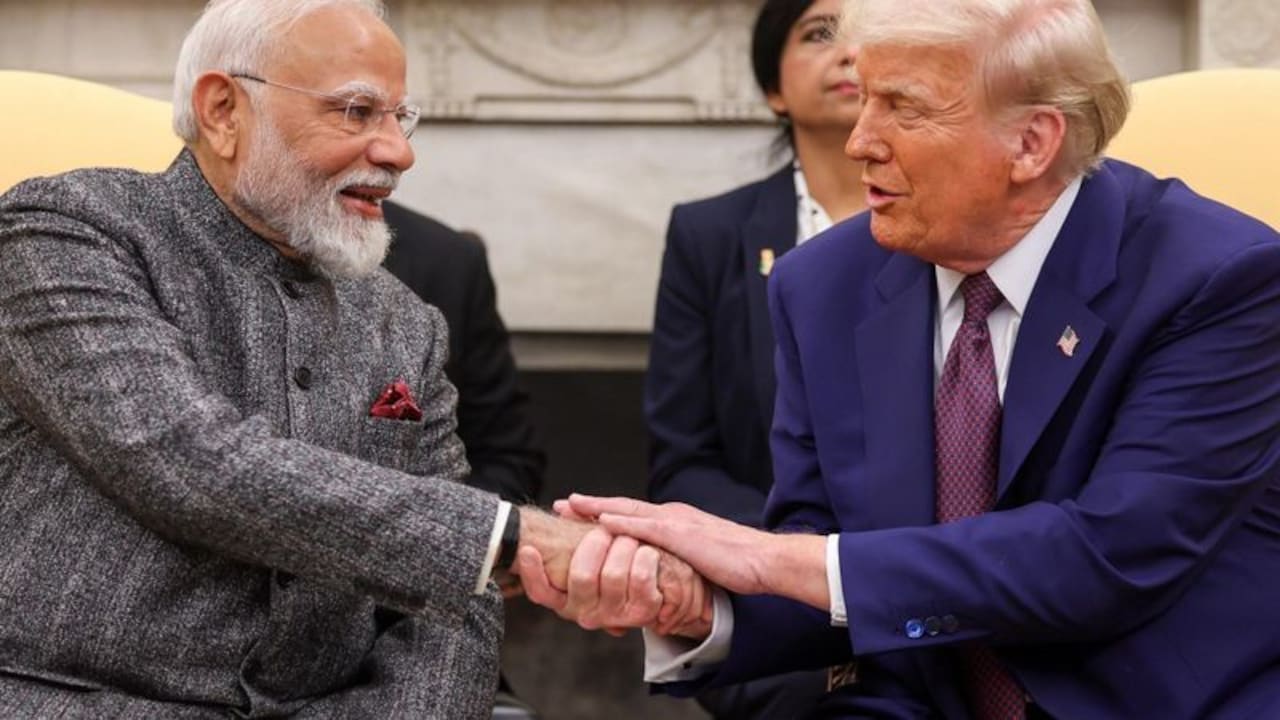
India will finalize its high-stakes Bilateral Trade Agreement (BTA) with the United States only when Washington guarantees tariff rates that objectively undercut competing export economies. Union Commerce and Industry Minister Piyush Goyal made this position clear during a recent national outreach workshop on free trade agreements, signaling that New Delhi refuses to sign any accord that leaves domestic manufacturers vulnerable to regional rivals like Vietnam and Bangladesh.
For months, the narrative surrounding the India-US trade framework has bounced between optimistic diplomatic readouts and sudden administrative roadblocks. Behind closed doors, the mechanics of international commerce are far less glamorous. Trade agreements are not built on shared goodwill; they are cold calculations of margin, volume, and supply chain survival.
The Real Battleground of Comparative Margins
Absolute tax numbers mean nothing in a vacuum. A tariff rate of fifteen percent is catastrophic if your primary competitor faces zero percent, yet it can be a winning hand if rival producers are paying twenty. This relative equation forms the baseline of New Delhi's current strategy.
For decades, Indian exporters watched competitors capture massive market share in Western economies simply due to structural advantages. Take the textile sector as a prime illustration. While Indian mills absorbed standard duties, rivals in neighboring nations leveraged preferential trade statuses or special trade preferences to ship goods at drastically lower costs.
"The absolute tariff number was immaterial and had to be considered in relation to the competition," Goyal noted during his address to industry stakeholders.
This historical friction explains why New Delhi is digging its heels in. The ongoing friction with Washington is not about petty protectionism. It is about ensuring that American import channels do not penalize Indian assembly lines while favoring alternative Asian hubs.
Navigating Washington’s Shifting Tariff Landscape
The bilateral talks have weathered considerable turbulence. Earlier frameworks established a blueprint for an interim pact, but alterations to Washington's domestic trade rules—including additional blanket duties introduced mid-year—forced both negotiating teams back to the drawing board.
When U.S. Trade Representative Jamieson Greer and Indian trade officials meet during upcoming diplomatic sessions in late September, the agenda will center entirely on closing this competitive gap. The text of the agreement is largely structured on paper, but the implementation clause remains locked behind the question of preferential rates.
Washington wants market access for technology, agriculture, and advanced manufactured goods. New Delhi wants guaranteed space for labor-intensive sectors like garments, engineering goods, and chemicals without being undercut by third-party nations whose cost structures are already fiercely competitive.
The Global Web of Competing Pacts
India is not putting all its eggs into the North American basket. New Delhi's broader commercial strategy relies on a dense network of active and upcoming free trade agreements spanning multiple continents. From finalized pacts with various economic blocs to upcoming frameworks with the European Union and regional partners, the overarching goal is to secure preferential access across roughly three-quarters of global trade value.
This diversification changes the leverage game. If Washington drags its feet or demands concessions that erode export margins, Indian trade planners have alternative corridors to prioritize. Commerce Ministry officials have openly reminded domestic micro, small, and medium enterprises (MSMEs) that foreign trade windows do not stay open forever. Competitors are constantly chasing their own bilateral arrangements, meaning today's strategic window can quickly close if industry players fail to scale up quality and output.
Domestic Pressures and Industry Sensitivities
Critics often accuse government handlers of moving too slowly, warning that hesitation risks missing lucrative export booms. Yet domestic political and economic realities impose strict guardrails. Sectors ranging from dairy and agriculture to automotive manufacturing carry immense employment weight. Opening these markets without adequate protective margins invites immediate domestic blowback.
Goyal has consistently maintained that core sensitivities have not been compromised in the proposed text. Farmers, fishers, and traditional craft workers remain shielded from sudden import shocks. Maintaining this protection while extracting concessions from the world's largest consumer market requires a delicate balancing act.
As delegations prepare for the upcoming ministerial talks in Milwaukee, the stance from South Block remains unwavering. The ink on the final BTA documents will dry only when the math works for Indian factories on the ground. Until Washington adjusts its tariff schedules to provide that decisive competitive edge, the arrangement stays paused in the waiting room of international diplomacy.