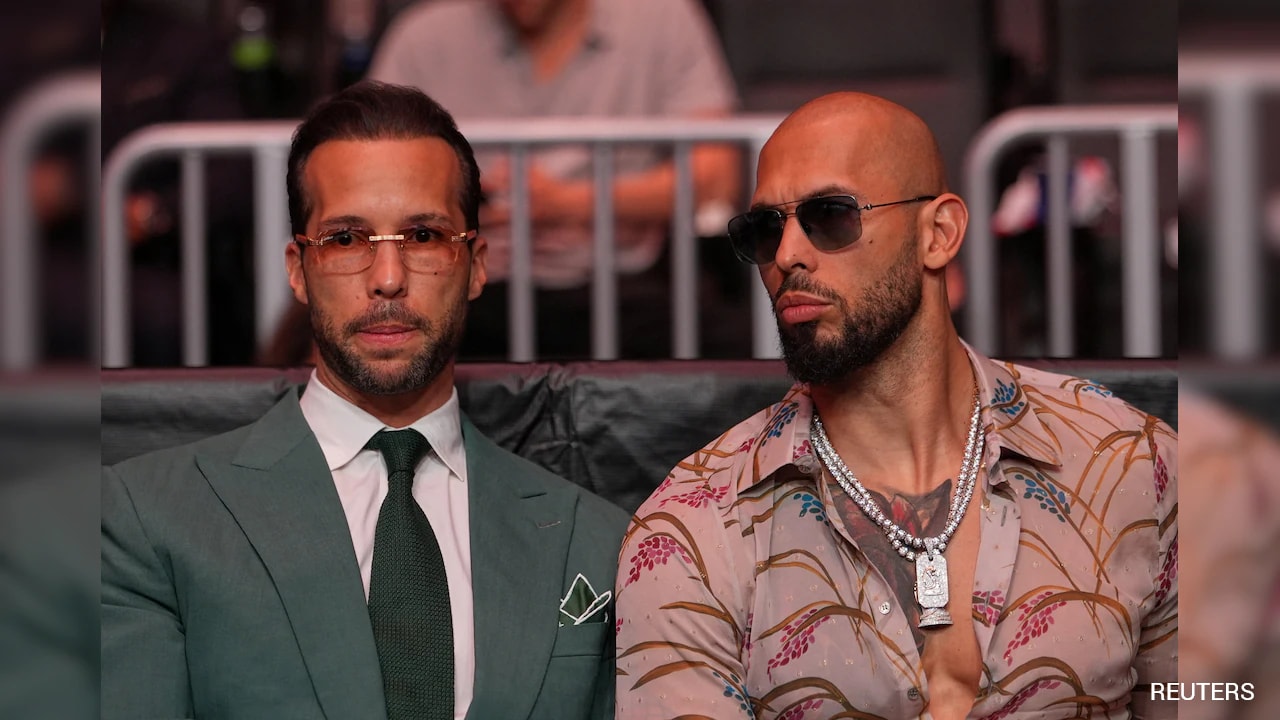
When the U.S. Marshals Service arrested Andrew and Tristan Tate in Miami on July 18, 2026, it brought a dramatic shift to an international legal struggle spanning nearly a decade. The arrest, executed on a sealed warrant issued at the request of the United Kingdom’s Crown Prosecution Service (CPS), marks the opening act of an extradition battle that crosses three nations, dozens of criminal counts, and the shadowy intersections of digital hype and alleged physical abuse.
For years, the brothers operated within a self-constructed fortress of hyper-masculine branding, luxury car fleets, and aggressive online monetisation. Yet behind the viral clips and grandstanding lies a sprawling dossier compiled by investigators in London and Bucharest. The new British indictment drastically expands the legal battlefield, bringing the total number of alleged victims in the U.K. to seven and introducing charges that range from rape and human trafficking to the possession of indecent images of a child and extreme pornography.
The Miami Arrest and the U.K. Extradition Web
The detention of the Tate brothers in South Florida was not a sudden impulse by American authorities, but rather the culmination of months of coordinated cross-border law enforcement strategy. After Romanian courts lifted travel restrictions in early 2025 while their preliminary proceedings dragged on in Bucharest, the brothers relocated to the United States. They positioned themselves within friendly political circles, betting that geographic distance and political connections would insulate them from European prosecution.
That calculation failed.
The U.K. Crown Prosecution Service acted on a fresh file of evidence delivered by Bedfordshire Police, unsealing 59 total counts against the siblings. Andrew Tate, 39, faces seven counts of rape, three counts of arranging or facilitating trafficking for sexual exploitation, three counts of assault occasioning actual bodily harm, and 19 counts related to extreme illicit materials. Tristan Tate, 38, faces separate charges including rape, sexual assault, and human trafficking.
Federal magistrates in Miami face a straightforward yet politically charged decision regarding extradition under the 2003 U.S.-U.K. Extradition Treaty. Under treaty terms, U.S. courts evaluate whether dual criminality exists—whether the actions alleged constitute serious felonies in both jurisdictions. Given that rape and human trafficking meet this threshold easily, the legal defenses available to the brothers inside an American courtroom remain narrow.
Defense attorney Joseph McBride has attempted to frame the extradition request as a political assault, publicly calling the U.K. charges malicious and asserting confidence that American officials will refuse to hand the brothers over. Historically, however, the U.S. State Department grants the overwhelming majority of British extradition requests once judicial criteria are met. The final sign-off falls directly upon Secretary of State Marco Rubio, placing the case in the direct eye of American foreign policy and domestic politics.
The Romanian Precedent and Jurisdictional Chaos
To understand how the Tate brothers ended up in federal detention in Florida, one must examine the legal morass they left behind in Eastern Europe. In December 2022, Romanian anti-organized crime agency DIICOT raided the brothers' compound in Voluntari, near Bucharest. Romanian prosecutors alleged that the brothers recruited women through the "loverboy method"—a manipulation technique involving fake romantic intentions to entice victims into commercial sex work and adult webcam operations.
The Romanian proceedings quickly became a masterclass in legal friction.
Months of pre-trial detention turned into house arrest, which eventually eased into territorial restrictions. Defense attorneys waged a relentless campaign of procedural appeals, successfully challenging evidence collection methods and forcing Romanian judges to strike certain witness statements from the preliminary case file.
"Criminal proceedings are active, and these defendants have the right to a fair trial. It is extremely important that there be no reporting, commentary, or sharing of information online which could in any way prejudice these proceedings." — Malcolm McHaffie, Head of Special Crime Division, CPS
The slow pace of the Romanian judiciary allowed the brothers to exploit legal loopholes. While Romanian judges had initially approved a conditional extradition to the U.K. that would execute only after the Romanian trial concluded, the softening of judicial control measures permitted the brothers to fly across the Atlantic. By leaving Romania before a trial date was locked in, the brothers triggered a secondary diplomatic tangle, forcing British authorities to issue international arrest orders to capture them on U.S. soil.
The Loverboy Business Model Under Scrutiny
Strip away the social media posturing, and the core of the criminal indictments across two continents centers on a specific financial engine. Investigators argue that the Tate enterprise was never just about online fitness courses or motivational speeches. It was built around the organized commercial exploitation of vulnerable women.
The financial model functioned through a clear pipeline:
- Targeted Grooming: Recruiting young women by offering lavish lifestyles, emotional dependency, and promises of security.
- Isolation: Moving targets to controlled environments in the U.K. or Romania, limiting their independent financial access.
- Monetisation: Coercing victims into webcam broadcasting and fan subscriptions, with the profits funneled into offshore accounts and cryptocurrency.
- Retention Through Intimidation: Utilizing legal threats, physical violence, and online harassment networks to ensure silence.
The U.K. High Court highlighted the threat of witness intimidation during pre-extradition hearings. Judge Justice Chamberlain denied the Tate defense team’s demands to learn the identities of their British accusers prior to extradition, explicitly citing the risk that the brothers' vast online base could be mobilized to harass, dox, or silence witnesses. The decision underscored a growing judicial recognition that digital influence can be weaponized to interfere with physical justice.
The Mechanics of Digital Radicalization and Monetization
The legal collapse of the Tate empire cannot be separated from the digital infrastructure that made them famous. Long before their arrests in Bucharest or Miami, the brothers built an audience by gaming algorithm structures across major video and social platforms. Through affiliate marketing networks like "Hustler's University," thousands of followers were paid commissions to slice long-form videos into inflammatory, short clips.
This created an artificial echo chamber. Algorithm engines rewarded high-engagement, controversial content, pushing videos promoting extreme misogyny and physical dominance directly into the feeds of adolescent boys. The financial return was immense, generating millions in monthly subscription fees that helped finance the very assets—exotic supercars, real estate, and private aviation—that prosecutors now seek to forfeit.
Yet that same digital footprint provided prosecutors with a goldmine of evidence. Voice notes leaked from encrypted chat channels, self-published interviews bragging about coercing women, and financial transaction records broadcasted live to audiences became key pieces of proof for investigators in London and Bucharest.
Comparative Breakdown of Legal Liabilities
To grasp the scale of the charges facing Andrew and Tristan Tate, the legal proceedings must be analyzed across the jurisdictions involved:
| Jurisdiction | Primary Charges | Current Status | Key Legal Risk |
|---|---|---|---|
| United States | Extradition Warrant Execution | Detained without bail in Miami | Formal extradition order to the U.K. |
| United Kingdom | 59 total counts including Rape, Trafficking, Indecent Images of a Child | Extradition requested; civil abuse cases active | Life imprisonment upon conviction |
| Romania | Human Trafficking, Organized Crime Group, Sexual Intercourse with Minor | Indicted; trial pending in Bucharest Tribunal | Assets seized; mandatory prison sentences |
Extradition Reality and the Limits of Political Protection
As the extradition hearing approaches in South Florida, the brothers' defense strategy rests heavily on delay tactics and political lobbying. By hiring high-profile legal counsel with ties to conservative politics in the U.S., the defense aims to transform a straightforward criminal extradition into a ideological referendum.
That strategy faces near-insurmountable legal precedent. Under international law, political defense claims require a fugitive to prove that requested charges are manufactured specifically for political persecution. Given that the charges stem from sworn testimonies of multiple private citizens alleging rape, bodily harm, and human trafficking dating back to 2010, convincing a federal judge or the State Department to override the treaty remains a nearly impossible hurdle.
The U.S. Marshals Service operates with a singular focus once federal warrants are unsealed. With bail rarely granted in international extradition cases involving high flight risks, Andrew and Tristan Tate face prolonged federal custody while their legal team exhausts every procedural challenge. The machinery of international justice moves slowly, but when multiple sovereign governments align their investigative files, the space for escape shrinks to zero.