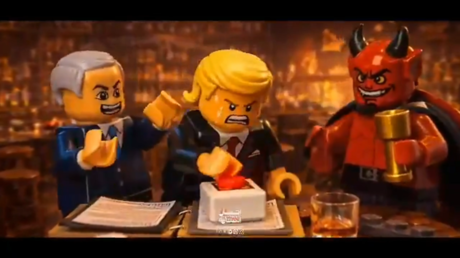
The sight of a Lego-style Donald Trump huddled with a cartoonish devil is meant to be absurd, yet the intent behind Iran’s latest digital offensive is anything but a joke. On Sunday, March 8, 2026, Iranian state-linked media began circulating a high-definition, brick-animation video titled "Narrative of Victory." It depicts a catastrophic sequence of events: a fictional American strike on a girls’ school in Minab followed by a relentless Iranian counter-attack that wipes out U.S. aircraft carriers, leveled Israeli infrastructure, and leaves Western leaders in a state of frantic, stumbling panic. While the medium suggests child’s play, the timing—hitting the web just days after a series of very real, very lethal U.S.-Israeli strikes on Iranian nuclear and missile sites—points to a desperate, sophisticated psychological operation.
This isn't just about making cartoons; it is about filling an information vacuum with a "big lie" that resonates across the Global South. By using the visual language of Lego and video games, Tehran is attempting to bypass traditional media gatekeepers and reach a younger, digital-native audience that views the world through the prism of memes and "wasted" screens. Learn more on a similar issue: this related article.
The Toy Soldiers of the IRGC
The Islamic Revolutionary Guard Corps (IRGC) has spent years refining what they call "Soft War" (Jange Narm). This latest Lego-style production is a direct response to a White House social media campaign that used Grand Theft Auto memes to celebrate the February 2026 strikes on Iranian soil. In that American video, real footage of explosions was overlaid with the "Wasted" graphic from the Rockstar Games hit. Tehran saw an opening to match the irreverence.
In the "Narrative of Victory" clip, the stakes are heightened through a narrative arc that moves from domestic American scandal to international bloodbath. The video starts with a caricature of Trump reading the Jeffrey Epstein files, suggesting that the war is merely a "wag the dog" distraction from Western moral decay. It then pivots to the "martyrdom" of schoolgirls, providing a moral justification for the subsequent animated carnage. This is not crude propaganda; it is a calculated attempt to frame the conflict as a struggle between a decadent, predatory empire and a righteous, technologically capable resistance. Additional reporting by Mashable highlights similar perspectives on the subject.
The Mechanics of Digital Deterrence
Why use plastic bricks to show the sinking of a multi-billion-dollar aircraft carrier?
- Deniability and Virality: Cartoons travel faster than dry press releases. They are shared as curiosities, memes, or "cringe" content, reaching millions who would never watch a speech by a general.
- Psychological Parity: When the U.S. military uses anime and video game aesthetics—as it did in its recent recruitment and PR blitz—it signals a high-tech, playful dominance. Iran’s use of similar aesthetics is a claim to cultural and technological parity. It says: "We can play your game, too."
- Low-Cost Escalation: Producing an animation costs a fraction of a missile test but achieves a similar result in the "cognitive domain." It projects power to a domestic audience and a defiant middle finger to the international community.
The Reality Under the Animation
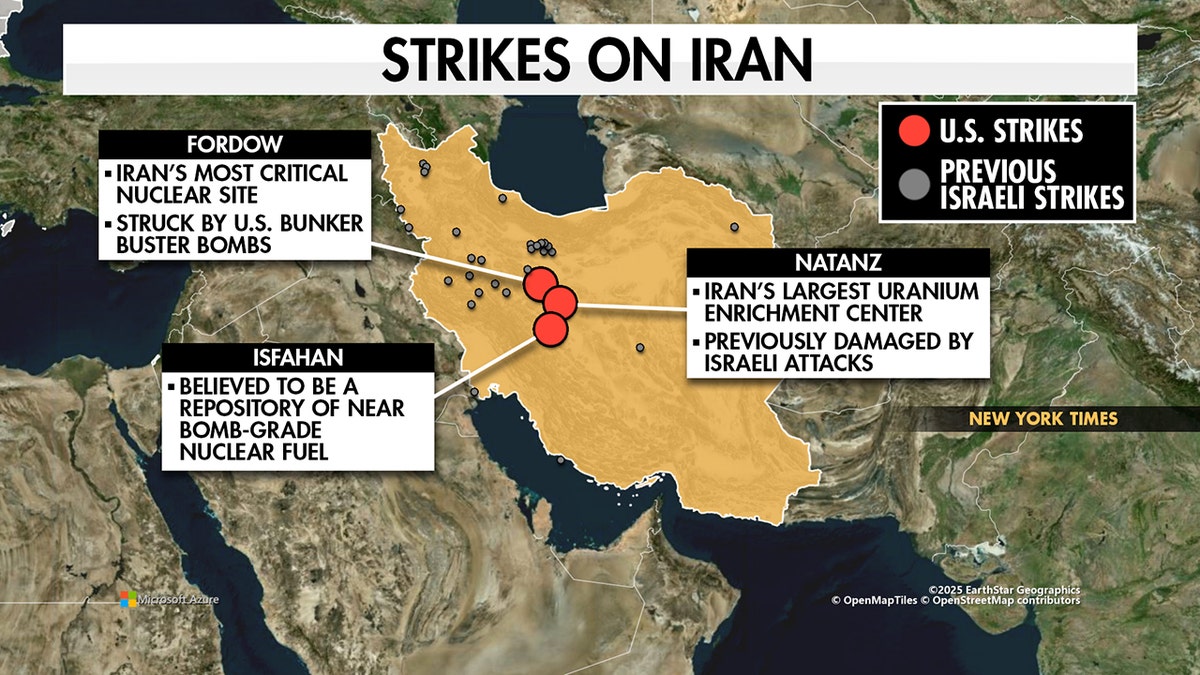
The absurdity of the Lego video masks a terrifying reality on the ground. The video was released in the wake of "Operation Epic Fury," a massive February 28 air campaign by the U.S. and Israel that reportedly killed Iran's Supreme Leader, Ali Khamenei. As the region teeters on the edge of total war, these digital assets serve as the only "victories" the IRGC can currently export to its supporters.
While the animation shows Iranian drones easily penetrating American defenses, the actual military situation is more complex. Recent reports indicate that the U.S. has successfully reverse-engineered the Iranian Shahed-136 "kamikaze" drone, deploying a domestic version called the "Lucas" drone to strike Iranian assets at a cost of only $35,000 per unit. The digital "toy war" is a necessary smokescreen for a kinetic war where Iran's conventional edges are being rapidly eroded by American industrial scaling.
The Weaponization of the "Big Lie"
Iranian propaganda has shifted from the old "Great Satan" rhetoric to a more nuanced, platform-specific disinformation strategy. The IRGC now commands an estimated 3,500 "cyber battalions." Their goal is not necessarily to make you believe the Lego video is real, but to make the truth feel equally fictional. By blending real grievances—like the civilian toll of strikes—with outlandish conspiratorial plots involving Epstein or demonic possession, they create a slurry of information where the average observer simply gives up on finding the facts.
This tactic is particularly effective in the Middle East, where trust in Western media is at an all-time low. When an Iranian news anchor in a Lego video delivers a fiery speech about the "end of the Zionist entity," it isn't meant for the Pentagon. It is meant for the street in Beirut, Baghdad, and Sana'a. It is a rallying cry in a language that requires no translation.
The Cognitive Battlefield
We are witnessing the final breakdown of the barrier between entertainment and warfare. The White House’s use of Grand Theft Auto aesthetics and Iran’s use of Lego are two sides of the same coin: the "gamification" of death. In this environment, the side that tells the most compelling story wins, regardless of who holds the most territory.
The "Narrative of Victory" video ends with a shot of an American flag-draped coffin being unloaded from a plane. It is a somber, jarring end to an otherwise cartoonish experience. This is the ultimate "takeaway" Tehran wants to leave with the viewer: that behind the plastic bricks and the bright colors, the consequences for the West will be real, physical, and permanent.
The real danger isn't that we might laugh at the Lego Trump; it's that we might fail to see the very real desperation of a regime that, having lost its leadership and much of its hardware, has nothing left to fire but its imagination.