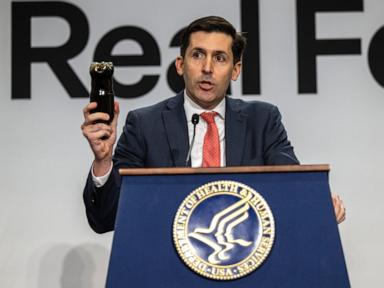
Calley Means resigned as a senior adviser to Health Secretary Robert F. Kennedy Jr. on October 22, 2026, just days before the midterm elections. His exit marked a sharp rupture inside the Make America Healthy Again movement after key food and regulatory priorities stalled inside the West Wing.
At first glance, Means sounded measured. His public departure note praised President Donald Trump and Kennedy, claiming the movement was only in the first inning. Yet food stocks jumped on the news of his exit, and within weeks Means went from polite departure to open warfare with senior White House aides over lobbying money, delayed food rules, and campaign fundraising.
A routine wire story treats Means's exit as a single staff departure. Look closer at the machinery of Washington health policy, and a harder truth appears. Reformers who campaign against corporate capture often discover that winning a cabinet seat does not mean controlling the levers that govern food additives, school meals, or agency enforcement.
Why Stalled Food Rules Triggered the Walkout
Promises to rewrite America's food environment fueled much of MAHA's early energy. Inside HHS and the White House, those ambitions ran straight into bureaucratic friction and competing political priorities.
Two flashpoints stood out before Means stepped down. Advocates wanted a formal federal definition of ultra-processed foods, viewing that label as the foundation for tighter oversight of sweeteners and chemical additives. A meeting between Kennedy and White House officials on defining ultra-processed foods was postponed, stalling a core pillar of the agenda.
School nutrition ran into a similar wall. Efforts to tighten a school lunch rule limiting unhealthy ingredients faced repeated delays attributed to industry concerns. Means also helped drive a summer proposal aimed at greater transparency around food ingredients, yet the broader regulatory push lost momentum right as midterm campaigning intensified.
Wall Street read the delay immediately. Food stocks rallied after news of Means's resignation broke, signaling that investors saw less near-term regulatory risk for packaged-food makers. Means fired back online, arguing that mothers would not accept children being harmed so companies like General Mills could gain on stock charts.
A health movement built on challenging food and drug giants collides with campaign economics the moment party leaders need cash for upcoming elections.
That tension is not unique to one administration or one faction. Whenever an activist wing enters government with a mandate to confront established industries, regulatory inertia becomes the quiet weapon of delay. Meetings get rescheduled, interagency reviews stretch for months, and election-year fundraising takes oxygen away from rulemaking that might alienate donors.
How Post-Exit Accusations Exposed West Wing Fault Lines
Means did not stay quiet for long after leaving his post. In television appearances in early November 2026, following the midterm elections and a major shakeup at the top of the White House, he leveled blistering accusations against senior political operatives.
He accused former White House Chief of Staff Susie Wiles and political strategist James Blair of shelving health policies to protect sugar, vaping, and pesticide interests. Means claimed Wiles repeatedly told him the White House needed campaign money for the midterms, and he pointed to lobbying ties involving Wiles's daughter, Katie Wiles, as well as foreign travel and consulting work tied to Blair, Chris LaCivita, and pollster Tony Fabrizio.
Those claims triggered fierce pushback and denials. Blair rejected the accusations, called Means a liar on social media, and threatened to sue. Fabrizio dismissed the suggestion that he was in Big Pharma's pocket as false, noting he had urged Republican lawmakers to campaign on most-favored-nation drug pricing that would hurt pharmaceutical profits. Wiles denied advance knowledge of Blair's trip to Republika Srpska and maintained that Trump had done more for MAHA than any president before him, while the White House stated it never allowed outside groups to dictate policy.
Consider a hypothetical example to see how policy stalls in practice. Suppose a health adviser drafts a strict limit on a widely used food additive, and a political strategist warns that attacking that sector could cost millions in late-cycle donations in a swing state. Even without a formal quid pro quo, the draft sits in review until after Election Day. In Washington, timing is policy.
Kennedy sought to keep the coalition together after the blowup. He posted that he stood firmly behind Trump, insisting they would keep fighting so voters rather than corporate influence shaped health policy. Meanwhile, new White House Chief of Staff Stephen Miller, who succeeded Wiles in November 2026, ordered staff to get advance approval from White House lawyers before meeting with registered lobbyists on policy.
What Stalled Promises Mean for MAHA and Public Health
Resignations rarely kill an idea overnight, yet they strip away inside leverage. Without a vocal insider pushing food definitions and school meal limits from inside the administration, MAHA faces a harder test turning slogans into binding rules.
At the same time, critics across the political spectrum argue the movement's reach and record remain contested. Opponents pointed to midterm losses on healthcare affordability and warned of public health risks, including declining confidence in institutions and concerns over measles and vaccine policy. Even inside HHS, tensions have surfaced over issues such as widening access to unproven peptides and navigating FDA and mRNA vaccine disputes.
| Friction Point | MAHA Reform Goal | Main Obstacle or Counterargument |
|---|---|---|
| Ultra-processed foods | Establish a federal definition to support future additive and sweetener limits | High-level meetings postponed; industry pushback and competing priorities |
| School lunch standards | Restrict unhealthy ingredients in school meals | Repeated delays tied to industry concerns and political timing |
| Campaign vs. policy | Cut corporate and lobbyist sway over health decisions | Midterm fundraising pressures; accused aides deny improper influence |
| Broader health agenda | Shift focus toward chronic disease prevention and transparency | Critics highlight affordability losses, vaccine clashes, and agency strain |
There is a gray area worth stating plainly. A movement can win cultural attention and still struggle to move complex federal rules through agencies that answer to statutory standards, court challenges, and broader White House strategy. Conversely, critics who declare MAHA finished whenever a key adviser quits often underestimate how sticky cultural narratives around food and health can be.
Three Concrete Signs to Watch Next
Tracking whether MAHA recovers momentum after Calley Means's exit requires watching tangible actions rather than cable-news sparring:
- Rulemaking calendars: Watch whether the postponed discussion on defining ultra-processed foods and the delayed school lunch rule actually move onto a formal federal docket.
- Lobbyist compliance: Check whether Stephen Miller's requirement for White House counsel approval before lobbyist policy meetings curbs industry access or simply adds paperwork.
- Congressional pressure: Follow how incoming lawmakers and committees use oversight, hearings, or funding fights to scrutinize HHS decisions and Kennedy's leadership.
Real reform in Washington is measured in published rules, enforcement budgets, and statutory change—not press releases—and the gap between rhetoric and regulation is where movements are truly tested.